The Times Kuwait Report
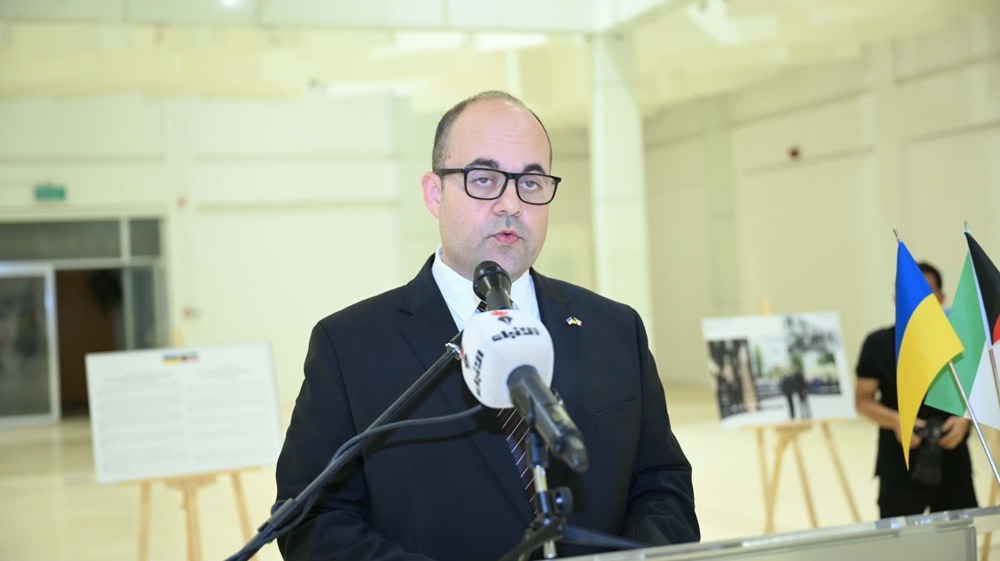
Kuwait has played a significant role in supporting Muslim communities and preserving Islamic heritage in Crimea, Ukrainian Ambassador to Kuwait H.E. Dr Maksym Subh said, as an exhibition showcasing the history of Islam in Ukraine unfolded the deep cultural and humanitarian links between the two countries.
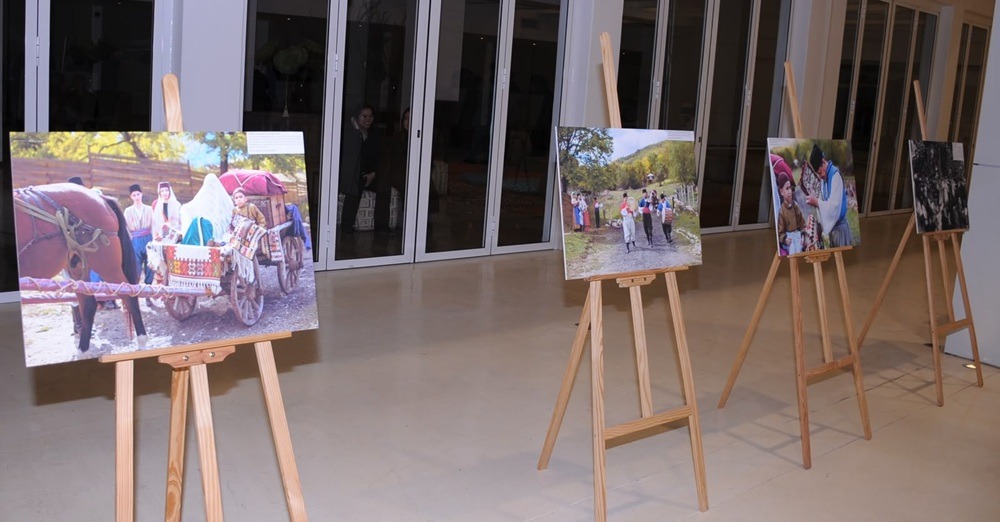
Hosted at the Yarmouk Cultural Centre by Dar al-Athar al-Islamiyyah, the exhibition, titled Islamic Heritage of Ukraine, offered visitors a glimpse into the country’s centuries-old religious and cultural history through photographs of historic and contemporary mosques, Islamic traditions and the rich heritage of the Crimean Tatar community.
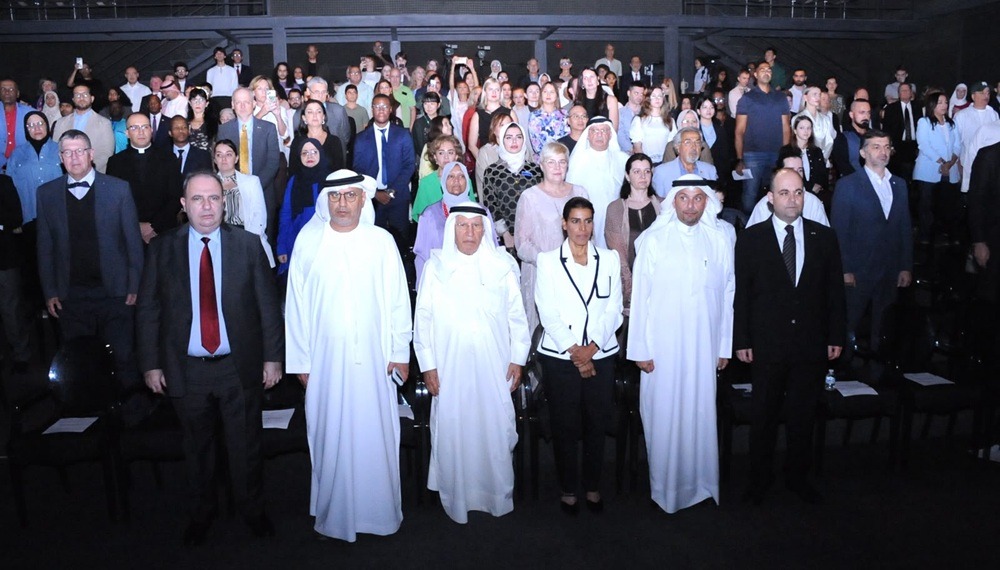
The event was followed by a piano recital by Ukrainian pianist Dr Denys Bodnar. The cultural evening coincided with the 35th anniversary of Ukraine’s independence and the 33rd anniversary of diplomatic relations between Kuwait and Ukraine.
Kuwait’s role in preserving Islamic heritage
In his opening address, Ambassador Subh praised the Kuwaiti charity organisations for supporting mosques and Muslim communities in Crimea, citing several initiatives that helped preserve religious heritage and expand facilities for worship and education.
He said the Kuwaiti charity organisations contributed to the restoration of the historic Al-Iman Mosque in 2013. In the same year, Kuwait’s Zakat House supported the construction of a mosque in Krasnoselsky village, serving around 100 Muslim families and providing facilities for children’s education.
The ambassador also highlighted support provided in 2012 by the Sanabel charity committee and the Kuwait Rahma Organisation for the construction of Al-Sanabel Mosque in Viriaseiv village.
Cooperation also extended, he said, to religious education and dialogue. In March 2012, 20 imams and representatives of Ukrainian society took part in a programme at Kuwait’s International Centre for Moderation, focusing on moderation, dialogue and peaceful coexistence.
Subh also recalled a visit to Kyiv and Crimea in November of that year by Dr Adel Abdullah Al-Fallah, then undersecretary of the Ministry of Awqaf and Islamic Affairs. During the visit, Al-Fallah met representatives of Islamic organisations and Crimean Tatar leaders Mustafa Dzhemilev and Refat Chubarov.
Islam’s deep roots in Ukraine
The ambassador stressed that Islam is not a recent presence in Ukraine but an integral part of the country’s cultural and spiritual heritage, with deep historical roots in Crimea and among the Crimean Tatars.
The exhibition brought together archival material and contemporary photographs documenting the development of Islam in Ukraine. It also showcased mosques, customs, traditions, architecture and aspects of Islamic culture and cuisine, offering visitors a broader understanding of the community’s contribution to the country’s history.
According to estimates cited by Subh, Ukraine has between 500,000 and 600,000 Muslims, including approximately 300,000 Crimean Tatars. He said Islam was the country’s second-largest religion after Christianity.
The ambassador also recalled the difficult chapters in Crimean Tatar history, particularly the forced deportation of the community in May 1944, followed by years of exile and restrictions on return. He highlighted further challenges following the occupation and attempted annexation of Crimea in 2014, including concerns over religious freedoms and pressures facing minority communities.
Ornek: Preserving Crimean Tatar identity
Ambassador Subh noted that Islamic heritage extends beyond mosques and historic monuments to encompass a living culture passed from one generation to the next through language, customs, crafts and traditional arts.
Among the examples he cited was Ornek, the traditional ornamental art of the Crimean Tatars, which is inscribed on UNESCO’s Representative List of the Intangible Cultural Heritage of Humanity. The art form reflects the community’s identity and illustrates how cultural traditions help sustain a people’s collective memory.
He reaffirmed Ukraine’s support for the right of Muslims to practise their faith and preserve their traditions, adding that Ukrainian Muslims were also serving in the country’s armed forces in its defence.
The ambassador thanked Dar Al-Athar Al-Islamiyyah, the National Council for Culture, Arts and Letters, the management of Yarmouk Cultural Centre, Sheikha Hussa Al-Sabah and all those involved in organising the event
He said the exhibition demonstrated how cultural exchange can strengthen friendship, deepen mutual understanding and bring the people of Kuwait and Ukraine closer together.
By bringing historical photographs, religious landmarks and traditional arts into focus, the exhibition highlighted the importance of preserving Islamic heritage not only as a record of the past, but also as a living part of Ukraine’s cultural identity.