Iran has warned that it will respond more forcefully to further US attacks, as renewed hostilities between the two countries continue to escalate across the region.
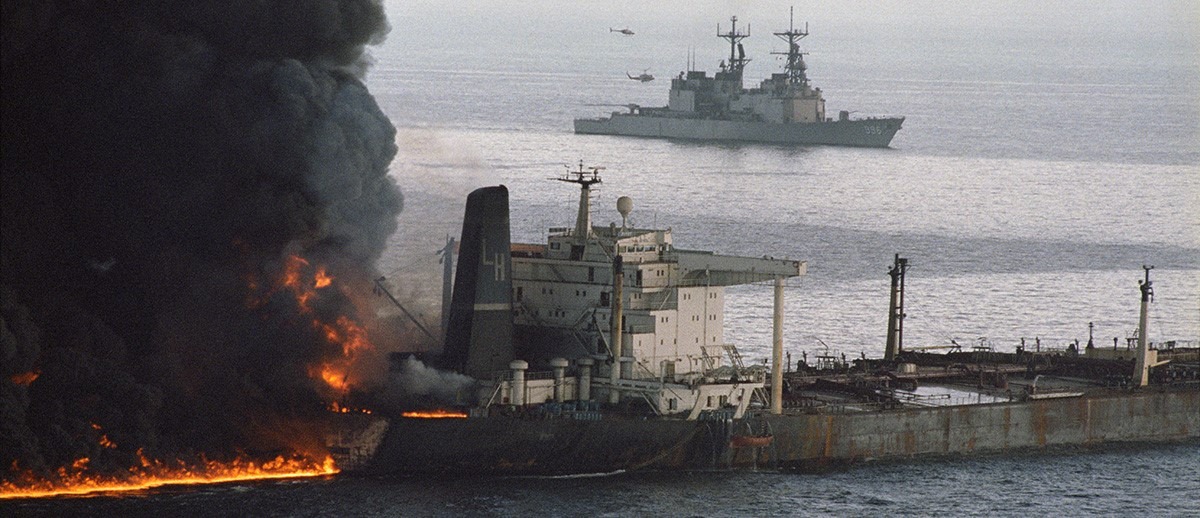
Iranian Parliament Speaker Mohammad Bagher Ghalibaf warned that Iran’s response to further attacks would be “faster, heavier and more painful,” signaling a tougher position from Tehran as fighting enters its second week, saying rules of the game have changed. His remarks came a day after Washington said it had struck Iranian oil tankers, describing the action as a response to Iranian attacks on US warships in regional waters. The BBC said it had contacted US Central Command for comment.
Iranian state media also reported that the Iranian Navy had attacked a US remote-controlled vessel attempting to enter the Strait of Hormuz. The US military rejected the claim, with a Central Command spokesman describing the report as false, according to the Associated Press.
US Defense Secretary Pete Hegseth has also issued a warning to Tehran. In a social media post, he said that if Iran attacks US ships, American forces would target Iranian oil tankers. The latest escalation follows the expiration last month of a 60-day ceasefire between Washington and Tehran. A period of relative calm was subsequently broken when the United States resumed military strikes last Sunday.
Since then, the two sides have exchanged attacks, with the United States striking targets in Iran and Tehran retaliating against US-linked targets in the region, including locations in the United Arab Emirates, Bahrain, Kuwait and Jordan. US President Donald Trump has said the renewed fighting would not continue “too long,” repeating assurances made by him and members of his administration since the conflict began.
However, months of negotiations between Washington and Tehran have failed to produce a lasting settlement, while the latest escalation has further complicated prospects for renewed diplomacy. The Strait of Hormuz remains a central point of tension. The strategically important waterway, through which a significant share of global oil and gas supplies passes, has effectively been closed since the conflict began and has become an important source of leverage for Iran.
Tehran has maintained that it will retain some degree of control over the waterway, while Trump has declared the strait “open.” The US military has also been assisting vessels using a southern route. The disruption around the strait has contributed to higher global energy prices and increased domestic pressure on the Trump administration over the economic cost of the conflict ahead of the US midterm elections in November.
US Energy Secretary Chris Wright said on Sunday that about 9 million barrels of oil a day were passing through the strait. He said that, together with oil transported through regional pipelines, flows were likely at “two-thirds or more” of pre-conflict levels.