Tensions between the United States and Iran intensified on Wednesday as both sides raised the stakes in a widening confrontation centered on the Strait of Hormuz, regional shipping routes and energy exports.
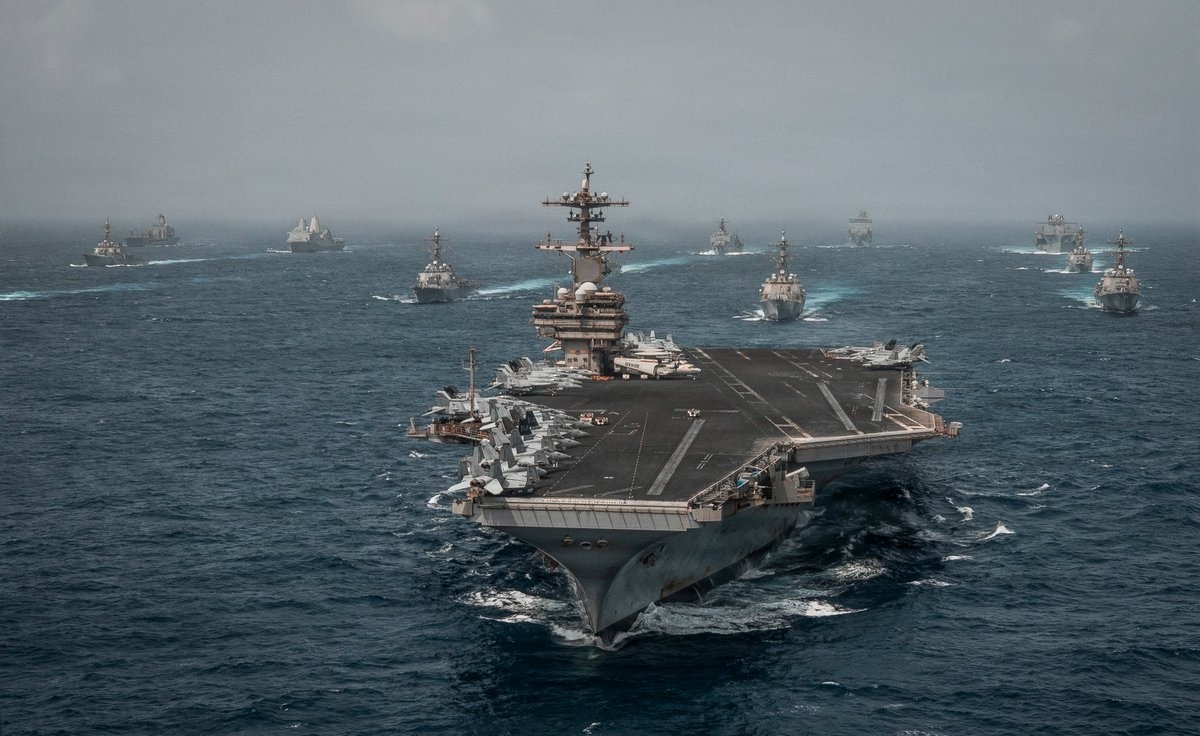
U.S. President Donald Trump warned Tehran that it could face further military action if it does not return to negotiations, saying future strikes could target critical infrastructure, including power plants and bridges.
In an interview with Fox News, Trump said Washington would continue applying pressure on Iran and urged Tehran to reach an agreement, warning that the coming week could bring tougher measures if talks fail.
Addressing the possibility of a ground operation, Trump said he did not want a land campaign but suggested that “other parties” could carry out such an operation if necessary, without identifying those parties.
U.S. officials said the main objective of the current military campaign is to restore freedom of navigation through the Strait of Hormuz, a key global energy corridor, and pressure Tehran back into negotiations over its nuclear program.
Officials said Washington is seeking to avoid a full-scale war, while relying on economic pressure and the impact of reduced oil exports to influence Iran’s decision-making.
Analysts noted that even limited threats to shipping could affect global markets by increasing insurance costs and creating uncertainty for commercial operators.
In response, Tehran said it was no longer committed to previous arrangements after Washington reinstated a naval blockade targeting Iranian ports.
Iran’s Revolutionary Guard warned that if Iranian energy exports were blocked, other regional energy routes could also face disruption, saying exports from the region would either continue for everyone or be stopped for all.
Iran also warned that the Strait of Hormuz would remain closed until the United States ends what it described as hostile actions.
Analysts said Tehran could potentially use its allies, including Yemen’s Houthi movement, to threaten the Bab al-Mandab Strait, another major maritime passage linking the Red Sea and the Gulf of Aden.
A closure or disruption of either waterway could have serious implications for global trade and energy supplies.
Despite the military escalation, diplomatic contacts continued. Iranian Foreign Minister Abbas Araqchi traveled to Qatar to offer condolences over the death of former Qatari leader Sheikh Hamad bin Khalifa Al Thani and hold talks with Qatari officials, according to Iran’s Foreign Ministry.
The latest developments have heightened fears of a broader regional conflict, with Gulf countries and international markets closely monitoring the impact on security, shipping and energy supplies.