Protein, Carbohydrates & Fat: What Does Your Body Actually Need?
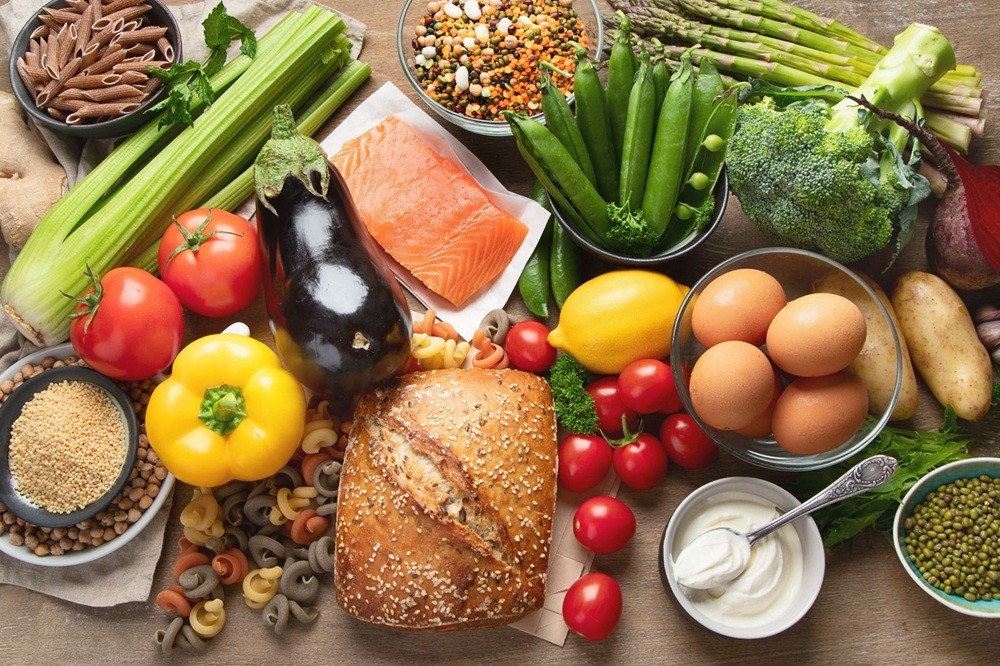
Nutrition advice can sometimes make macronutrients sound like they are competing against one another: protein is “good,” carbohydrates are “bad,” and fat should be avoided. But human nutrition is far more complex than that.
Protein, carbohydrates, and fat each perform different physiological functions, and all three can have an important place in a healthy diet.
Protein: More than just muscle
Protein is made up of amino acids, which the body uses to build and repair tissues. It is essential for maintaining skeletal muscle, producing enzymes and hormones, supporting immune function, and forming numerous structural components throughout the body.
Protein is also particularly important during weight loss. When calorie intake is reduced, adequate protein can help support the preservation of lean muscle mass, especially when combined with resistance exercise.
Good sources include fish, poultry, eggs, lean meat, dairy products, legumes, soy, nuts, and seeds. The quality of your overall diet matters, so does their distribution.
Carbohydrates: Your body’s preferred fuel
Carbohydrates are often the first nutrient people remove when trying to lose weight. Yet carbohydrates are not fattening. They are broken down primarily into glucose, which can be used to provide energy for the brain, muscles, and other tissues.
Glucose can also be stored as glycogen in the liver and muscles, providing a readily available energy reserve, particularly during physical activity.
The important issue is carbohydrate quality.
There is a significant nutritional difference between carbohydrates coming from vegetables, fruits, legumes, oats, whole grains, and potatoes and those coming primarily from highly refined foods and added sugars.
Fiber also supports digestive health, contributes to satiety, and can help moderate the rise in blood glucose after a meal.
So, rather than thinking of carbohydrates as something to fear, think about their sources.
Fat: An essential nutrient, not the enemy
Fat contains more calories per gram than protein or carbohydrates, but that does not make it unnecessary.
Dietary fat is essential for cell membranes, brain function, hormone production, and the absorption of the fat-soluble vitamins A, D, E, and K. Certain fatty acids are also essential because the body cannot produce them in sufficient amounts and they must come from the diet.
The type of fat matters. Unsaturated fats, particularly those found in olive oil, avocado, nuts, seeds, and fatty fish, are generally considered beneficial components of a heart-healthy eating pattern. Saturated fats can be included in moderation, while trans fats are best to be avoided.
The goal is not to eliminate fat, but to pay attention to both quantity and quality.
So, how should a balanced meal look?
A practical approach is to build meals around a quality protein source, a nutrient-rich carbohydrate source and an appropriate amount of healthy fat.
For example, grilled chicken with roasted sweet potato, a large vegetable salad, and olive oil provides all three macronutrients while also supplying fiber, vitamins and minerals.
The healthiest approach is choosing nutritious sources, eating appropriate portions, and creating a pattern of eating that your body can sustain over time.
Good nutrition isn’t about asking, “What can I remove from my diet?”
It is about asking, “What can I give my body that it actually needs?”
To subscribe to my diet programs,
don’t forget to log in to:
www.eatlikemira.com.