Mandatory premarital courses permissible under Sharia, says Kuwait academic
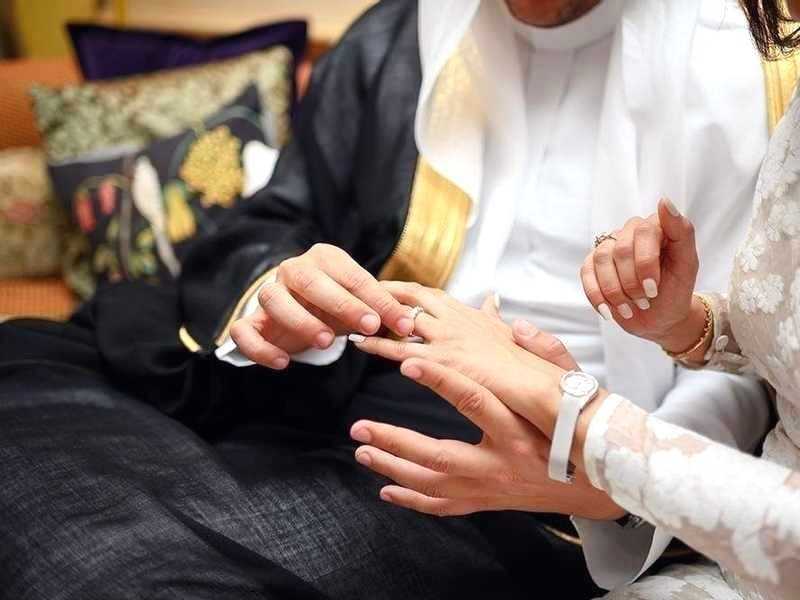
- 7,865 divorces in Kuwait in 2023 highlight need for marriage preparation; premarital training can strengthen families and curb divorce
- Referring to international examples, Al-Kharraz highlighted Malaysia, where premarital courses are mandatory for Muslims. According to data cited in the study, the divorce rate declined from 32 percent to 8 percent. He also referred to similar experiences in Saudi Arabia, the UAE and Qatar.
Making premarital qualifying courses compulsory for couples before completing their marriage contract is permissible under Islamic Sharia and can help strengthen family stability and reduce divorce rates, according to Dr Abdulrahman Ibrahim Al-Kharraz, Associate Professor of Comparative Jurisprudence and Islamic Studies at the Kuwait International Law School.
Speaking to Al-Rai, Al-Kharraz said the proposal is supported by principles of Islamic jurisprudential, particularly the promotion of public welfare and the objectives of Sharia in protecting the family and offspring.
He stressed that the requirement should serve as a preventive measure rather than create unnecessary obstacles or delays for couples wishing to marry.

The issue was examined in an applied jurisprudential study titled “The ruling on requiring a qualifying course for those about to get married: The State of Kuwait as a Model,” prepared jointly by Al-Kharraz and Dr Abdul Rahman Al-Baloul.
The study concluded that making such courses a prerequisite for marriage is permissible when it serves the public interest and does not obstruct or delay marriage.
Official Ministry of Justice statistics underline the need for greater family awareness. Kuwait recorded 7,865 divorces against 13,303 marriages in 2023. Of the divorces, 35.8 percent occurred within the first five years of marriage, while approximately one-fifth took place during the first year.
Al-Kharraz identified several factors contributing to marital breakdown, including lack of acceptance and affection, weak communication, incompatibility, leniency in resorting to divorce, family interference and the influence of social media.
He also pointed to insufficient awareness of the religious and legal provisions governing marriage, including partner selection, engagement, marital rights and responsibilities, maintenance, housing, divorce and child custody.
He proposed that the qualifying programme cover religious, legal and social aspects of married life, alongside practical skills in communication, conflict management and emotional control. The courses should be conducted by specialists under the supervision of the Ministry of Justice, offered free of charge and made available throughout the year to ensure they do not become a barrier to marriage.
On the religious and legal basis for the proposal, Al-Kharraz explained that the requirement falls under the concept of unrestricted public interests and supports the Sharia objective of preserving lineage. He added that conditions are generally permissible as long as they do not contradict the requirements of a marriage contract or established legal rulings.
He also cited Fatwa No. 287H/2024 issued by the Fatwa Authority at the Ministry of Awqaf and Islamic Affairs, which approved premarital training courses as a preliminary requirement if the competent state authorities determine that they serve an overriding public interest.
Malaysia’s experience
Referring to international examples, Al-Kharraz highlighted Malaysia, where premarital courses are mandatory for Muslims. According to data cited in the study, the divorce rate declined from 32 percent to 8 percent. He also referred to similar experiences in Saudi Arabia, the UAE and Qatar.
Al-Kharraz said making premarital education mandatory would represent a shift from dealing with the consequences of divorce to preventing its causes. The objective, he stressed, is not to complicate marriage procedures but to ensure couples enter married life with a clear understanding of their mutual rights and responsibilities, ultimately protecting the Kuwaiti family and strengthening its stability.