Kuwait’s tourism potential extends beyond the desert, coastlines, islands

- World Tourism Day, observed on September 27 of each year, provides an opportunity to look at Kuwait’s tourism potential beyond conventional attractions, with its deserts, coastlines, islands, wildlife and geological heritage offering possibilities for nature-based and educational tourism — provided environmental protection remains central to their development.
Kuwait’s natural landscape extends beyond its familiar desert image, encompassing coastlines, islands, mudflats, salt flats and coral reefs that offer a range of possibilities for ecotourism and sustainable tourism development. From birdwatching and nature reserves to marine and island tourism, desert and coastal exploration and geological tourism, the country’s varied environments provide opportunities for visitors to experience Kuwait’s natural heritage while learning about its environmental and cultural value.
Ecotourism focuses on responsible enjoyment of natural areas, with an emphasis on protecting ecosystems and biodiversity, limiting the impact of visits and increasing public awareness of the importance of natural resources. The potential has been highlighted in conjunction with World Tourism Day, observed annually on September 27. The day, established by the United Nations World Tourism Organization, aims to raise awareness of tourism’s social, cultural and economic importance worldwide.
Speaking to the Kuwait News Agency (KUNA), Secretary-General of the Kuwait Society for Environmental Protection Jenan Behzad said Kuwait’s environment contains significant natural diversity that could provide a basis for developing ecotourism while bringing together recreation, environmental education and the preservation of the country’s natural heritage.

She identified Kuwait’s nature reserves as among the key components of ecotourism, highlighting Al-Jahra Reserve as a model that provides a habitat for resident and migratory birds and supports biodiversity through its ponds, vegetation and coastal environments. According to Behzad, Al-Jahra Reserve has recorded at least 250 bird species, giving it particular value for birdwatching, environmental photography and educational programmes. The Environment Public Authority has opened the reserve to visitors through organised visits and advance booking, allowing people to observe wildlife under controls intended to protect the site.
Islands and marine environment
Bubiyan Island and Mubarak Al-Kabeer Reserve provide another dimension to Kuwait’s ecotourism potential. The reserve is listed as a Ramsar Wetland of International Importance and covers 50,948 hectares, incorporating salt flats, shallow lakes, mudflats and water channels.
Behzad said Bubiyan is globally important for migratory birds and serves as a breeding area, while its marine and coastal environments support fish, shrimp and other marine organisms. She stressed that any future tourism activities in the area would need to be based on environmental protection, regulated visits and clearly defined areas that do not harm the ecosystem.
Kuwait’s islands and marine environment also form an important part of the country’s natural capital. Organised marine activities, wildlife and bird monitoring, coral reefs and coastal environments could offer visitors alternatives to traditional recreational tourism. Failaka Island provides an example of how different tourism elements can be brought together. Its coastal environment exists alongside historical, archaeological and heritage sites, creating opportunities for tourism routes combining environmental, cultural and geological experiences.
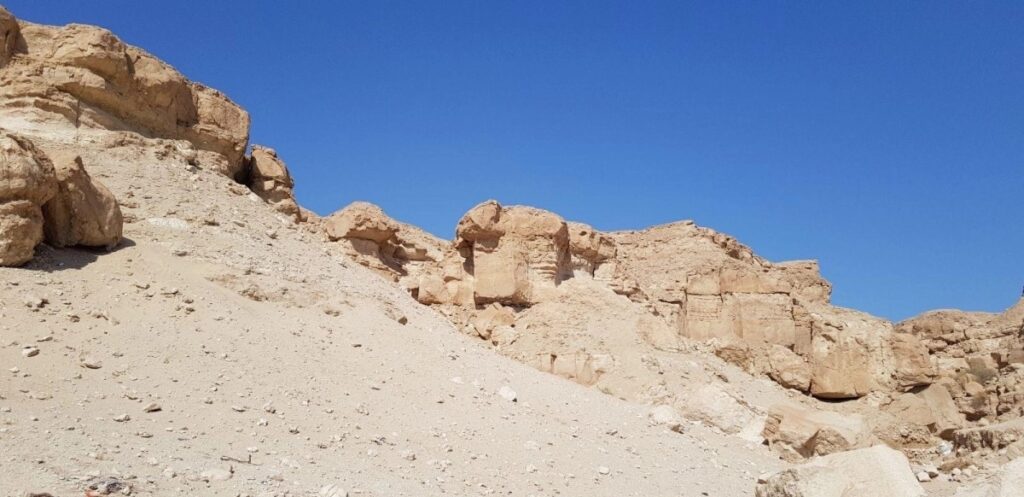
Kuwait’s geological tourism potential
Geological tourism is another area identified as part of Kuwait’s ecotourism potential. Behzad said she published the first peer-reviewed scientific study documenting geological sites of tourism importance in the journal GeoHeritage. The study identified 14 natural and geological sites, including Jal Al-Zour, Failaka, Al-Khiran, Wadi Al-Batin and Anjafa Beach, along with a number of Kuwaiti islands.
According to Behzad, the study showed that Kuwait possesses geological and natural diversity that can be used for both educational and tourism purposes. Jal Al-Zour provides an open record of geological layers and formations, while the Khiran Heights offer evidence of ancient coastal changes. Anjafa Beach, meanwhile, provides an accessible opportunity to observe sedimentary structures and fossils within an urban setting.
She said these natural locations could also be connected with schools, universities and scientific programmes, allowing visits to combine education with recreation. Environmental organisations, civil society groups and the private sector could participate in developing related programmes and services.
A potential national ecotourism map
Behzad also pointed to the possibility of developing a national ecotourism map connecting Kuwait’s reserves, islands, coastlines, deserts and geological sites through different tourism routes. Such a map could identify the activities permitted at each location according to its environmental sensitivity and capacity to receive visitors. Proposed routes could include birdwatching, geological heritage, marine and island exploration, as well as educational desert and coastal excursions.
Digital technologies, interactive maps and applications could also be incorporated to introduce visitors to individual sites and explain their natural features and history. Behzad stressed that ecotourism should not be measured simply by visitor numbers or the construction of facilities. Rather, she said, its value lies in helping people understand Kuwait’s natural environment, encouraging greater awareness and responsibility towards it and presenting these resources to visitors in a responsible manner.
She noted that Kuwait contains locations that offer a different perspective of the country by bringing together the desert, sea, islands, birds, biodiversity and the geological history of the land. The development of geological tourism is also being supported through the Kuwait Geopark project.
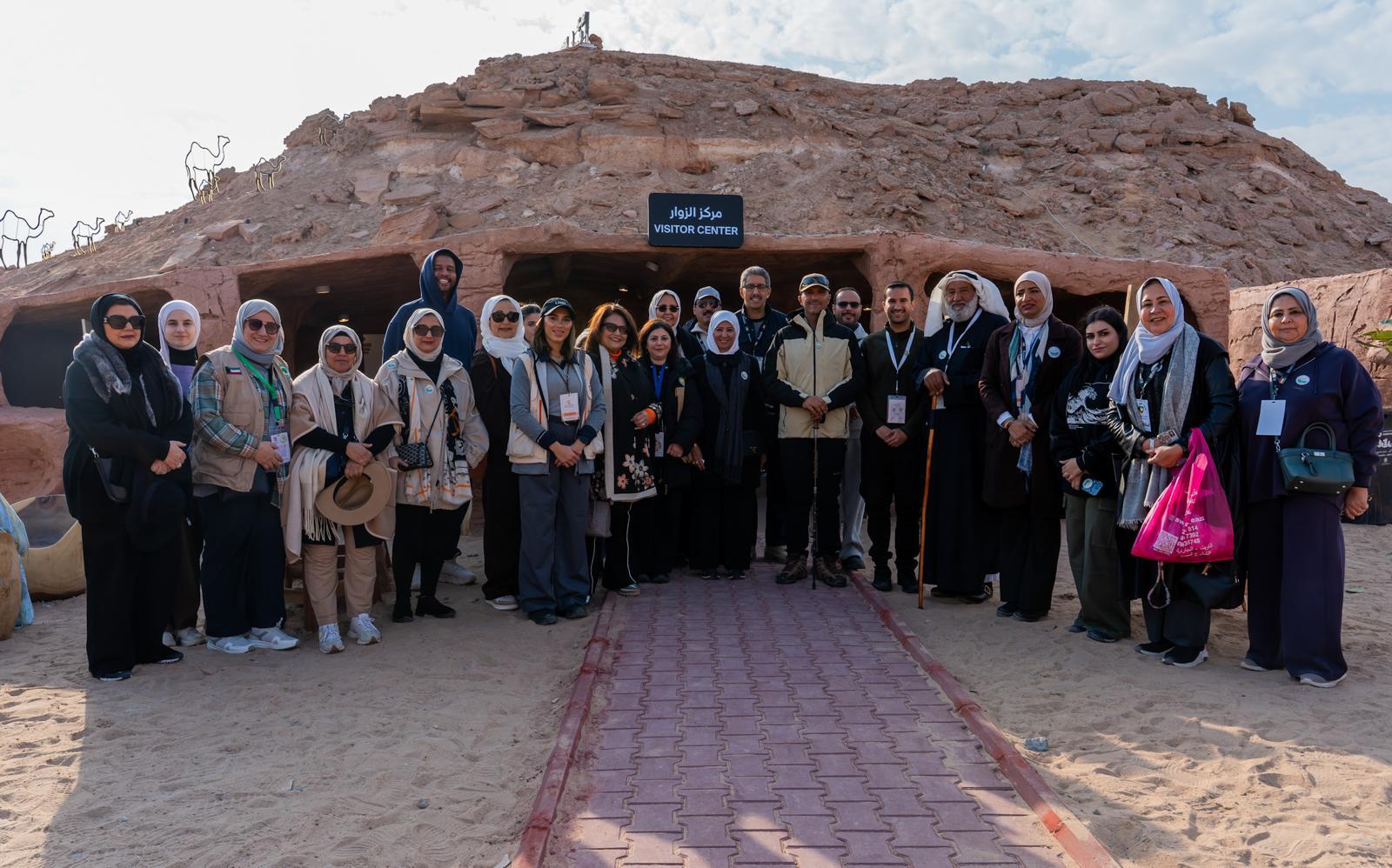
Chairman of the Board of Directors of the Kuwait Society for Earth Sciences Dr Mubarak Al-Hajri told KUNA that the Geopark had achieved notable success during its first season and represented a new addition to domestic tourism in Kuwait. Al-Hajri said the project had evolved from a strategic initiative of the society into a project supported by state agencies, describing it as a step towards protecting natural heritage and promoting ecotourism.
He said the Geopark highlights geological features and biodiversity within the Kuwaiti environment and can serve educational, tourism and environmental purposes. The society is pursuing registration and development of the project in accordance with international standards within the UNESCO World Geoparks Network, a move Al-Hajri said would place Kuwait on the global ecotourism map and reflect its commitments relating to sustainable development, biodiversity conservation and combating desertification. He also praised government attention to tourism and the Geopark project, as well as the support provided by the Kuwait Oil Company.
Fadda Al-Muslim, a board member of the Kuwait Society for Earth Sciences and head of its media committee, said the focus of ecotourism is increasingly on protecting the environment, reducing carbon emissions and developing sustainable infrastructure capable of responding to climate change.
She described Kuwait Geopark as more than an entertainment project or protected geographical area, saying it represents a national approach combining protection of the past, investment in the present and planning for a sustainable future.
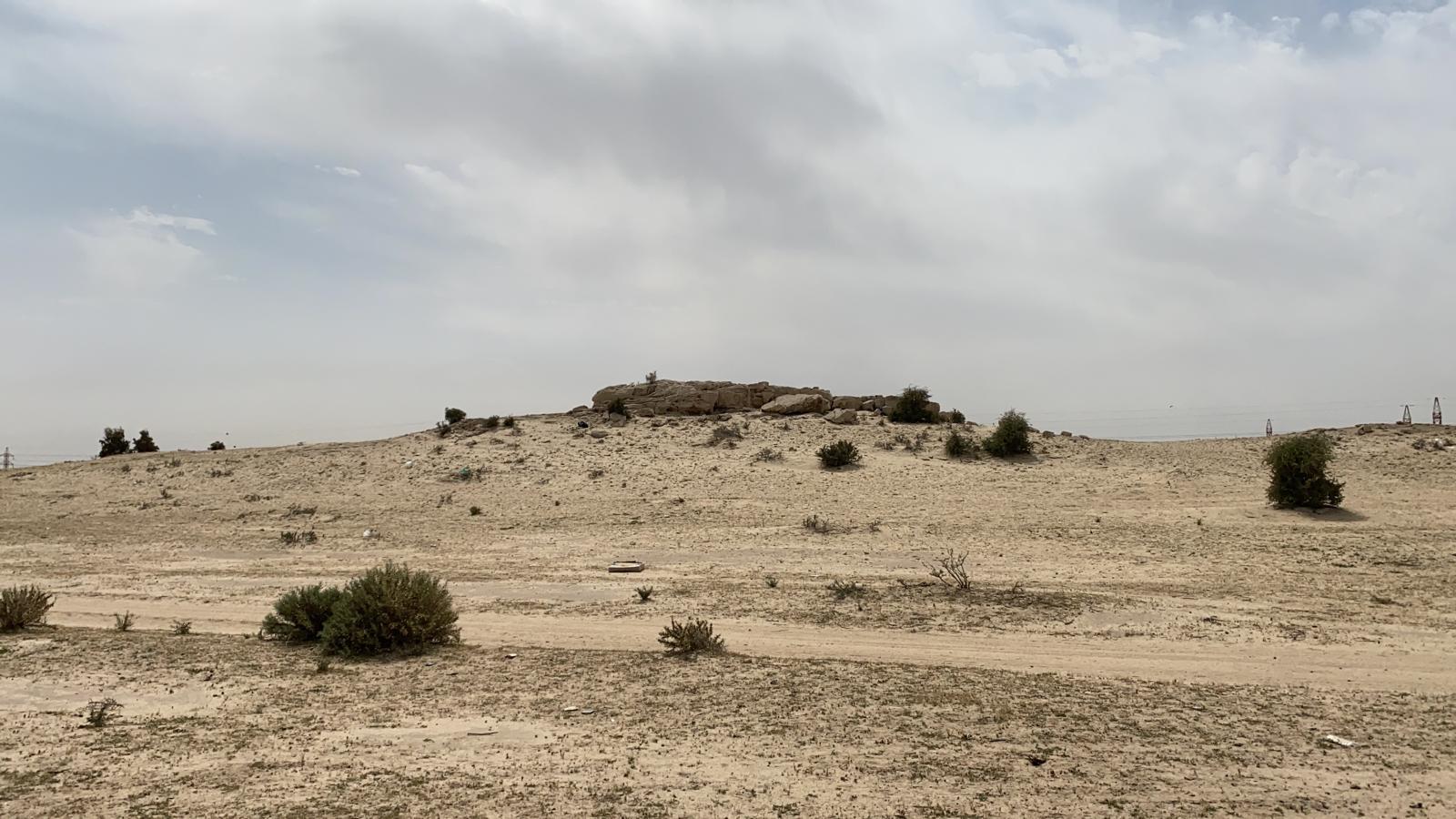
Al-Muslim also highlighted the Aziza rock, described as one of the geological features of the Geopark and the reason behind the project’s launch. The rock was cared for and preserved for about nine years, from 2016 to 2025, because of its scientific importance and distinctive formation before being returned to its original location in the Geopark.
As Kuwait marks World Tourism Day, the focus on its natural areas highlights a tourism dimension that extends beyond conventional attractions, bringing together the country’s desert, coast, islands, wildlife and geological heritage while placing environmental protection at the centre of their potential use.