- At the Gulf and Arab level, Qatar ranked first and placed fifth globally with a per capita income of $120,114.45. It was followed by the UAE in 14th place globally with $83,343.13, Saudi Arabia in 21st place with $75,791.80, and Bahrain in 25th place with $69,906.92. Kuwait ranked ahead of Oman, which placed 54th globally with $43,802.06.
- Globally, Singapore topped the list of the richest countries in 2026 with a per capita income of $164,317.89, followed by Luxembourg and Ireland. Macau ranked fourth, while Qatar completed the top five. Norway, Switzerland, Brunei, Taiwan, and the United States rounded out the top ten.
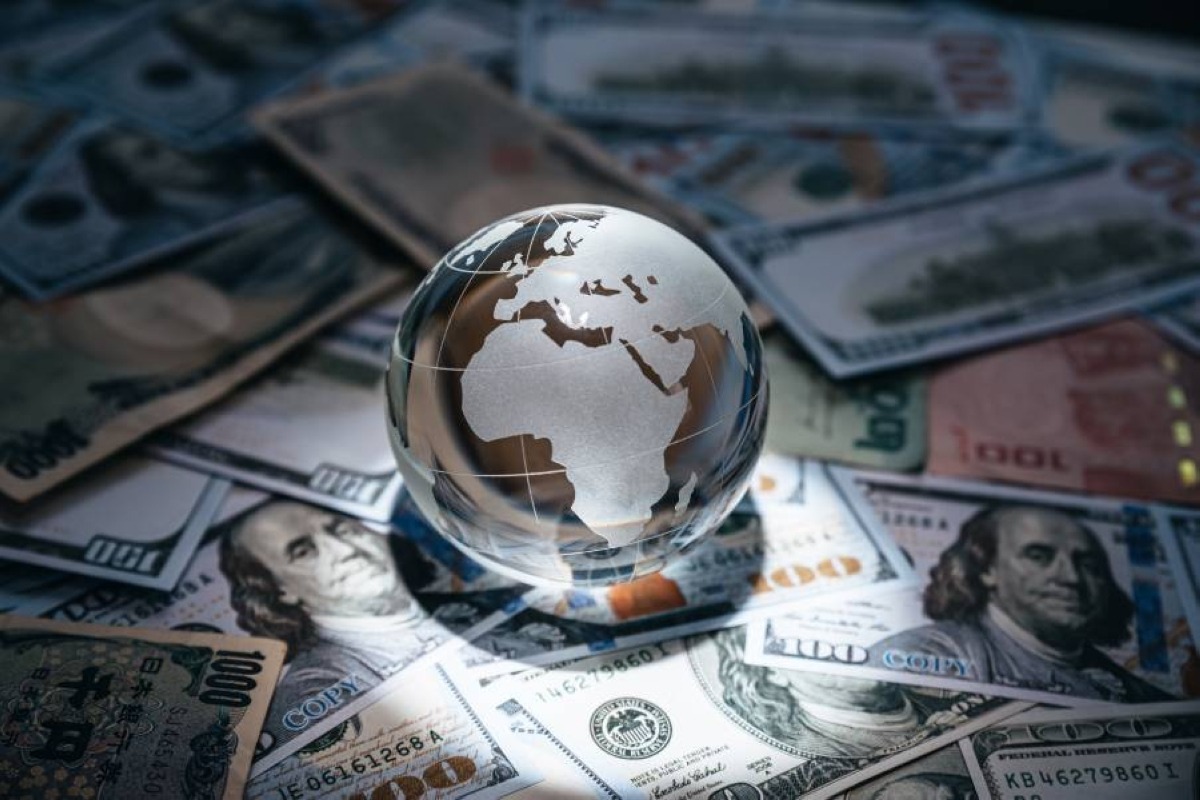
Kuwait has ranked 41st globally and fifth among Gulf and Arab countries in the list of the world’s richest nations for 2026, according to the latest report by Global Finance based on International Monetary Fund data.
The ranking measured countries according to per capita GDP based on purchasing power parity (PPP), with Kuwait recording a per capita income of $54,149.90, improving by two positions compared with last year.
At the Gulf and Arab level, Qatar ranked first and placed fifth globally with a per capita income of $120,114.45. It was followed by the UAE in 14th place globally with $83,343.13, Saudi Arabia in 21st place with $75,791.80, and Bahrain in 25th place with $69,906.92. Kuwait ranked ahead of Oman, which placed 54th globally with $43,802.06.
Kuwait also ranked above several major economies, including Croatia, Portugal, Russia, Greece, China, and Brazil.
Globally, Singapore topped the list of the richest countries in 2026 with a per capita income of $164,317.89, followed by Luxembourg and Ireland. Macau ranked fourth, while Qatar completed the top five. Norway, Switzerland, Brunei, Taiwan, and the United States rounded out the top ten.
The report noted that smaller countries often dominate wealth rankings due to their strong financial sectors, investment appeal, natural resources, and relatively small populations compared with the size of their economies.
The ranking uses purchasing power parity, which adjusts for differences in the cost of goods and services between countries to provide a more accurate comparison of living standards.
However, the report highlighted that high per capita income does not always reflect equal wealth distribution or overall quality of life, as averages can mask income differences within societies.
It noted that global economic challenges, including inflation, supply chain disruptions, and geopolitical tensions, have placed greater pressure on lower-income households, which typically spend a larger share of their income on essential needs such as food, housing, and transportation.