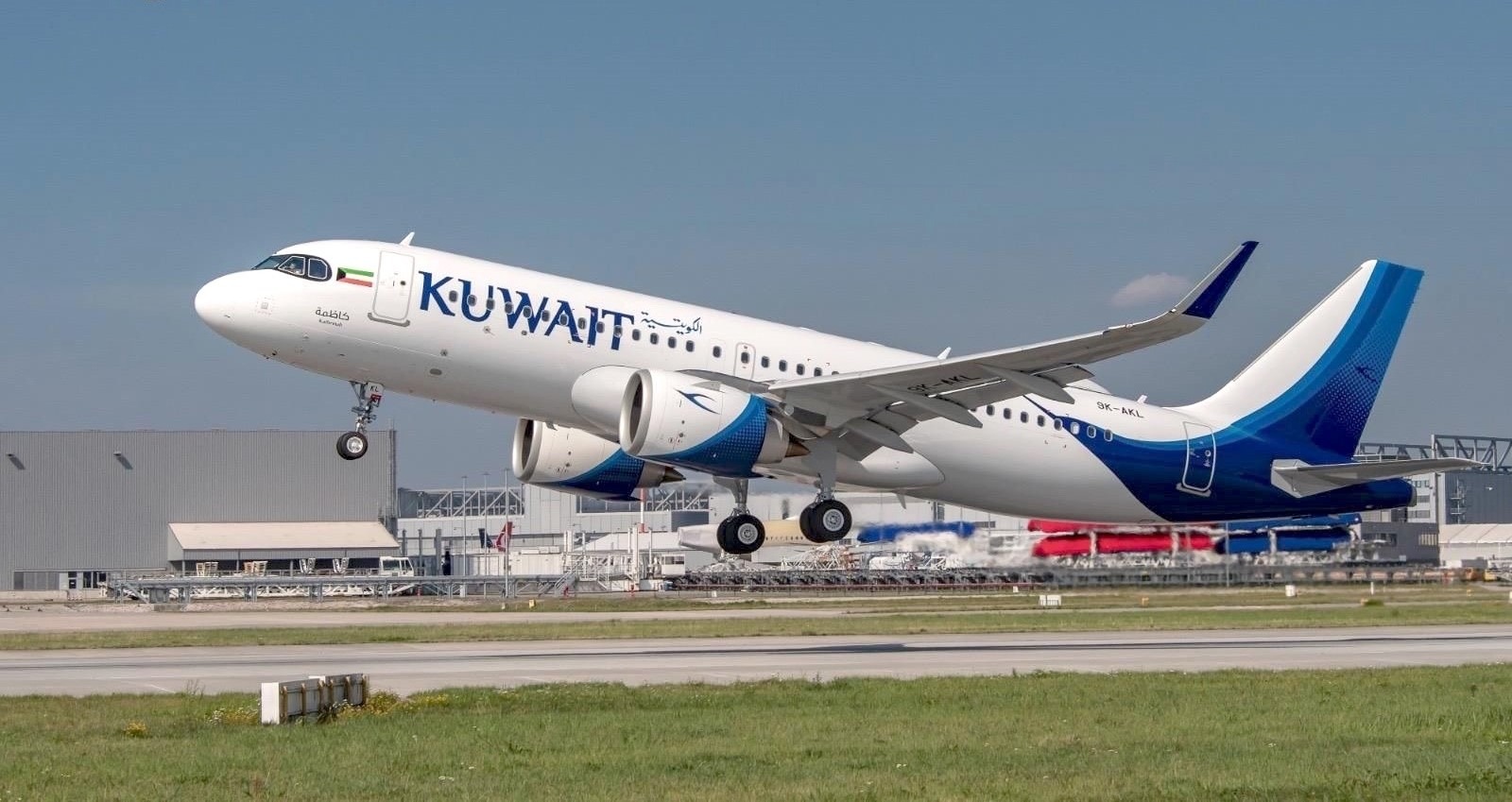
Kuwait Airways to operate 728 weekly flights to 58 global destinations in June expansion
- European destinations include Malaga, Nice, Sarajevo, Vienna, Zurich, Moscow, London, Manchester, Amsterdam, Madrid, Barcelona, Istanbul, Geneva, Milan, Rome, Paris, Frankfurt and Munich, among others.
- Popular holiday and regional routes include Antalya, Bodrum, Trabzon, Mykonos, Sabiha Airport in Türkiye, and several cities across Southern Europe.
- Middle East and Gulf region include Dammam, Riyadh, Jeddah, Medina, Taif, Doha, Manama, Abu Dhabi and Dubai.
- Asian destinations in the expanded network are Delhi, Kathmandu, Bangkok, Manila, Guangzhou, Lahore, Islamabad, Dhaka, Mumbai, Bengaluru, Chennai, Ahmedabad, Hyderabad, Kochi and Trivandrum.
- African routes include Cairo, Sphinx, Sharm El-Sheikh, Sohag and Casablanca, while additional services will also cover Beirut and Amman.
Kuwait Airways has announced a significant expansion of its global network for June, with operations set to increase to around 728 weekly flights covering 58 destinations worldwide.
The announcement was made by the airline’s Acting Chief Executive Officer Abdulwahab Al-Shatti in a statement to the Kuwait News Agency (KUNA).
Al-Shatti noted that the airline currently operates around 420 weekly flights to 45 destinations, including both arrivals and departures across its international network.
He said the planned expansion reflects improved operational approvals and growing demand across key travel markets.
The June network includes a wide range of destinations in Europe, Asia, the Middle East and Africa, supporting Kuwait Airways’ strategy to strengthen global connectivity.
European destinations include Malaga, Nice, Sarajevo, Vienna, Zurich, Moscow, London, Manchester, Amsterdam, Madrid, Barcelona, Istanbul, Geneva, Milan, Rome, Paris, Frankfurt and Munich, among others.
The airline will also serve popular holiday and regional routes such as Antalya, Bodrum, Trabzon, Mykonos, Sabiha Airport in Türkiye, and several cities across Southern Europe.
In the Middle East and Gulf region, flights will include Dammam, Riyadh, Jeddah, Medina, Taif, Doha, Manama, Abu Dhabi and Dubai.
Asian destinations in the expanded network include Delhi, Kathmandu, Bangkok, Manila, Guangzhou, Lahore, Islamabad, Dhaka, Mumbai, Bengaluru, Chennai, Ahmedabad, Hyderabad, Kochi and Trivandrum.
African routes include Cairo, Sphinx, Sharm El-Sheikh, Sohag and Casablanca, while additional services will also cover Beirut and Amman.
Al-Shatti also addressed the issue of ticket cancellations, revealing that around 500,000 bookings were canceled since February 28 due to earlier disruptions.
He said the airline has already refunded about 55 percent of the total value of canceled tickets, while work continues to complete refunds for the remaining 45 percent.
He explained that delays were caused by airspace closures, high demand for refunds, reduced staffing levels in government agencies, and the need to verify banking information in coordination with financial institutions.
Following the reopening of airspace and the resumption of normal schedules, refund requests increased sharply, further adding pressure on operations.
Al-Shatti emphasized that Kuwait Airways continues to enhance customer service, accelerate refund processing, and expand flights to high-demand destinations while maintaining competitive pricing where possible.
He noted that passengers were offered flexible options, allowing them to retain tickets for up to two years and use them for the same or alternative destinations without additional fees.
He also pointed to rising aviation fuel costs, which have increased by more than 120 percent, along with higher insurance premiums, both of which have significantly impacted operational expenses.
These global challenges, he said, continue to affect ticket pricing, although the airline is working to minimize the impact on passengers.
Al-Shatti explained that some pricing structures are influenced by Special Prorate Agreements (SPA), which determine revenue sharing between airlines when multiple carriers are involved in a single journey.
He added that Kuwait Airways uses advanced systems to optimize routes, improve efficiency, and reduce operational costs while maintaining service quality.
The airline chief also noted that rerouted air traffic has led to longer flight durations on some routes, especially short-haul Gulf flights, increasing fuel consumption and operational costs.
He stressed that several external factors, including fuel supply, insurance conditions, and regional geopolitical developments, continue to affect global aviation operations.
Al-Shatti said Kuwait Airways is working within a wider international airport network, where some airports still face operational constraints such as fuel availability, slot restrictions, and airspace diversions.
He acknowledged that frequent schedule changes from aviation authorities have impacted passengers, but stressed that these adjustments were beyond the airline’s control.
Customer service operations, he added, came under unprecedented pressure during the crisis, with hotline calls increasing more than fourfold, prompting the airline to expand support teams.
He concluded by highlighting Kuwait Airways’ emergency response during the airspace closure, including repatriation flights, cargo operations for essential medical supplies, and coordinated efforts with authorities to assist stranded passengers and maintain continuity of critical national services.