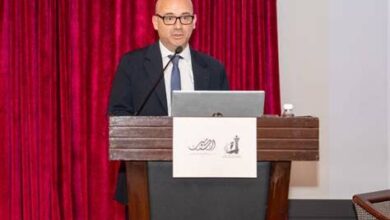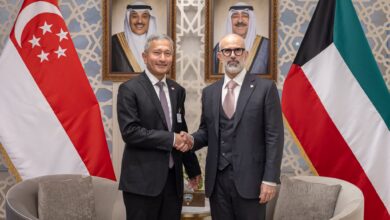
Secretary-General of the Gulf Cooperation Council, Jassim Al-Budaiwi, has underscored the importance of deepening strategic ties with the European Union, emphasizing that enhanced cooperation is essential to serving mutual interests and promoting regional and global stability.
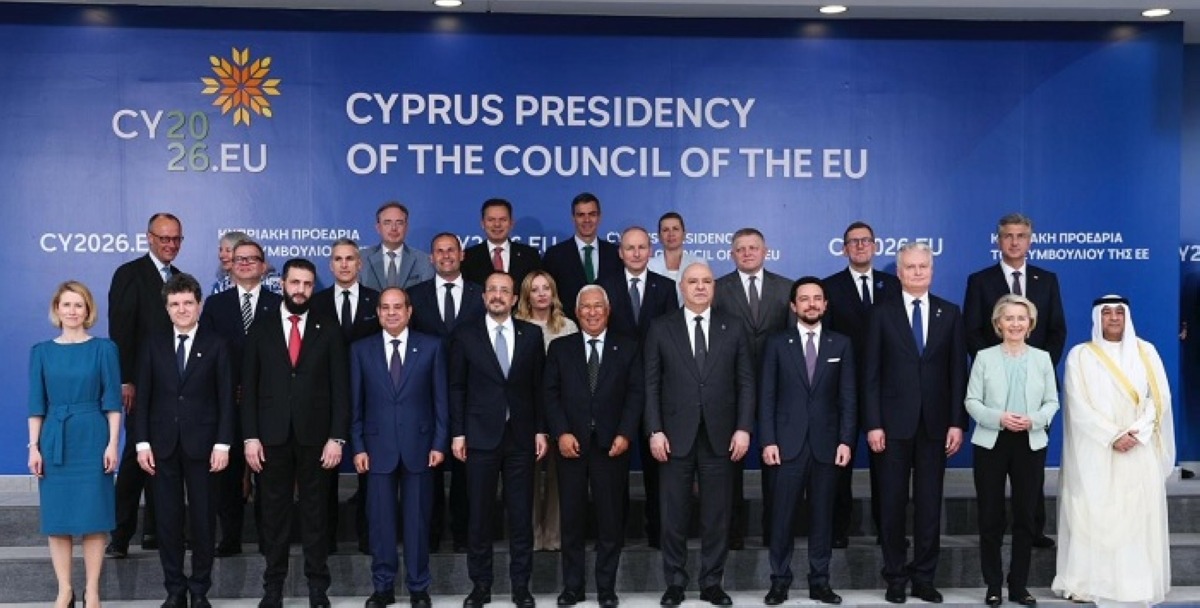
Speaking during an informal leaders’ meeting between the European Union and key regional partners in Nicosia, Al-Budaiwi highlighted the urgent need to activate existing partnership mechanisms and expand coordination across multiple sectors.
He noted that the current geopolitical landscape requires closer alignment between the GCC and the EU, stressing that the benefits of this partnership extend beyond their respective regions to the wider international community, reports Al-Rai daily.
A central theme of Al-Budaiwi’s address was the critical importance of energy security. He pointed to the strategic role of the Strait of Hormuz in global trade and energy flows, emphasizing ongoing cooperation with international partners to ensure safe and uninterrupted navigation.
He also called for the development of alternative energy transport routes, including pipelines, rail networks, and air links, alongside the creation of integrated infrastructure channels between the GCC and Europe. Such measures, he said, would strengthen supply chains and safeguard global energy markets.
Addressing regional tensions, Al-Budaiwi reiterated that dialogue and negotiation remain the only viable path to de-escalation. He expressed hope that Iran would reconsider its pursuit of nuclear capabilities, warning that such actions could trigger instability and a dangerous arms race in the region.
He stressed that any comprehensive agreement with Iran must address not only its nuclear ambitions but also its ballistic missile program and regional activities, noting the broader implications for international security.
Al-Budaiwi further warned of the severe consequences that could arise from any disruption to the Strait of Hormuz, particularly its impact on European energy security and critical sectors such as aviation.
On the Palestinian issue, Al-Budaiwi reaffirmed its central importance, calling for an end to the Israeli occupation and the establishment of an independent Palestinian state based on the 1967 borders with East Jerusalem as its capital, in line with international resolutions and the Arab Peace Initiative.
Regarding Lebanon, he welcomed recent steps taken by the Lebanese government to curb armed activities and praised the initiative by Emmanuel Macron to host an international conference aimed at supporting and rebuilding southern Lebanon. He stressed the need for a comprehensive solution to ensure the country’s stability and prevent further escalation.
Al-Budaiwi concluded by expressing optimism about the future of GCC–EU relations, pointing to the anticipated second summit between the two sides later this year. Key topics expected to be discussed include a free trade agreement, Schengen visa exemptions, digital transformation, logistics connectivity, clean energy, and investment opportunities.
He emphasized that advancing these areas would significantly enhance the strategic partnership between the GCC and the European Union, paving the way for sustainable development and long-term stability.