Uncertainty continues to cloud the future of negotiations between the United States and Iran, with prospects for a breakthrough appearing increasingly remote as internal dynamics in Tehran shape the direction of talks.
Since the ceasefire announced earlier this month, Washington, under Donald Trump, has sought a permanent resolution to the conflict involving Iran and Israel.
However, indirect negotiations have stalled, with a planned round of talks in Pakistan collapsing after Abbas Araghchi departed before US envoys arrived, dw.com reports.
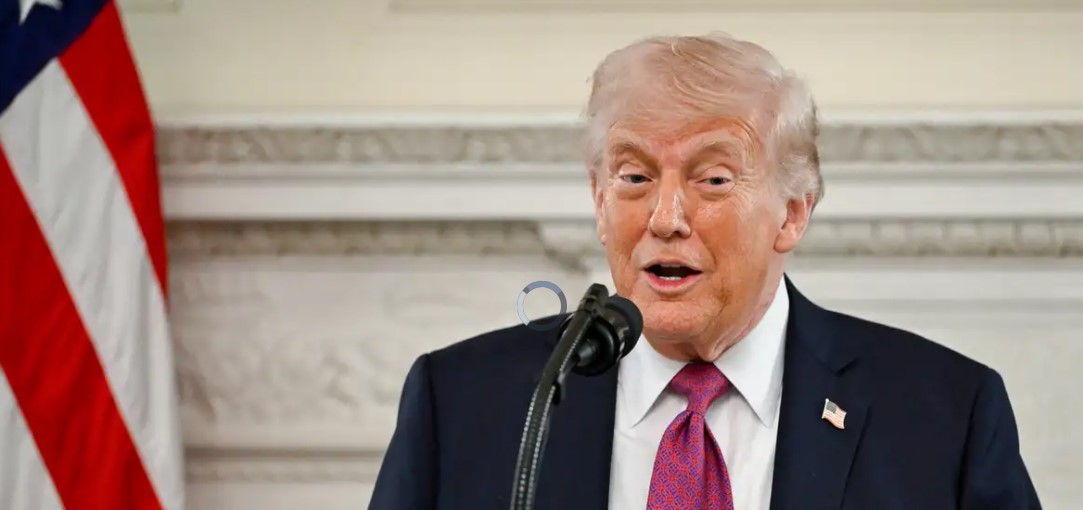
Trump has publicly attributed the lack of progress to what he described as a fragmented political landscape in Tehran, pointing to divisions between hardline and more pragmatic factions.
Meanwhile, reports indicate that US military planners are considering targeted measures against individuals believed to be obstructing diplomatic efforts.
Despite these claims, Iranian officials insist that decision-making remains unified. Power, however, is concentrated among a small group of political and military figures who continue to shape the country’s negotiating stance.
At the center of Iran’s power structure is Supreme Leader Mojtaba Khamenei, who assumed the role following the death of his father, Ali Khamenei.
Although largely absent from public view, Mojtaba is believed to retain ultimate authority over strategic decisions, including foreign policy and military affairs.
Within the security establishment, Ahmad Vahidi, the current commander of the Islamic Revolutionary Guard Corps, is viewed as a key hardline figure with significant influence. Analysts suggest he may play a decisive role in shaping Tehran’s resistance to concessions in negotiations.
In contrast, Parliament Speaker Mohammad Bagher Ghalibaf is seen as a pragmatic voice advocating for engagement with Washington. He has previously led direct talks with US representatives, though without tangible results.
Another prominent hardliner, Saeed Jalili, is rumored to be assuming a larger role in the negotiation process.
Known for his uncompromising stance toward the West, Jalili has historically favored a confrontational approach that contributed to heightened tensions and international sanctions.
President Masoud Pezeshkian, while holding a more moderate position, operates within a system where ultimate authority rests with the supreme leader.
He has repeatedly called for balanced and fair negotiations but remains constrained by the broader power structure.
Foreign Minister Araghchi continues to serve as the public face of Iran’s diplomatic efforts, engaging in regional and international consultations, including recent visits to Pakistan, Oman, and Russia.
Tehran has reportedly conveyed proposals to Washington through intermediaries, including potential arrangements involving maritime access through the Strait of Hormuz in exchange for easing restrictions on Iranian ports.
However, early signals suggest that significant differences remain, particularly over Iran’s nuclear program, which Washington insists must be central to any agreement.
As diplomatic efforts falter, the balance of power within Tehran, and the influence of competing factions, will likely determine whether negotiations can move forward or remain at an impasse.