
















Around 5,000 young applicants compete for Kuwait Fire Force training courses
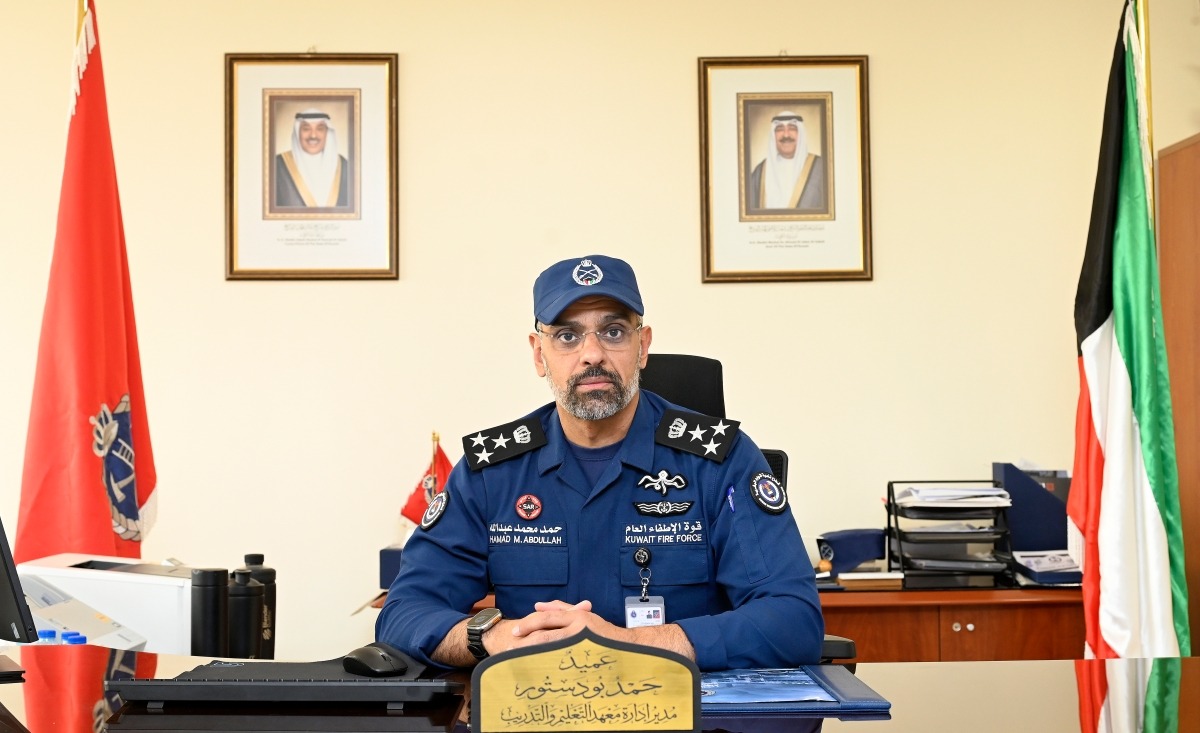
Around 5,000 applicants are competing for specialized training courses offered by Kuwait Fire Force, highlighting strong interest among young people in joining the firefighting profession as the force modernizes its training system to prepare for emerging risks.
Director of Education and Training at the Kuwait Fire Force Brigadier General Hamad Mohammed Boudastour said the priority is to provide training that simulates future emergencies, stressing that firefighting is no longer limited to conventional fires.

He added firefighters must now be prepared for emerging threats, including lithium battery fires and the technological developments associated with them.
Training Designed for Tomorrow’s Risks
Boudastour said the Education and Training Department is implementing an integrated plan to modernize its training and education system in line with global developments in firefighting and rescue. The aim is to graduate national cadres with the scientific and practical skills needed to respond to different types of accidents and emergencies.
He said the Kuwait Fire Force is also strengthening cooperation with educational and military institutions by exchanging expertise and information and providing training for students during their studies, whether they are preparing to become officers or personnel.
Training programs are also provided to employees of relevant institutions, with Boudastour stressing that continuous professional development is not limited to new recruits.
Lithium Battery Fires Pose New Challenge
Boudastour said the institute is continuously updating its programs to keep pace with technological developments.
The growing global use of lithium batteries in vehicles and energy sources, he explained, is expected to change the nature of fire hazards in the coming years.
The force is therefore preparing specialized curricula and courses based on a timetable aligned with its future requirements, ensuring firefighters have the expertise needed to confront emerging risks.
Advanced Simulators to Transform Training
The development plan includes introducing modern simulators capable of recreating different types of accidents, giving trainees practical experience in a controlled and safe environment.
Existing training facilities will also be upgraded, including simulated fire grounds where trainees learn to analyze the causes of fires and practice firefighting techniques.
Boudastour expects the advanced simulators to enter service in the coming period. He said any future expansion of the institute’s facilities will prioritize the training process and the creation of an advanced educational environment capable of producing highly qualified firefighters.
Five Main Courses Draw 5,000 Applicants
Boudastour revealed that the institute plans to organize five main courses this year. They include:
- Two Bachelor of Fire Engineering courses for university graduates.
- An officers’ course for diploma holders.
- Courses for firefighting sergeants and corporals.
- A security course in cooperation with the Public Authority for Applied Education and Training.
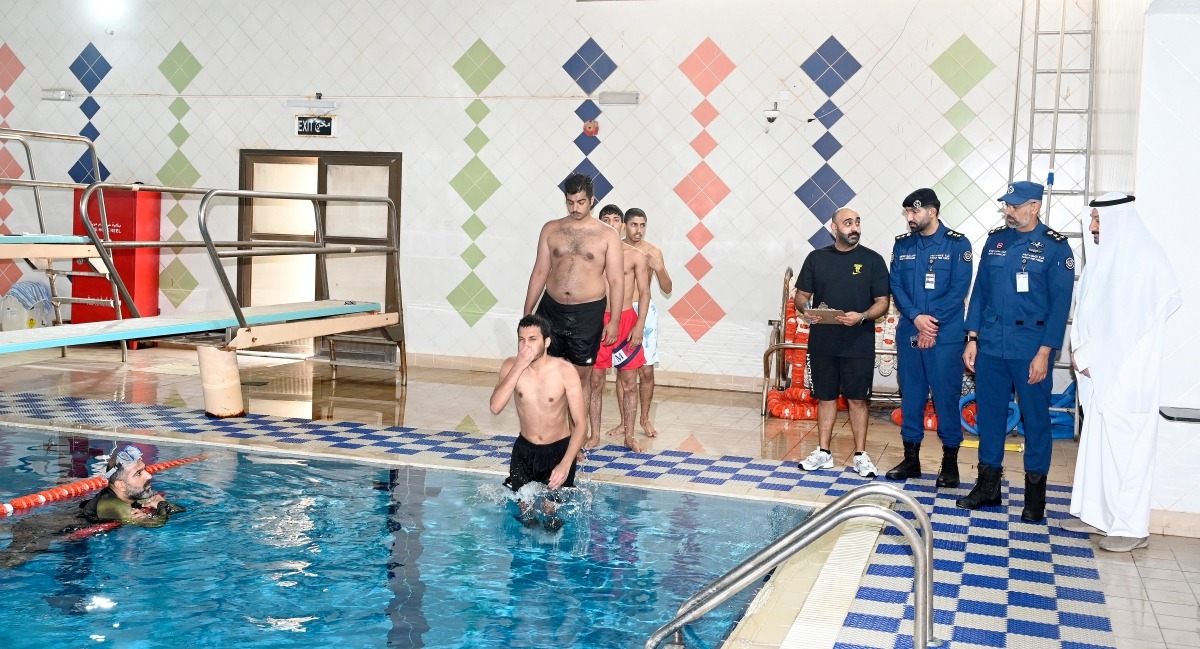
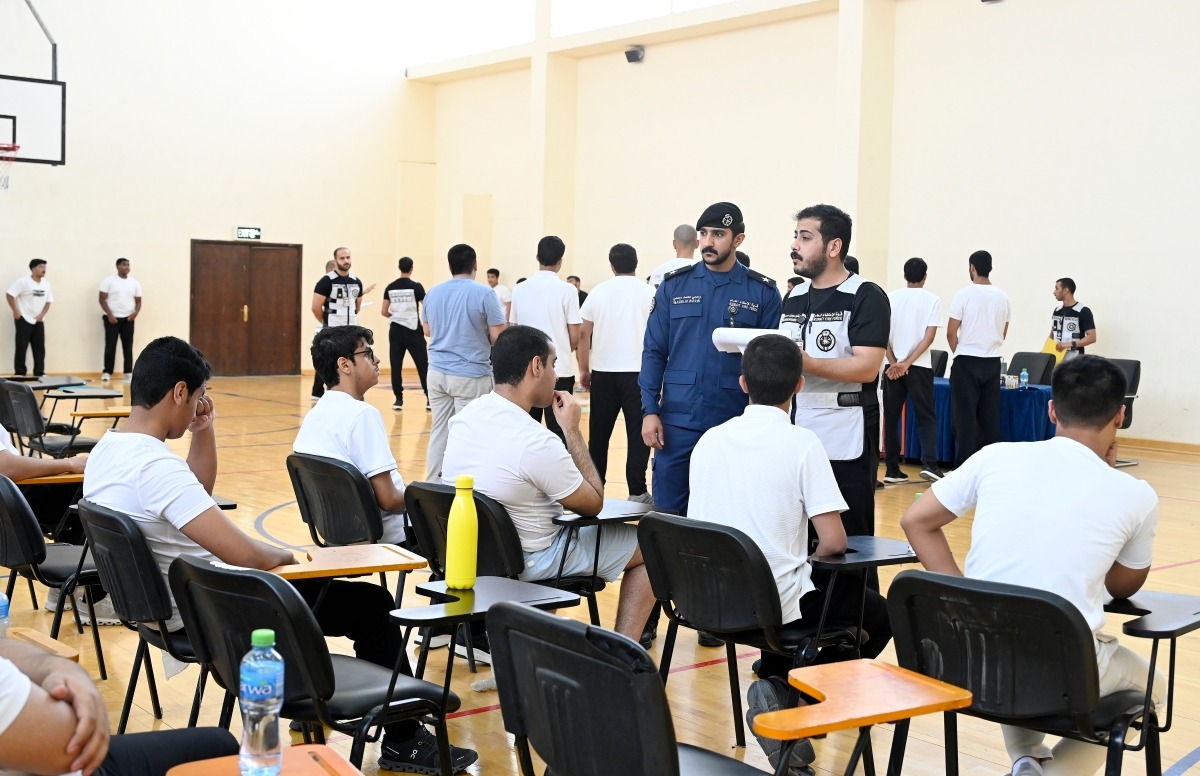
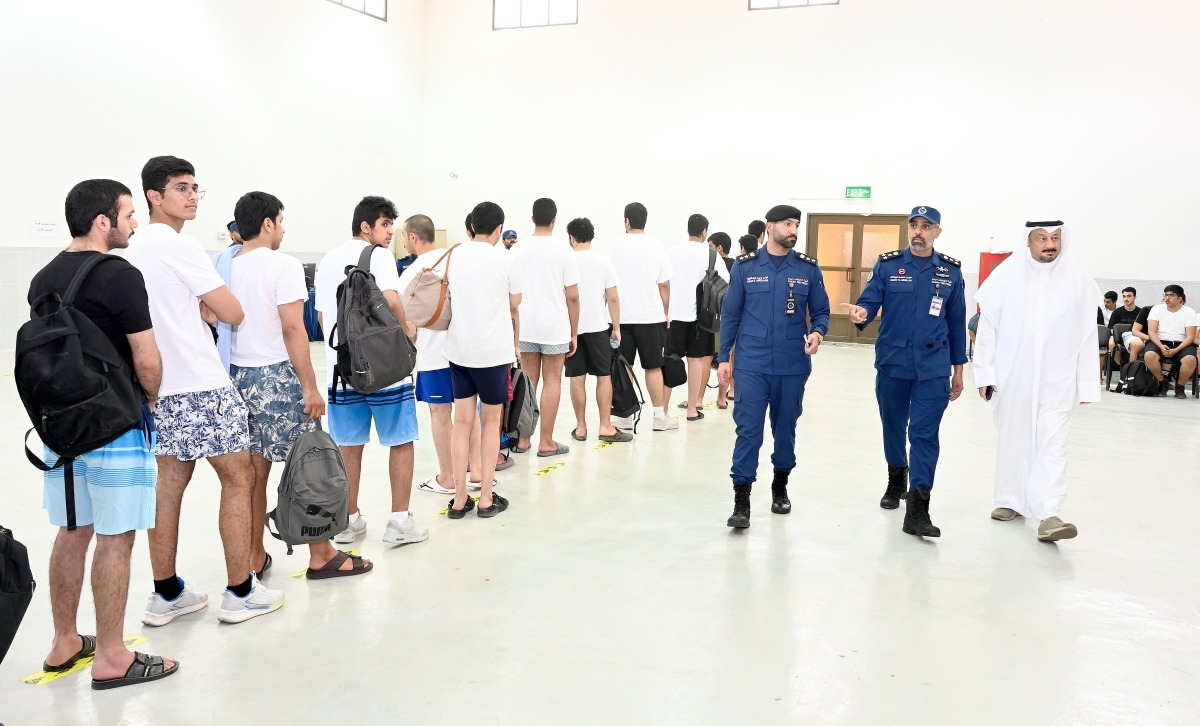
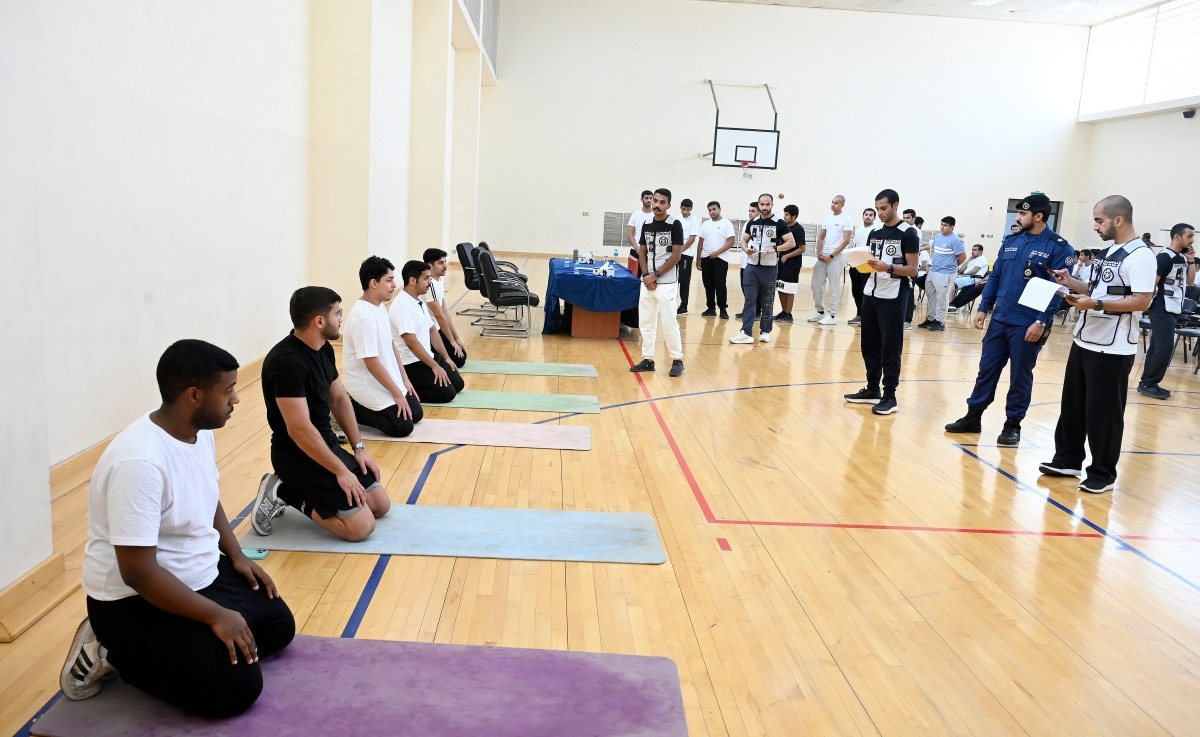
The number of applicants has reached about 5,000, with candidates selected according to specialization, preference and their ability to pass the required tests. A lottery is then conducted transparently to complete the admission process.
All courses cover core areas including firefighting, rescue, first aid, hazardous materials and heavy machinery driving.
International Expertise Strengthens Firefighter Training
Boudastour described the Institute of Education and Training as the cornerstone of firefighter preparation, noting that responding to emergencies requires intensive practical training.
The institute maintains high safety standards through its medical clinic, first-aid facilities and other equipment designed to protect trainees during exercises.
It also benefits from expertise from the United States and United Kingdom, as well as Gulf and Arab countries. The exchange of expertise, he said, directly contributes to improving firefighter performance and preparedness.
The institute has previously hosted Gulf trainees for specialized courses and has sent students abroad to acquire advanced skills not available locally. Such overseas training will continue whenever required by the training programs.
No Plans to Move Institute
Regarding the institute’s location, Boudastour said there are no plans to relocate it, with the focus instead on developing the existing facility to better serve the training process. However, he called for the urgent construction of a new road serving the institute, warning that the current road poses a danger to students and staff.
He said the General Fire Force has contacted the Ministry of Public Works more than once to seek a permanent solution rather than relying only on maintenance and restoration. The road is used by thousands of students every year, along with residents of nearby areas and heavy vehicles, making a sustainable safety solution necessary.
Maritime Rescue Course Gains Gulf Recognition
Boudastour said the institute has established a regional presence through its Maritime Rescue (SAR) course, which has developed from a local program into a Gulf-level course attended by officers from GCC countries. The administration hopes to build on this experience and introduce additional regional training programs.
He stressed that the concept of an academy is not defined by its buildings but by the quality of its graduates. The institute has begun preparing its first group of Bachelor of Fire Engineering graduates in partnership with the Public Authority for Applied Education and Training, with the first graduates expected in 2030.
Strict Fitness Standards for Firefighters
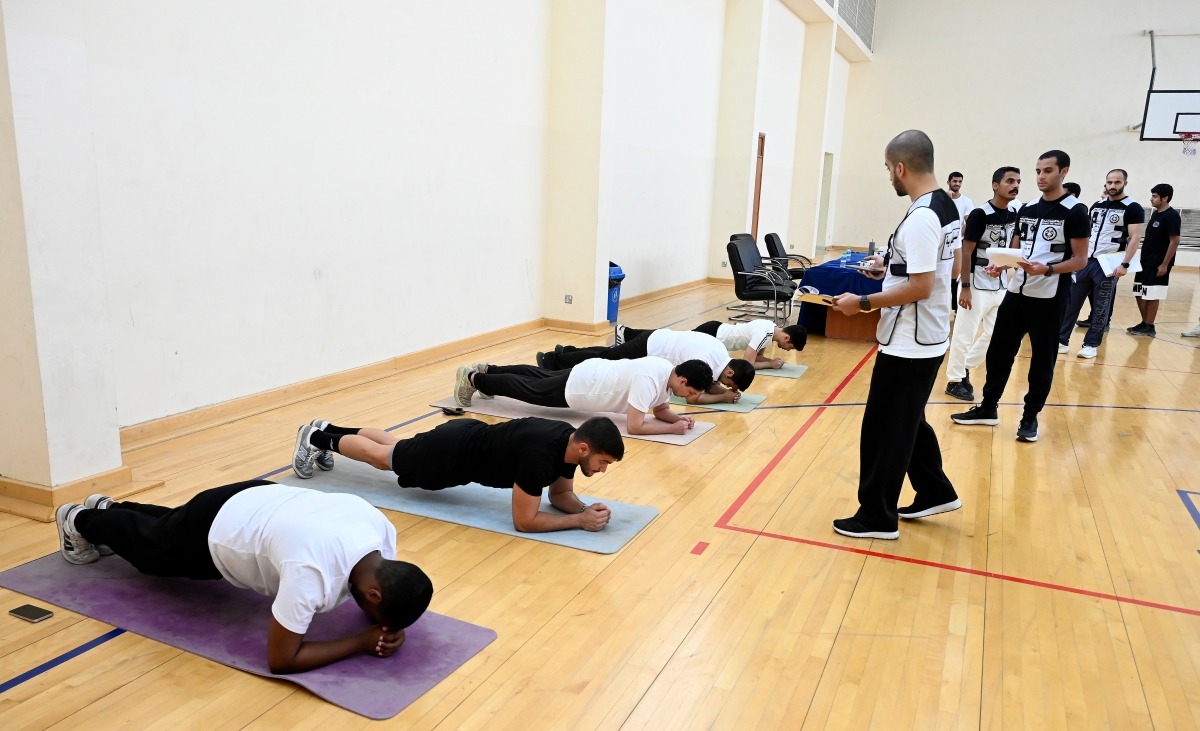
Boudastour stressed that admission requirements are applied without exceptions, including standards for height, weight and physical fitness. With applications exceeding the number of available places, he said strict adherence to the regulations is essential. “We will not make any exceptions… even if it is my son,” he said, stressing that a firefighter who is not physically prepared could become a victim instead of a rescuer while performing his duties.
He urged young people interested in joining the General Fire Force to prepare physically and psychologically before applying, noting that military service requires discipline and a high level of fitness throughout a firefighter’s career.
Fitness Tests Linked to Promotions
Boudastour said the General Fire Force was the first military entity to link promotions to passing physical fitness tests.
The measure aims to ensure that firefighters maintain the physical readiness required to perform their duties throughout their careers.
Female Officers Trained in Public Awareness
The General Fire Force has also launched a new program to train female officers in media empowerment, under the direction of Chief of the General Fire Force Major General Talal Al-Roumi. The program is designed to prepare female cadres to participate in awareness campaigns, exhibitions and community programs.
Training covers presentation, communication and public-speaking skills, strengthening the role of female officers in promoting a culture of prevention and safety across society.