UNHCR, Sheikh Abdullah Al-Nouri Charity Society sign grant agreement
. . . to support Syrian refugees in Jordan and returnees in Syria
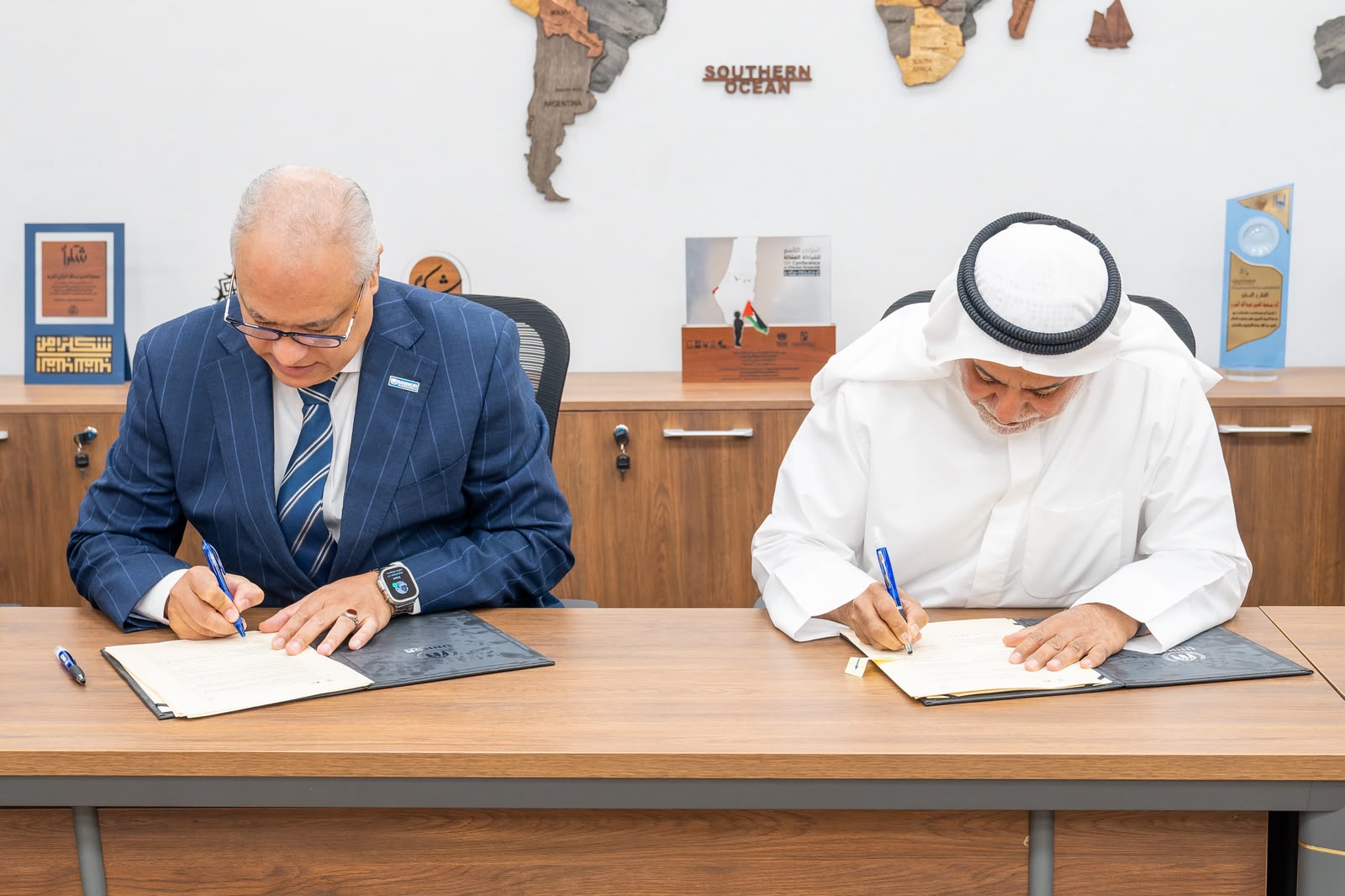
UNHCR, the UN Refugee Agency, and the Sheikh Abdullah Al-Nouri Charity Society signed a grant agreement to support returnees in Syria and refugees living in Zaatari and Azraq camps in Jordan, reaching an estimated 4,860 people across the two operations.
The agreement was signed by Khaled Khalifa and Eng. Jamal Al-Nouri at the Society’s premises in Kuwait. This collaboration will support approximately 3,075 individuals who have returned to Syria through multi-purpose cash assistance.
In Jordan, the agreement will support approximately 1,785 refugees in Zaatari and Azraq camps with essential healthcare services over six months. These services will include primary healthcare for acute and chronic illnesses, as well as mental health and psychosocial support.
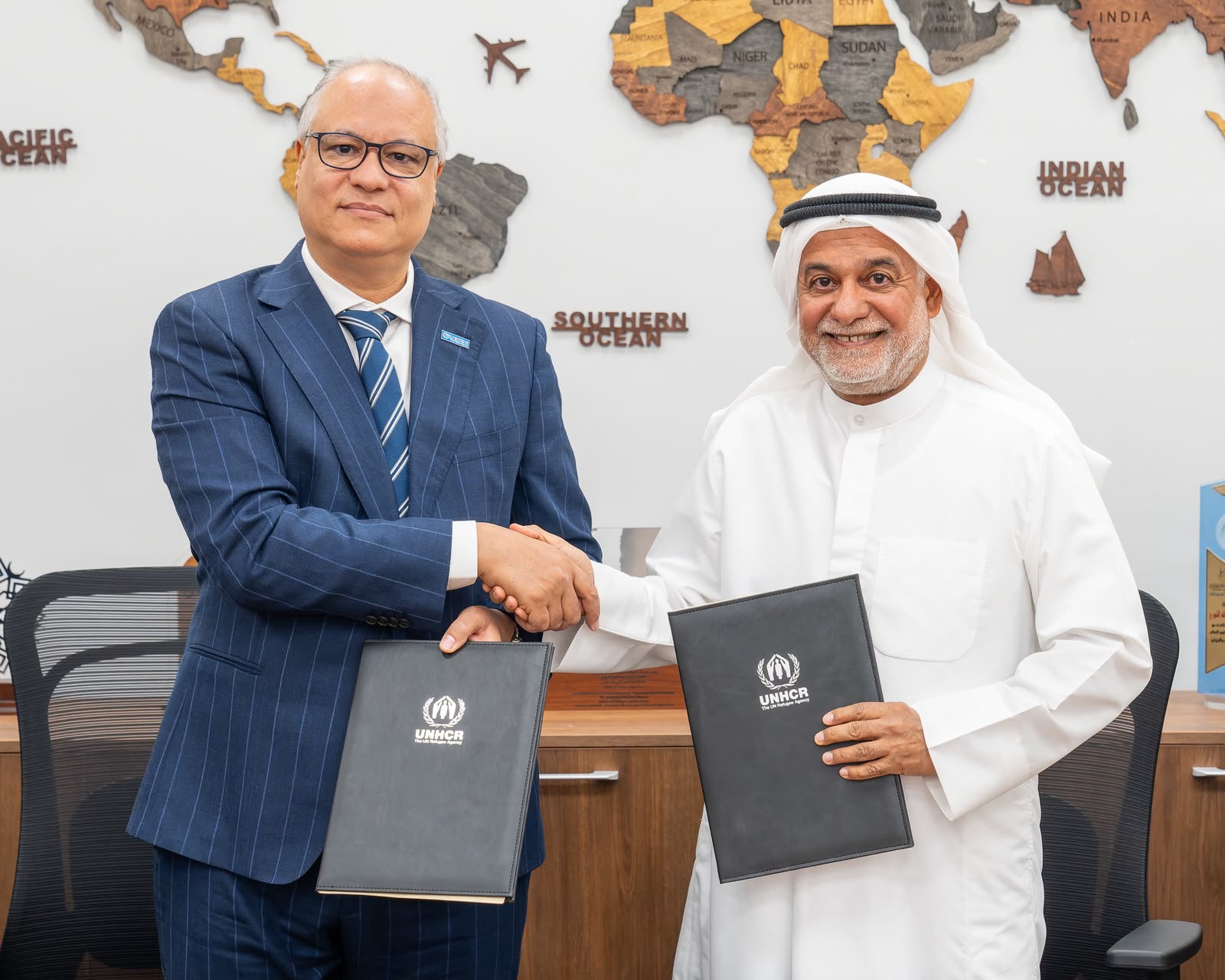
Speaking during the signing ceremony, Khaled Khalifa, Senior Advisor and UNHCR Representative to the Gulf Cooperation Council countries, said: “This partnership comes at a particularly critical time of immense humanitarian needs and funding constraints.
“We appreciate the Sheikh Abdullah Al-Nouri Charity Society’s support, which will help thousands of vulnerable Syrians meet their immediate needs and rebuild their lives, whether they returned home or continue to seek safety and support in exile,” Khalifa said.
Chairman of the Board of Directors of Sheikh Abdullah Al-Nouri Charity Society, Eng. Jamal Al-Nouri, said: “Through this partnership with UNHCR for the 6th year, we are proud to support thousands of individuals and families in Syria and Jordan.
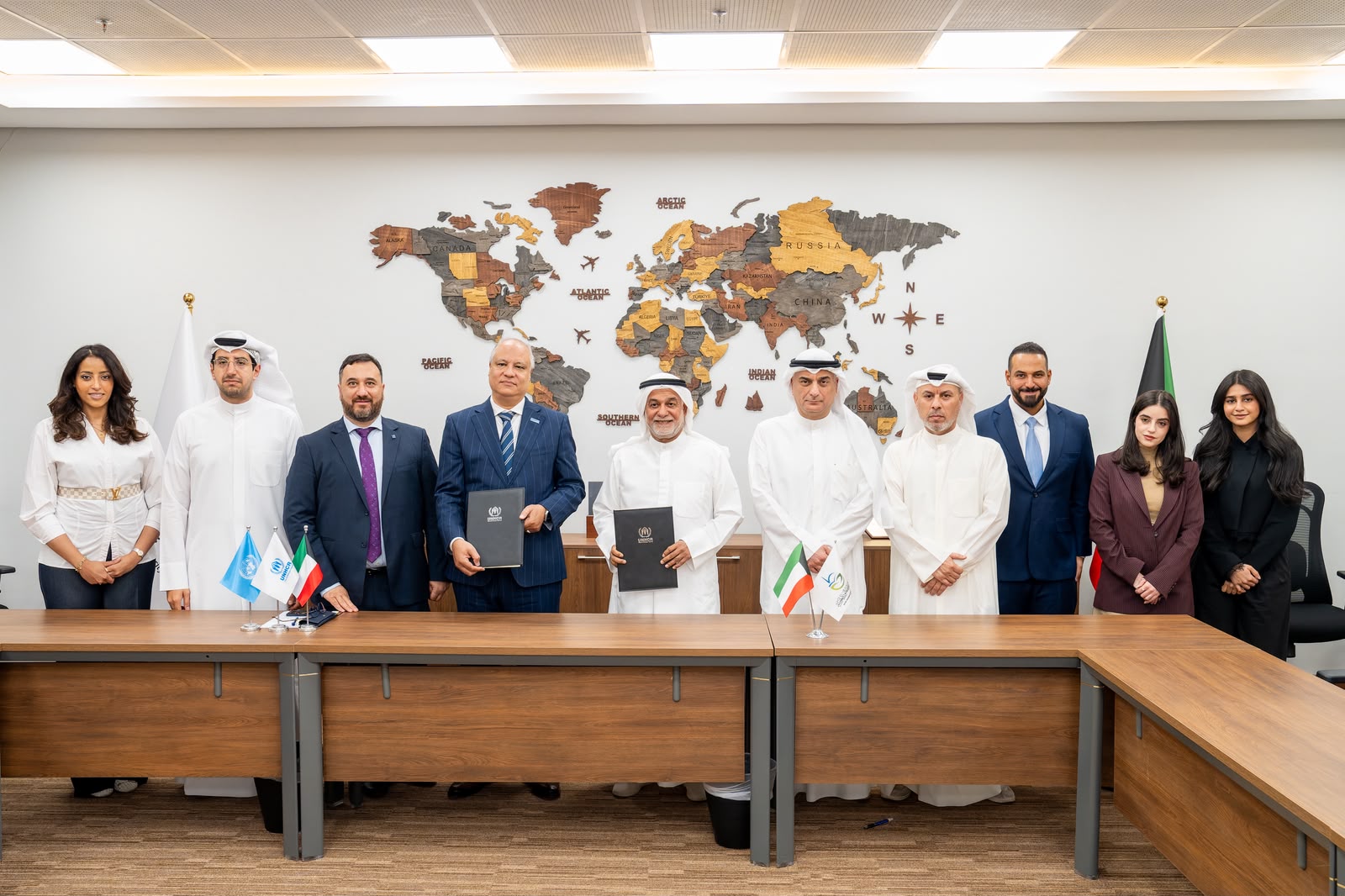
“Our priority is to ensure that assistance reaches people where the need is greatest, whether by helping returnee Syrian families rebuild their lives or supporting refugees in Jordan with access to essential healthcare. This cooperation reflects the humanitarian values deeply rooted in the State of Kuwait,” Al-Nouri added.
In Syria, families returning after years of displacement often face significant challenges in re-establishing their lives including livelihood and income generating opportunities, adequate housing and essential services. Multi-purpose cash assistance provides families with flexible, timebound support to help address most pressing needs, including food, shelter, transportation, healthcare, education and basic household items, while supporting dignity and choice in how assistance is used.
In Jordan, refugees living in Zaatari and Azraq camps continue to rely on humanitarian services, including essential healthcare. The grant will support primary healthcare for acute and chronic illnesses, as well as mental health and psychosocial support, helping maintain access to these services for vulnerable refugees in the camps.