- Diplomatic push gathers pace amid easing regional tensions
- US president declines to set deadline for nuclear agreement while Tehran says discussions with Oman on a new Strait of Hormuz route have entered their final phase.
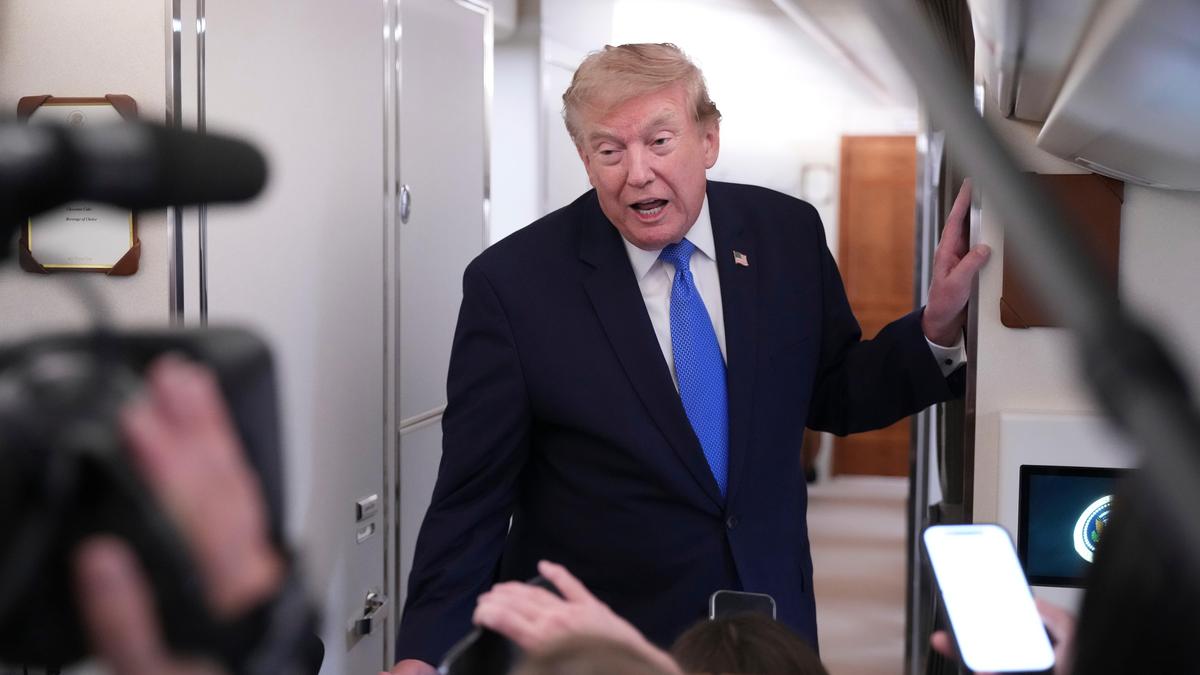
US President Donald Trump has confirmed that negotiations with Iran will begin on Monday, signaling a renewed diplomatic effort to ease regional tensions while declining to set a deadline for reaching an agreement on Tehran’s nuclear program.
The announcement follows Trump’s decision to suspend a planned military strike against Iran after saying diplomacy offered the best chance of securing an agreement that would reopen the Strait of Hormuz and address international concerns over Iran’s nuclear ambitions.
Speaking ahead of the talks, Trump said negotiations would proceed on Monday but refrained from specifying how long the process would continue if no immediate breakthrough is achieved.
In a message posted late Saturday on his Truth Social platform, Trump said Iran and several Middle Eastern countries had requested additional time to finalize an agreement.
He said the proposed deal would result in the “immediate, complete and total” reopening of the Strait of Hormuz and bring what he described as Iran’s nuclear threat to an end, news agencies reports.
Trump also urged Tehran to “rapidly make a deal,” maintaining pressure on Iran despite opting to delay military action.
As diplomatic efforts accelerated, Iranian Foreign Minister Abbas Araghchi held separate telephone conversations with Saudi Foreign Minister Prince Faisal bin Farhan and Pakistan’s Army Chief Gen Asim Munir to discuss regional developments and ongoing diplomatic initiatives, according to Iranian state media.
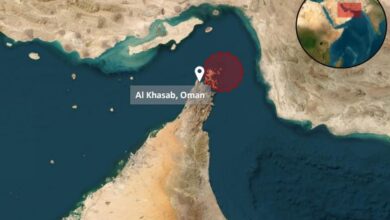
Earlier, Iran’s official news agency IRNA reported that negotiations between Tehran and Oman over arrangements concerning the Strait of Hormuz had entered their final stages, citing Araghchi.
Iranian Foreign Ministry spokesperson Esmaeil Baghaei said the discussions with Oman are centered on establishing a new navigation route through the strategically vital waterway.
He stressed that the negotiations were unrelated to the broader issue of whether the Strait of Hormuz would remain open or closed.
“The negotiations have no link to the Strait of Hormuz being opened or closed. That is a separate discussion,” Baghaei said.