Ceuta migration crisis prompts EU talks, France backs Spain, EU seeks united response
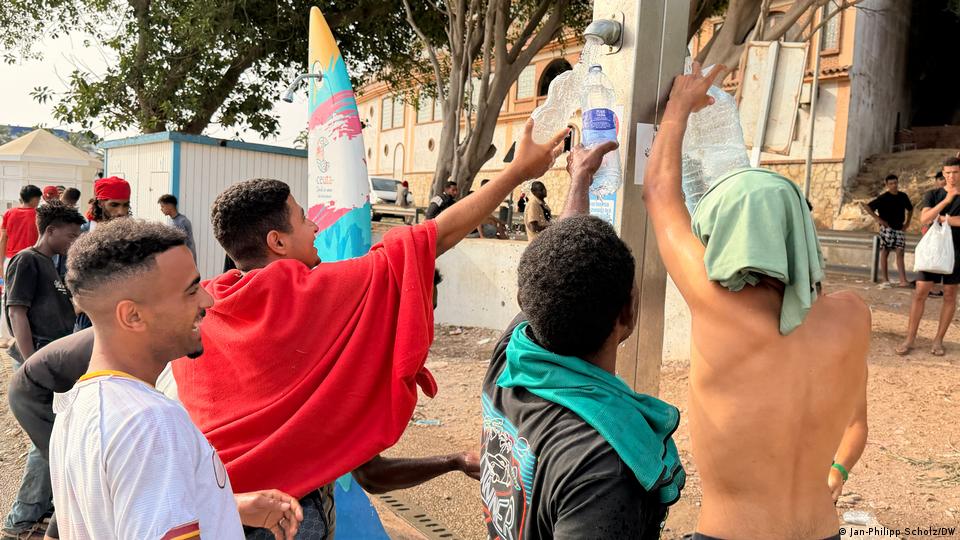
- Spain says authorities regained full control of border within 48 hours, repatriated the vast majority of migrants who crossed over and prevented unauthorized movement to mainland Spain and rest of Europe.
- Denmark and Finland call for review of Spain’s participation in Schengen system; France, Portugal opted to strengthen border controls without seeking Spain’s exclusion.
France has rejected calls for Spain to be suspended from the Schengen free movement area, as European governments moved to coordinate a common response to the recent migration crisis in the Spanish enclave of Ceuta.
French Interior Minister Laurent Nuñez said on Saturday that Spain’s membership in the Schengen Area was not in question despite France reinforcing security along its shared border with Spain.
“We are not asking for Spain’s suspension from Schengen. It is absolutely not on the table,” Nuñez said, adding that France enjoys “excellent cooperation” with Spanish authorities in managing the situation.
His remarks came after Italy announced a one-month suspension of visa-free travel with Spain following the arrival of tens of thousands of migrants in Ceuta.
Denmark and Finland also called for a review of Spain’s participation in the Schengen system, while France and Portugal opted to strengthen border controls without seeking Spain’s exclusion.
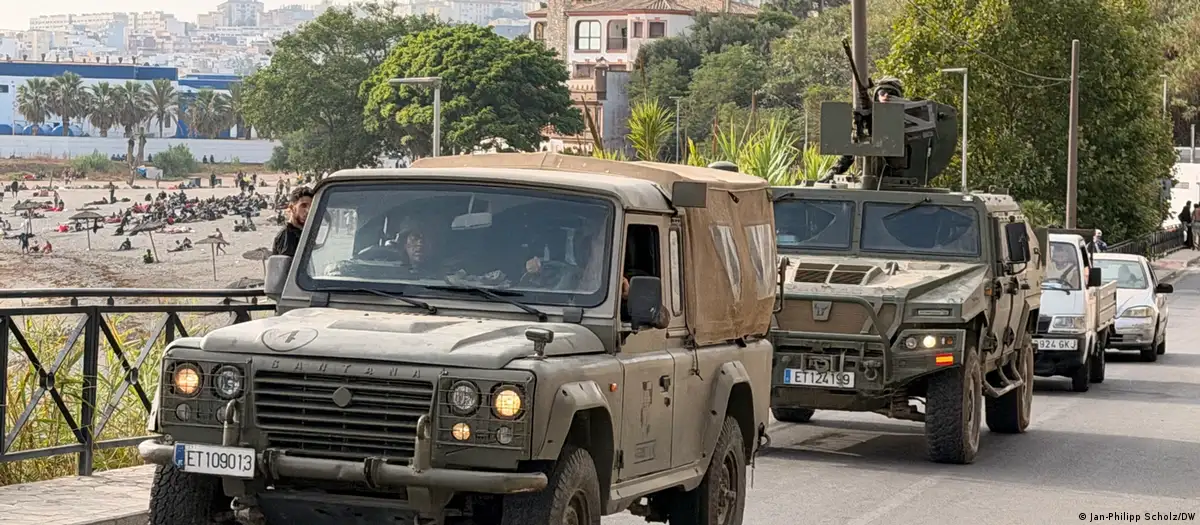
Spanish Prime Minister Pedro Sánchez said authorities had regained full control of the border within 48 hours, repatriated the vast majority of migrants who crossed irregularly and prevented unauthorized movement to mainland Spain and the rest of Europe.
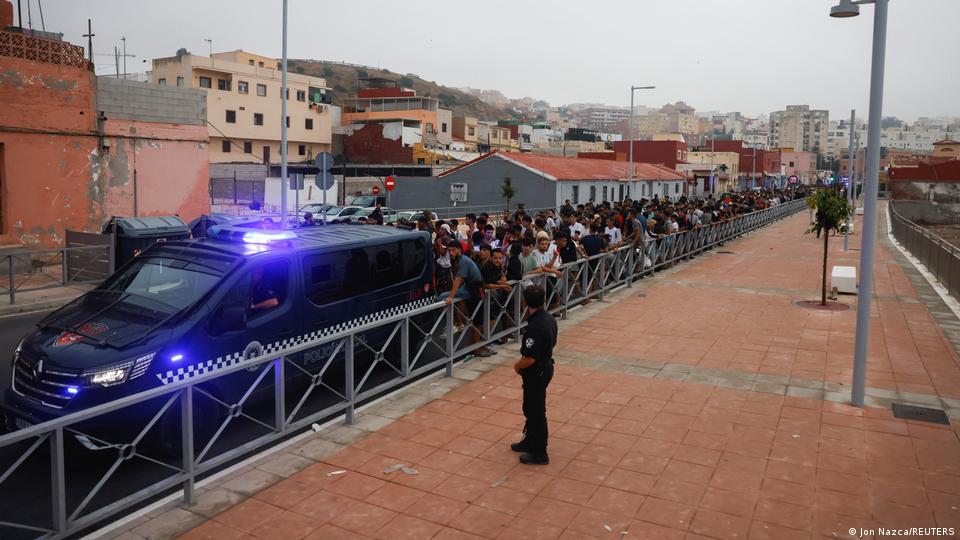
Sánchez stressed that the operation was carried out in close cooperation with Moroccan authorities and reaffirmed that irregular entry into Ceuta does not grant migrants the right to remain in Spain, travel to the Spanish mainland or move freely within the Schengen Area.
He also criticized what he described as a lack of solidarity from some European partners, calling for an emergency video conference of European Union interior ministers to coordinate a collective response to the crisis.
The call gained broad support, with 22 of the EU’s 27 member states requesting urgent talks aimed at strengthening cooperation, improving border management and preventing further irregular crossings.
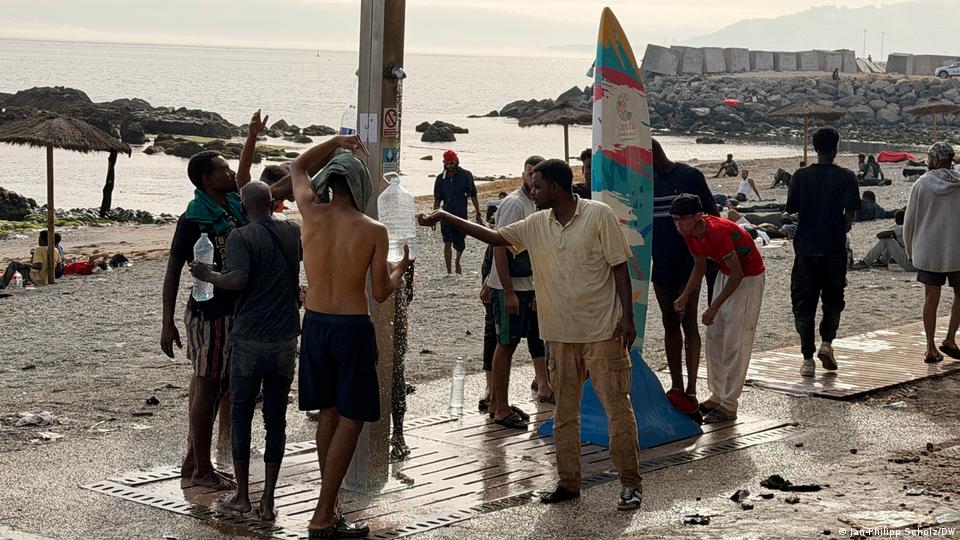
Despite official statements that the situation is largely under control, tensions remained high in Ceuta on Saturday. Reports from the enclave indicated that security forces continued to deal with scattered confrontations involving migrants, while thousands remained in temporary reception areas awaiting repatriation.
Spanish authorities have also begun installing a 500-metre floating sea barrier along Ceuta’s maritime border with Morocco. The new barrier is designed to prevent migrants from swimming around existing border fences, a route used by many during the recent mass crossings.
Meanwhile, thousands of migrants have begun returning to Morocco by bus and train through arrangements coordinated by Moroccan authorities, although some migrants have expressed a desire to remain in Ceuta despite limited access to food, shelter and basic services.
The Ceuta migration surge has sparked renewed debate within the European Union over border security, migration management and the future of the Schengen free movement system, while EU leaders continue efforts to forge a coordinated response to one of the bloc’s most significant migration challenges in recent years.