UAE eyes India’s BrahMos missile in potential landmark defense deal
A UAE order for BrahMos missiles would ‘validate Indian weapons in a highly competitive market’, analysts say
- The discussions come amid heightened regional security concerns following recent tensions involving Iran, during which missile and drone attacks targeted parts of the Gulf region. Although many threats were intercepted, the incidents highlighted the need for stronger and more diversified air defense systems.
- If concluded, the UAE agreement would represent not only a major commercial success for India’s defense industry but also a strategic shift in Gulf defense procurement, reflecting a broader move toward diversified security partnerships in an increasingly uncertain geopolitical environment.
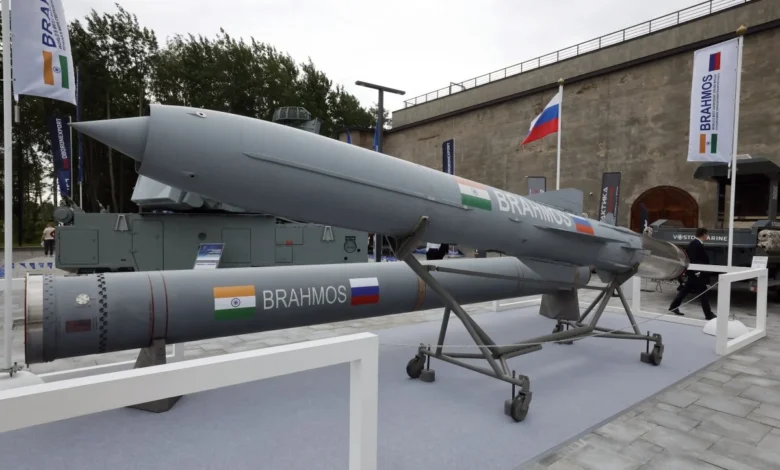
The United Arab Emirates is in early discussions with India over the possible purchase of the BrahMos supersonic cruise missile, a move that analysts say could mark a major milestone in India’s ambition to become a leading global defense exporter.
According to international media reports, negotiations also include the possible acquisition of Akashteer, India’s automated air-defense command-and-control system. While no agreement has been signed and talks remain at an early stage, defense experts believe a deal would carry significant strategic and commercial importance for both countries.

Jointly developed by India and Russia, the BrahMos missile is capable of being launched from land, sea, and air platforms. It can travel at speeds of up to Mach 3, making it one of the world’s fastest operational supersonic cruise missiles.
Military analysts say a successful agreement with the UAE would strengthen India’s transition from one of the world’s largest arms importers into an emerging defense exporter.
Former Indian Army Lieutenant General A.B. Shivane said the UAE’s interest reportedly extends beyond BrahMos to include India’s Akash surface-to-air missile system, Pinaka multi-barrel rocket launchers, precision-guided munitions, drones, and related defense equipment.
Experts believe a UAE purchase would validate Indian-made weapons in one of the world’s most competitive defense markets. The UAE is already equipped with advanced American and European military systems, making any decision to acquire Indian technology a significant endorsement of its capabilities.
India and the UAE have steadily expanded defense cooperation in recent years through joint military exercises, intelligence sharing, cybersecurity collaboration, and broader strategic partnerships. Analysts also see opportunities for future joint defense manufacturing under existing bilateral agreements.
The discussions come amid heightened regional security concerns following recent tensions involving Iran, during which missile and drone attacks targeted parts of the Gulf region. Although many threats were intercepted, the incidents highlighted the need for stronger and more diversified air defense systems.
Security analysts say the UAE is seeking to reduce dependence on traditional Western defense suppliers while strengthening protection of critical infrastructure and strategic shipping routes, including the Strait of Hormuz.
A deal with the UAE could also encourage other Gulf and Middle Eastern countries to consider Indian defense products, expanding New Delhi’s presence in international arms markets.
India’s defense exports have grown rapidly in recent years, reaching a record US$4.11 billion during the last financial year. The country has already exported BrahMos missile systems to the Philippines and is reported to have secured additional defense agreements with Vietnam.
Industry experts say competitive pricing, reliable delivery, training, and long-term maintenance support will be crucial if India hopes to establish itself as a trusted supplier in the global defense market.
If concluded, the UAE agreement would represent not only a major commercial success for India’s defense industry but also a strategic shift in Gulf defense procurement, reflecting a broader move toward diversified security partnerships in an increasingly uncertain geopolitical environment.