Iran today (Friday) strongly condemned the joint statement issued following the US-Gulf Cooperation Council ministerial meeting in Bahrain, describing the communique as “interventionist, irresponsible, and provocative,” amid escalating regional tensions and ongoing diplomatic negotiations.
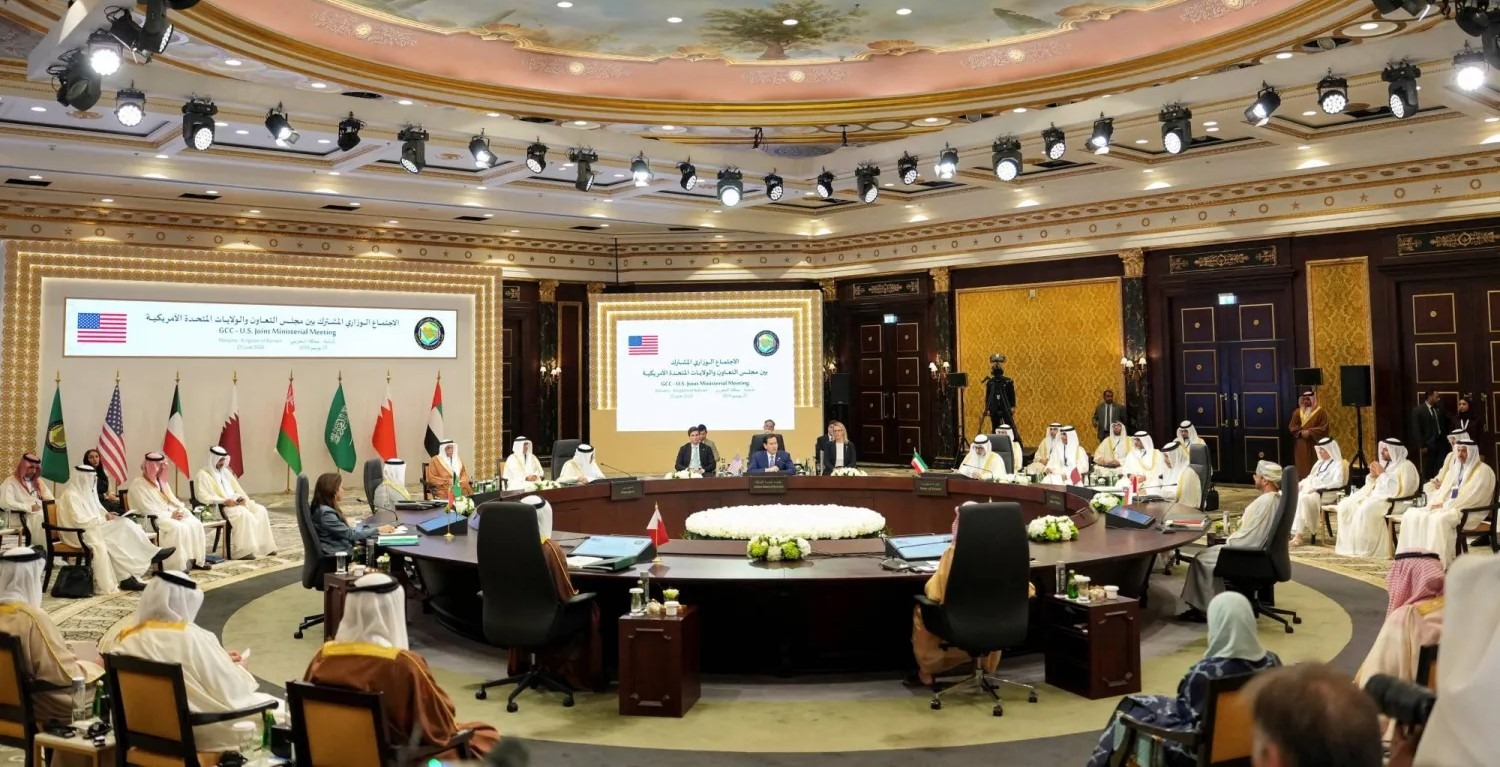
In a statement, the Iranian Foreign Ministry criticized positions outlined during the meeting between U.S. Secretary of State Marco Rubio and GCC foreign ministers held in Manama on June 25, accusing Washington and its regional allies of pursuing policies that undermine regional stability and security.
Tehran dismissed the United States’ repeated assurances regarding its commitment to Gulf security as “mere rhetoric,” arguing that the continued American military presence in the region has become a source of instability and division rather than protection.
The ministry claimed that recent U.S. and Israeli military operations against Iran, allegedly launched using facilities and bases in regional countries, demonstrated that Washington does not genuinely prioritize the security interests of its Gulf partners, news agencies reports.
Iran urged regional states to reconsider their strategic positions, stressing that countries hosting foreign military facilities bear responsibilities under international law and the principle of good neighborliness to prevent their territories from being used for hostile actions against neighboring states.
Tehran also rejected allegations concerning its nuclear activities, insisting that its nuclear program remains peaceful and accusing the United States and Israel of fabricating claims to increase pressure on Iran.
The statement called on GCC countries to cooperate with Tehran in establishing a nuclear weapons-free zone in the middle East, while firmly defending Iran’s missile and drone capabilities as essential components of national sovereignty and deterrence.
Iran further criticized references in the US-GCC statement describing Palestinian and Lebanese armed factions as “Iranian proxies,” arguing that Israel remains the only true “proxy” force operating in the region.
On the issue of the Strait of Hormuz, Tehran blamed recent tensions and disruptions on U.S. and Israeli military actions, while accusing certain regional states of complicity.
Iran reiterated that the strategic waterway falls within the territorial jurisdiction of Iran and Oman and stated that future navigation arrangements would be governed by provisions outlined in the recently signed memorandum of understanding aimed at ending hostilities.
The Iranian Foreign Ministry stressed that lasting regional stability can only be achieved through cooperation among regional countries without foreign interference, calling on Gulf states to adopt a new collective security framework independent of external powers.
The sharp Iranian response came a day after the United States and GCC member states issued a joint statement emphasizing the importance of maintaining free and unrestricted navigation through the Strait of Hormuz, describing the waterway as vital to both regional and global security.