Kuwait advances fish farming push to strengthen food security, cut imports
Aquaculture expansion targets self-sufficiency as local supply meets just 15 percent of demand
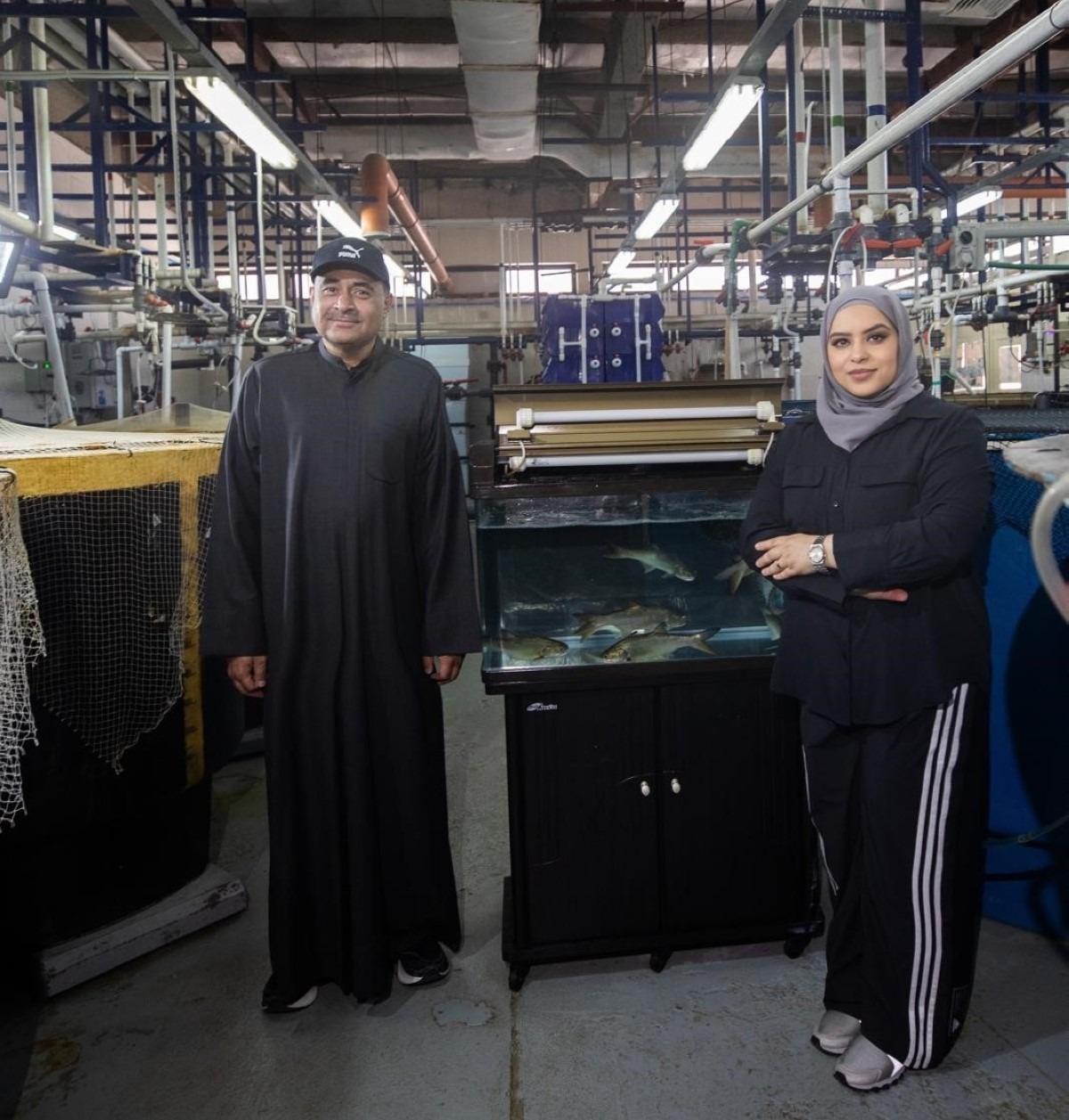
Kuwait is stepping up efforts to strengthen food security through aquaculture, as the Kuwait Institute for Scientific Research moves to establish a model fish farming site in Salmiya aimed at attracting private sector investment.
According to Dr. Amani Al-Yaqout, the initiative will showcase farmed species, outline production costs, and offer specialized training programs to equip companies with modern fish breeding techniques and appropriate feeding systems.
The project will operate under the institute’s supervision, positioning KISR as a key supporter of private sector participation in aquaculture. It will also function as a supply hub, providing investors with young fish, crabs, and crustaceans, thereby lowering entry barriers and encouraging wider adoption of fish farming as a viable economic activity, reports Al-Rai daily.
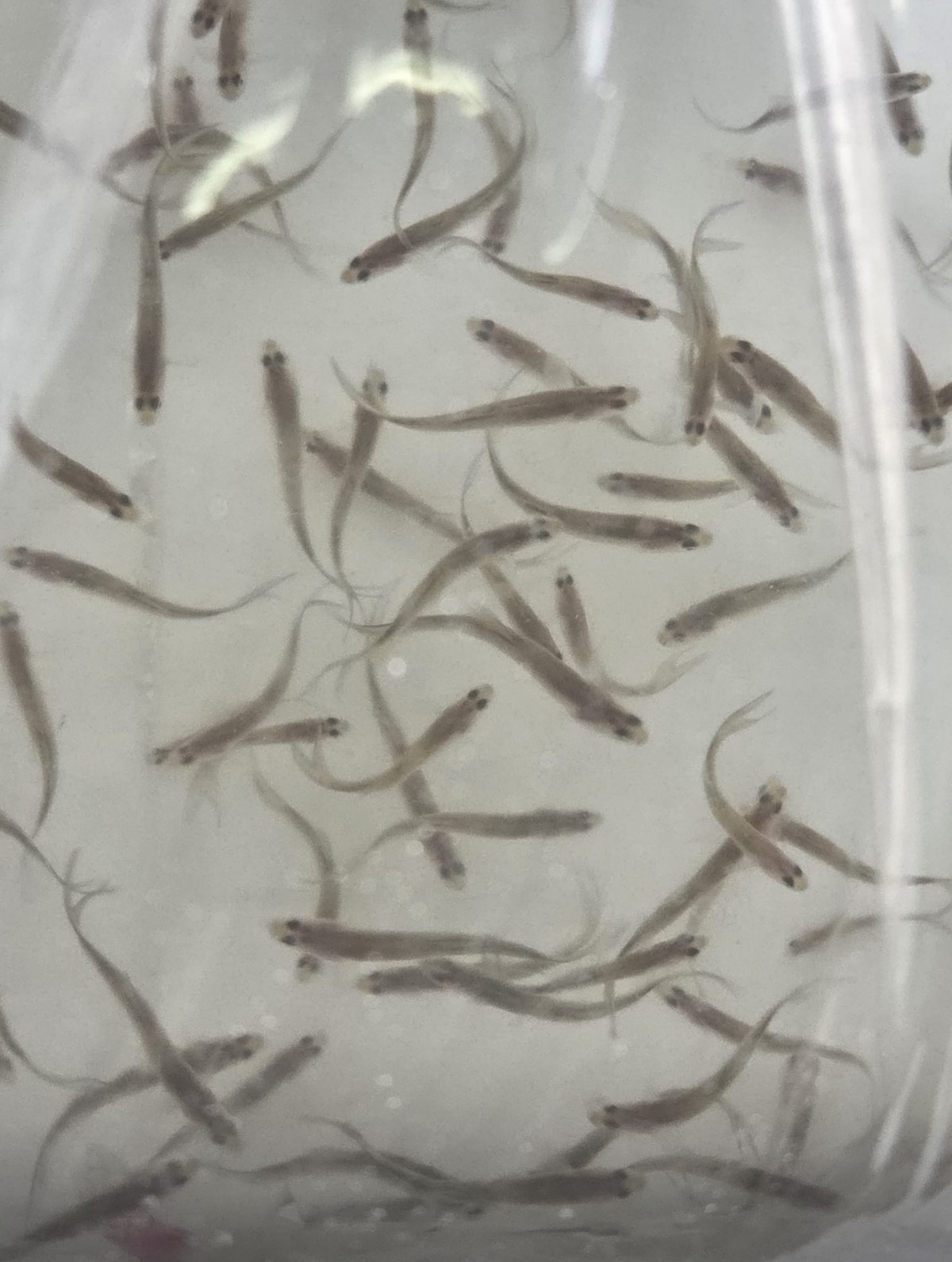
Al-Yaqout explained that the initiative is built on two parallel tracks: scientific research and field application within farms. The aim is to expand production and diversify species to include meagre, sheem, zubaidi, seabass, and selected types of salmon, along with crustaceans used in pharmaceutical industries.
Despite the currently limited number of farms, the institute has already succeeded in improving aquaculture output.
The project is supported by international collaboration with partners in Australia, Europe, and Gulf countries, focusing on preserving marine ecosystems and protecting fish stocks.
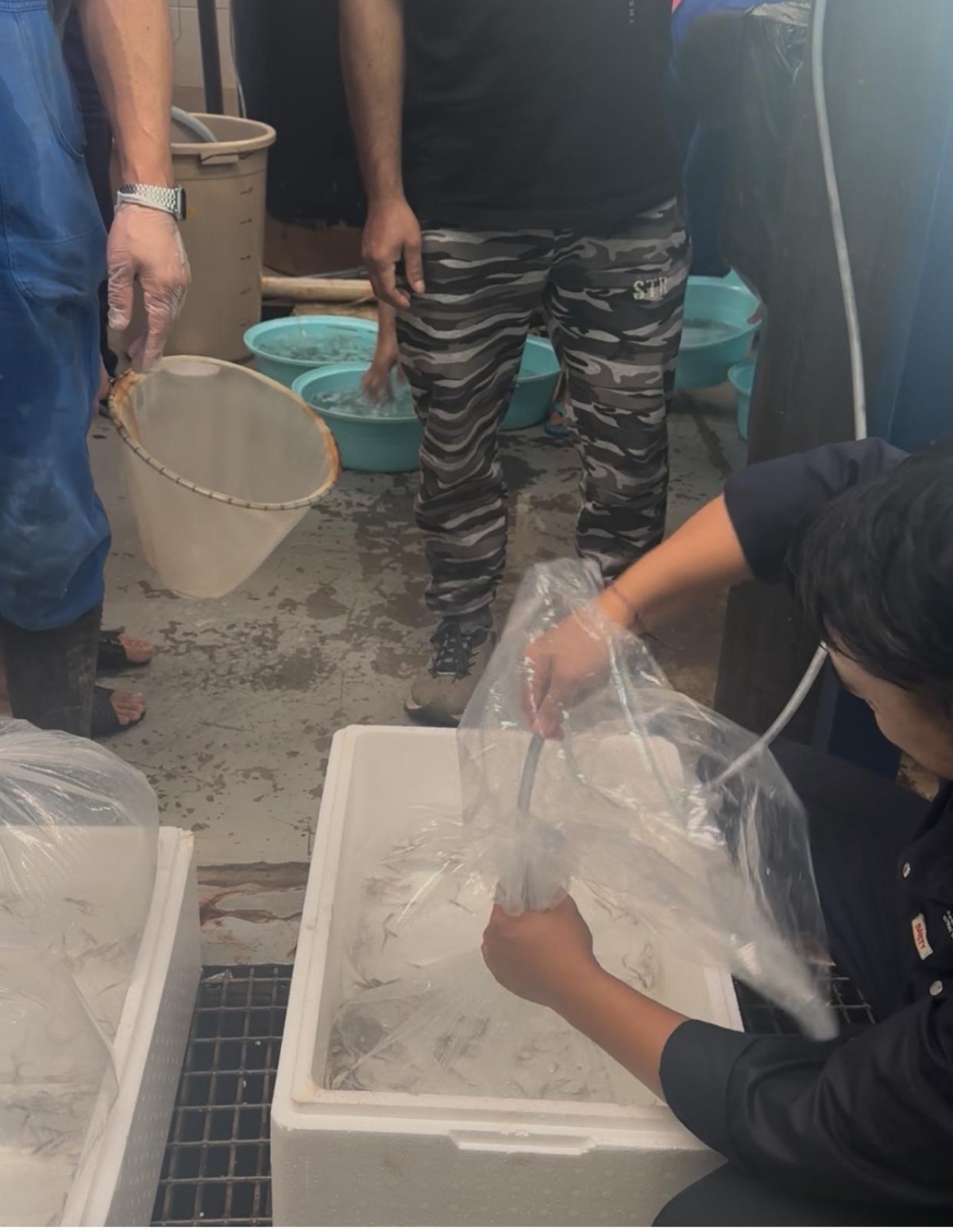
KISR has also developed aquaculture technologies tailored to Kuwait’s environment, supported by detailed cost studies and scientifically managed breeding systems that enhance survival and growth rates.
Al-Yaqout highlighted that sustainable fish farming depends on several critical factors, including the availability of high-quality fingerlings with strong survival rates, and the reduction of feed costs, which account for nearly 50 percent of total production expenses.
She stressed the importance of continuous supply, selecting disease-free, genetically strong broodstock, and ensuring that each species receives tailored nutrition.
The project’s core process involves producing fertilized eggs, raising larvae, and nurturing them to the fingerling stage before reaching commercial size.
KISR achieved a regional milestone in February 2023 by successfully producing fish at commercial scale, and has since continued development by cultivating high-quality broodstock in controlled environments and optimizing feeding systems until fish reach approximately 200 grams.
Recent expansion has seen the production of around 30,000 fish of a single species, which were supplied to private companies for further growth and sale in the local market. However, Al-Yaqout noted that local production currently meets only 15 percent of Kuwait’s seafood demand, with 85 percent still imported, driving up prices and exposing the market to external risks, including overfishing pressures.
To address this gap, KISR has proposed the establishment of an integrated aquaculture complex in Barghadi, spanning 100,000 square meters with an annual production capacity of 1,200 tons.
Building on successful farming operations in Kabd, the project represents a strategic step toward reducing import dependence, stabilizing prices, and reinforcing Kuwait’s long-term food security.