With Iran peace talks stalled and shipping through the Strait of Hormuz disrupted, another vital trade route is back in focus. Climate stress, congestion and geopolitics are putting the Panama Canal under renewed global scrutiny.
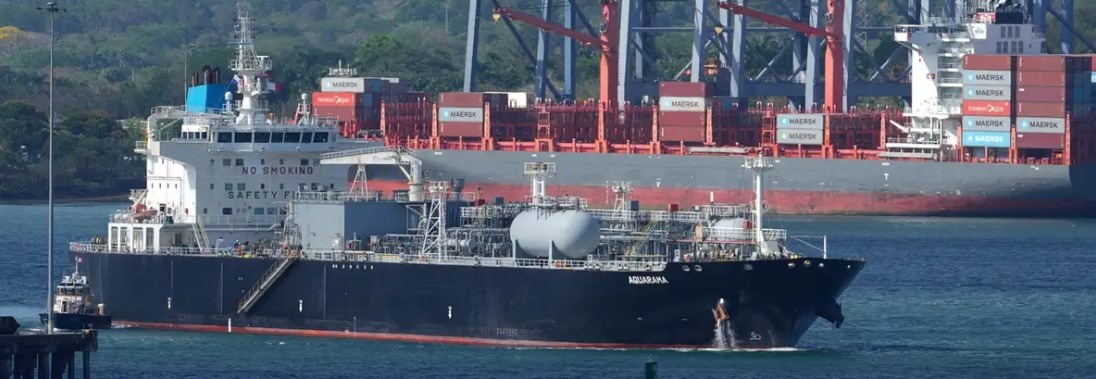
The Panama Canal, which handles about 5% of global maritime trade, has emerged as a new flashpoint in rising geopolitical tensions, with the United States and China exchanging accusations over influence in the strategic waterway.
Washington and several regional allies have accused Beijing of detaining Panama-flagged vessels in Chinese ports, describing the move as an attempt to politicize maritime trade and undermine regional sovereignty, according to international news agencies.
China has strongly denied the claims, calling them unfounded and countering that the United States itself has a history of interfering in Panama’s affairs.
Panama’s leadership has responded cautiously, welcoming international support while avoiding escalation and reaffirming its commitment to maintaining balanced relations with all countries.
Analysts warn that any disruption to canal operations, even temporarily, could have far-reaching consequences, including supply chain bottlenecks, rising costs, market volatility, and inflationary pressures, given the canal’s critical role in global trade flows.
The dispute comes amid broader instability in global shipping routes, particularly with ongoing tensions in the Strait of Hormuz, highlighting increasing competition among major powers over control of key maritime corridors.
The current crisis follows Panama’s decision earlier this year to cancel a major port concession linked to a Hong Kong-based company, a move that came amid sustained US pressure to limit Chinese influence around the canal.
With geopolitical rivalry intensifying, the situation underscores growing concerns that strategic trade routes are becoming arenas for global power competition, raising risks for international commerce and economic stability.