- Iran has firmly denied that any direct negotiations with US officials are on the agenda. Iranian Foreign Minister Abbas Araghchi, who arrived in Islamabad a day earlier, has instead been holding talks with Pakistani mediators.
- Tehran’s foreign ministry reiterated that engagement with the United States is not currently planned, with state media emphasizing that “there are no negotiations with the Americans on the agenda.”
- Iranian Foreign Ministry spokesman Esmaeil Baghaei says there are no plans to hold any meeting between Iran and the US in Islamabad, and we will inform Pakistan of our remarks. He also adds that Araghchi will meet Pakistani officials as part of their mediation to end the war.
- US President Donald Trump added to the ambiguity, stating that Iran is expected to present an offer to Washington, though he acknowledged he had yet to receive details. Just days earlier, Trump pointed to uncertainty within Iran’s leadership as a key obstacle slowing progress toward a resolution.
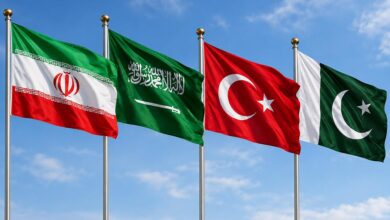
Fresh diplomatic efforts to ease tensions between Washington and Tehran are set to unfold in Pakistan this weekend, as senior US envoys prepare to arrive in Islamabad amid conflicting signals over whether direct talks with Iran will actually take place.
According to the White House, key envoys including Steve Witkoff and Jared Kushner are expected to land in Pakistan today (Saturday) to participate in what officials described as a new round of peace discussions with Iranian counterparts.
The development has raised cautious hopes of a breakthrough, with Washington noting “some progress” in recent communications.
However, uncertainty continues to overshadow the initiative, CNN reports.
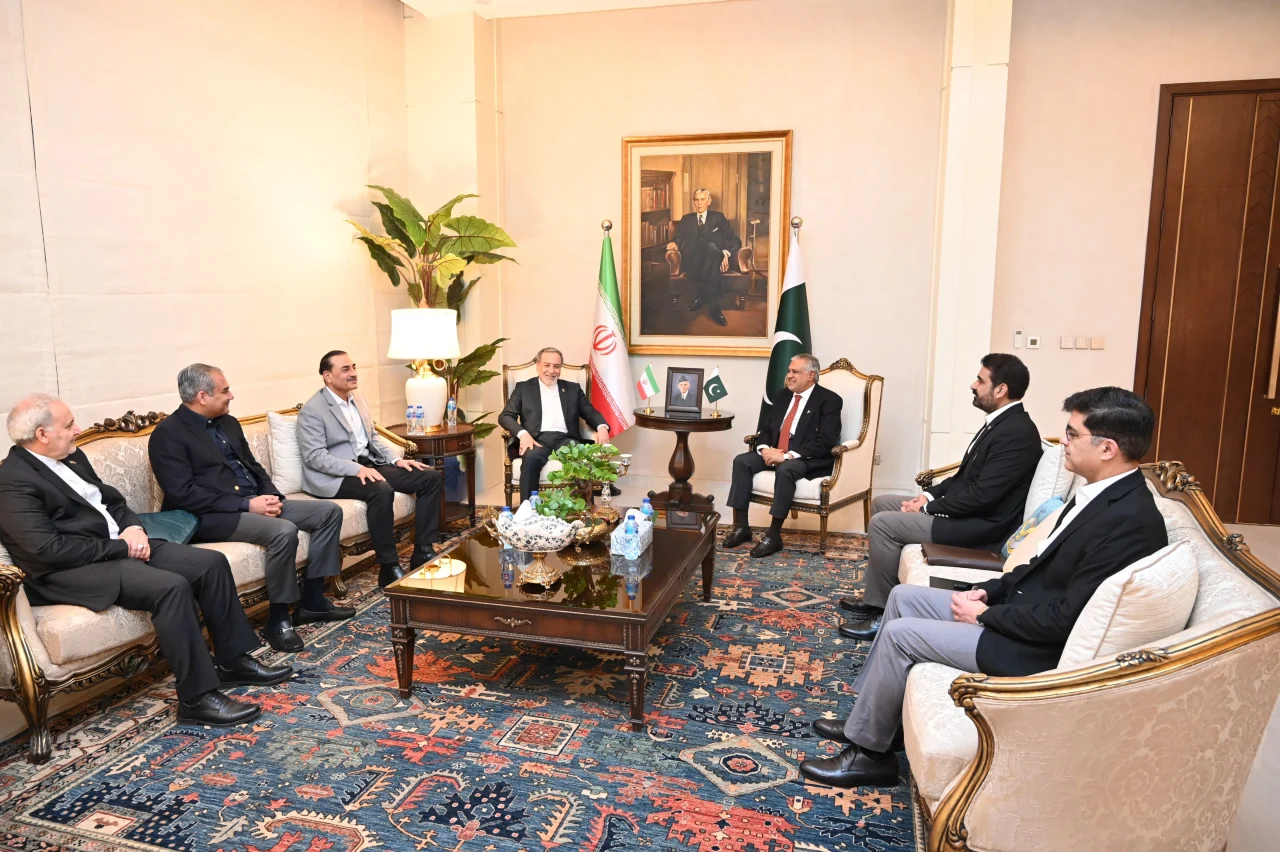
Iran has firmly denied that any direct negotiations with US officials are on the agenda. Iranian Foreign Minister Abbas Araghchi, who arrived in Islamabad a day earlier, has instead been holding talks with Pakistani mediators.
Tehran’s foreign ministry reiterated that engagement with the United States is not currently planned, with state media emphasizing that “there are no negotiations with the Americans on the agenda.”
The mixed messaging reflects the fragile and complex nature of ongoing diplomatic efforts, where indirect channels and backdoor mediation remain the primary tools for engagement.
Iranian Foreign Ministry spokesman Esmaeil Baghaei says there are no plans to hold any meeting between Iran and the US in Islamabad, and we will inform Pakistan of our remarks. He also adds that Araghchi will meet Pakistani officials as part of their mediation to end the war.
US President Donald Trump added to the ambiguity, stating that Iran is expected to present an offer to Washington, though he acknowledged he had yet to receive details. Just days earlier, Trump pointed to uncertainty within Iran’s leadership as a key obstacle slowing progress toward a resolution.
The stakes remain high as tensions continue to ripple across the region. In Lebanon, the security situation remains volatile despite a recently extended ceasefire.
Israeli Prime Minister Benjamin Netanyahu has vowed to continue targeting what he described as emerging threats, accusing Iran-backed Hezbollah of attempting to undermine the fragile truce.
Diplomatic observers say Pakistan’s role as a neutral intermediary could prove critical, offering a rare platform where both sides can engage, whether directly or indirectly, at a moment when regional stability hangs in the balance.
For now, all eyes remain on Islamabad, where even the possibility of dialogue, however uncertain, signals a tentative step toward de-escalation in one of the world’s most volatile geopolitical flashpoints.