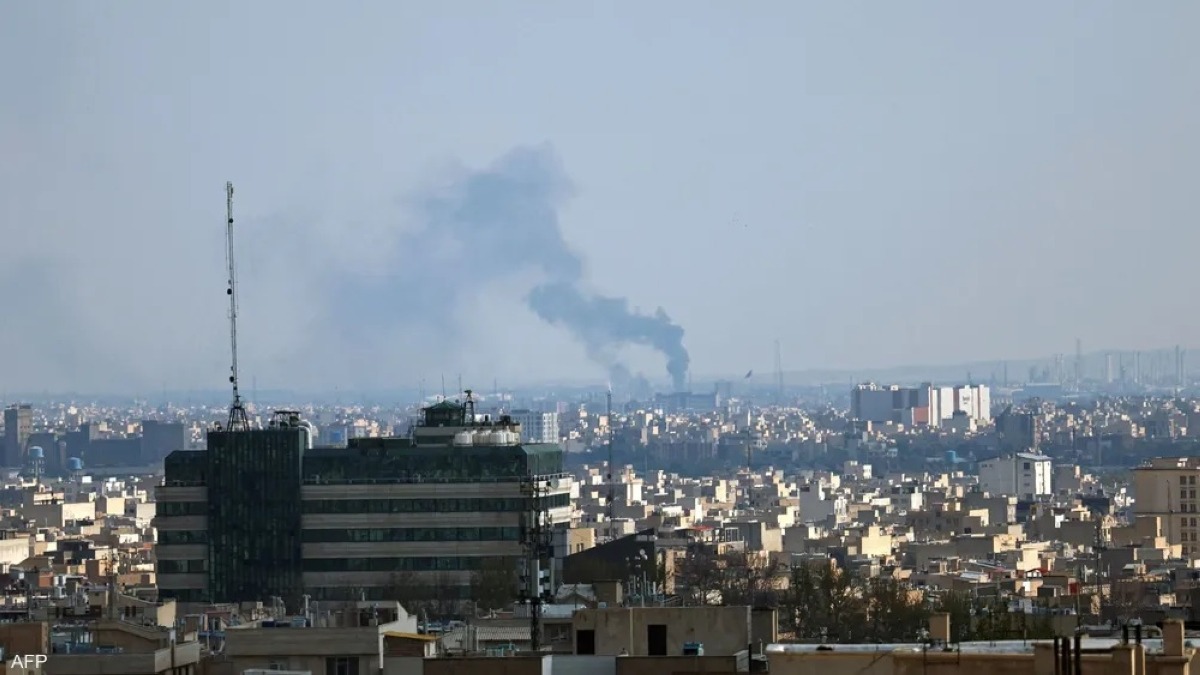
- Israeli assessments suggest the conflict is likely to escalate through intensified airstrikes on sensitive Iranian infrastructure rather than a ground invasion.
- The post-deadline phase is expected to focus on retaliatory air operations, marking a shift in strategy rather than full-scale land warfare.
- Any Iranian attack on Israel, US forces, Gulf states, or the Strait of Hormuz would trigger strikes on Iran’s critical infrastructure, especially energy facilities.
- The United States is currently assessed as preferring airpower-based responses and does not see a need for ground operations.
- Israeli intelligence sources believe Iran’s internal situation is deteriorating due to economic strain, political erosion, and possible fragmentation within security forces.
- Israel expects negotiations between Tehran and Washington to fail, while maintaining readiness for strikes on Iranian energy infrastructure if authorized.
Israeli assessments suggest that despite escalating rhetoric, including threats attributed to US President Donald Trump, the expected trajectory of the conflict is not a large-scale ground invasion, but a gradual intensification of strikes targeting increasingly sensitive Iranian infrastructure.
According to Israeli analyst Anna Barsky of Maariv, the anticipated post-deadline phase (following Trump’s Tuesday–Wednesday GMT ultimatum) is likely to focus on retaliatory air operations rather than ground forces, marking a shift in strategy rather than escalation into full-scale land warfare, reports Al-Rai daily.
Israeli officials believe that any Iranian attack on Israel, US forces, Gulf states, or disruption of navigation in the Strait of Hormuz would trigger strikes on critical Iranian infrastructure, particularly energy facilities, which so far have largely been spared from direct targeting.
While energy infrastructure has not been a primary target until now, Israeli assessments indicate this restraint could change immediately if Tehran takes further hostile action after the deadline expires.
Meanwhile, Trump has intensified his public messaging, warning of strikes on Iranian infrastructure and threatening severe consequences if Tehran does not comply, including reopening the Strait of Hormuz, reinforcing perceptions in Israel that the deadline marks a critical escalation point.
Israeli intelligence sources argue that the United States does not currently see a need for ground operations, instead favoring airpower-based responses, particularly in scenarios involving Iranian internal unrest or actions by security forces such as the Basij.
Some Israeli assessments also suggest that Iran’s internal situation is deteriorating more severely than publicly visible, citing economic strain, political erosion, and a gradual weakening that predates the current conflict but has been accelerated by it.
Reports also indicate possible fragmentation within Iran’s security apparatus, including alleged quiet defections within the Revolutionary Guard and army ranks, although information remains limited due to communication disruptions and internet restrictions inside Iran.
Israeli analysts further argue that while the regime can still suppress dissent and mobilize nationalist sentiment during wartime, the post-conflict phase could be far more dangerous, potentially triggering widespread internal unrest as economic hardship and reconstruction challenges become apparent.
Regarding the Strait of Hormuz, Israeli assessments warn that any Iranian attempt to use the waterway as leverage could provoke a strong response, with Washington reportedly unwilling to risk military lives or “pay” for freedom of navigation arrangements.
Israeli officials also expect negotiations between Tehran and Washington to fail, though uncertainty remains over whether this breakdown would lead to intensified strikes on Iranian infrastructure or renewed diplomacy under Trump’s extended deadline.
Military preparations are reportedly already in place, with Israel maintaining a pre-identified target bank for potential coordinated strikes on Iranian energy and infrastructure sites if authorized by Washington.
Despite expectations of escalation, Israeli political sources say Benjamin Netanyahu is also preparing for a scenario in which Iran shows flexibility and agrees to a ceasefire, while acknowledging that ongoing Israeli strikes aim to increase economic pressure on Tehran.