Kuwait promotes integrated medical approach to treat obesity
. . . focuses on comprehensive, patient-centered treatment
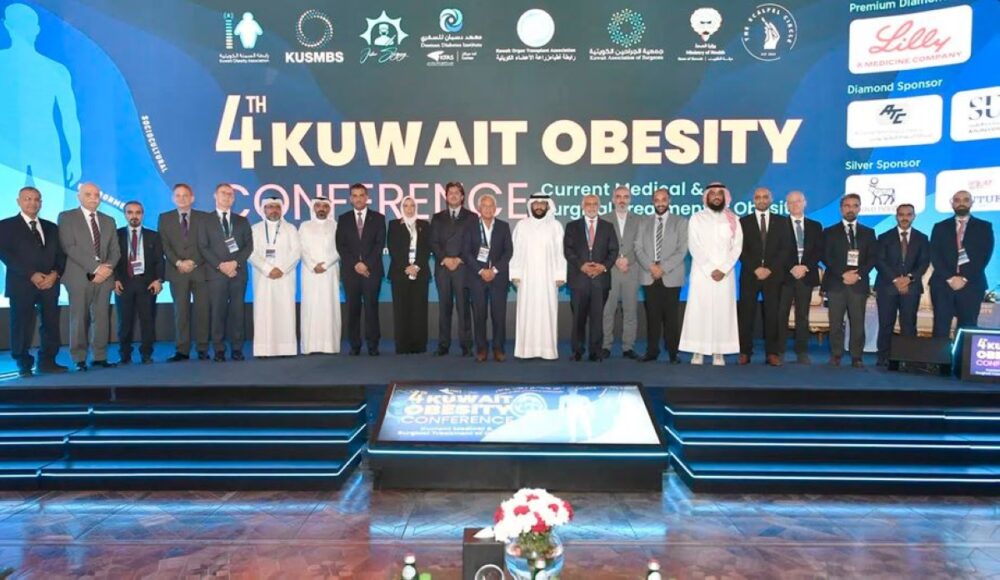
- Obesity treatment should not be limited to surgical procedures, but must follow an integrated medical plan based on an accurate assessment of each patient’s condition — Sheikh Dr Salman Khalifa Al-Sabah
- Around 75 percent of Kuwait’s population affected by overweight and obesity
Kuwait is stepping up its focus on comprehensive obesity care, with the Ministry of Health stressing the importance of combining advanced medical technologies, modern medications, surgery and long-term patient monitoring to ensure safer and more effective treatment.
Undersecretary of the Ministry of Health Sheikh Dr Salman Khalifa Al-Sabah said obesity treatment should not be limited to surgical procedures, but must follow an integrated medical plan based on an accurate assessment of each patient’s condition, selection of the appropriate treatment and continued follow-up.
Speaking at the opening of the Fourth Kuwait Obesity Conference, titled “Medical and Surgical Developments in the Treatment of Obesity”, he said the priority was to maintain patient safety while achieving lasting improvements in health. The two-day conference brings together surgeons, doctors, nutritionists, mental health specialists and family medicine practitioners from Kuwait and abroad.
Sheikh Dr Salman noted that obesity surgery remains an important treatment option for patients whose medical conditions require surgical intervention. However, advances in drug treatments, particularly medicines targeting the GLP-1 pathway, have expanded the available options. He stressed that medication should form part of a broader treatment program that includes medical supervision, proper nutrition and physical activity.
Highlighting the global scale of the problem, he cited World Health Organization estimates indicating that one in seven people worldwide lives with obesity. Around 940 million adults are affected, accounting for approximately 16 percent of the global adult population.
Conference chairman Dr Shehab Krouf said tackling obesity requires cooperation among different medical specialties, including nutrition, internal medicine, family medicine, mental health and surgery.
He said the Nutrition and Food Administration’s monitoring program estimates that around 75 percent of Kuwait’s population is affected by overweight and obesity. The figures cited by the conference chairman put the prevalence at 30 percent among men and 35 percent among women.
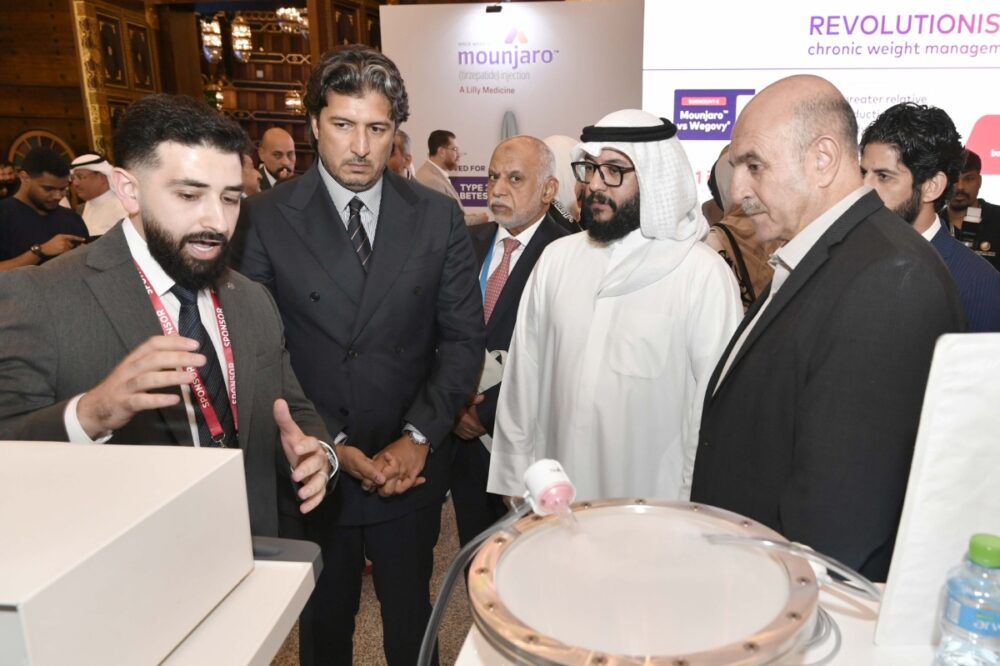
Dr Krouf proposed launching a national initiative through the government’s unified electronic services application, Sahel, to collect height and weight data and calculate body mass index (BMI). Mapping these indicators geographically, he said, could help authorities identify areas with greater healthcare needs, plan the distribution of primary healthcare centers and specialized clinics, and reduce future financial pressures on the health system.
He also highlighted Kuwait’s efforts to develop specialized obesity care, recalling the establishment of the country’s first national registry for obesity surgery cases in 2018, during Sheikh Dr Salman Al-Sabah’s presidency of the Kuwaiti Surgeons Association. The registry has since served as a reference for scientific research and government hospitals.
The conference program covers developments in obesity surgery, training on modern surgical stapling devices, the safe use of medications and discussions on standards for surgical procedures and prescribing obesity treatments.