Can AI replace human creativity? Egyptian cultural seminar explores the future of literature
- Prominent Egyptian and Kuwaiti critics and intellectuals discuss the relationship between writers, readers and literary critics, while examining the impact of artificial intelligence on creativity
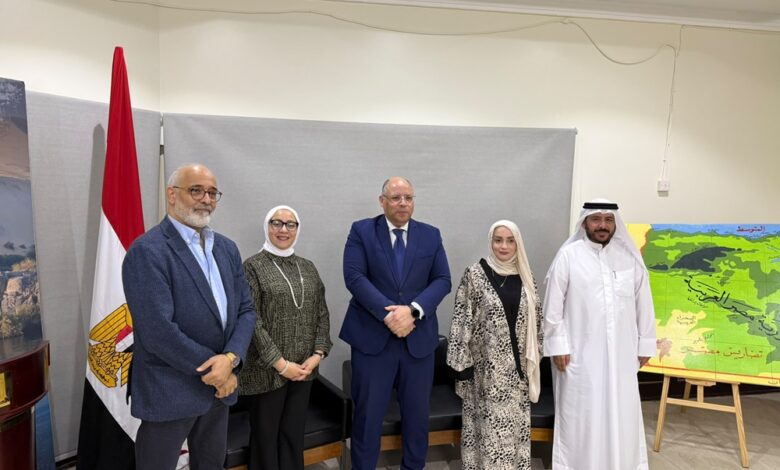
The Egyptian Cultural Office in Kuwait organized a literary seminar on Saturday, October 31, 2026, titled “What Does a Critic See in a Novel? Between the Reader’s Perspective, the Critic’s Tools and the Writer’s Creativity.” The event was held under the patronage and in the presence of Egypt’s Ambassador to Kuwait, Mohamed Gaber Abou El-Wafa.
The seminar was the second event of its kind launched by the Egyptian Cultural Office. The initiative aims to provide a platform for dialogue and the exchange of ideas among Egyptian and Kuwaiti intellectuals, creative professionals and literary enthusiasts in Kuwait, while addressing contemporary cultural issues.
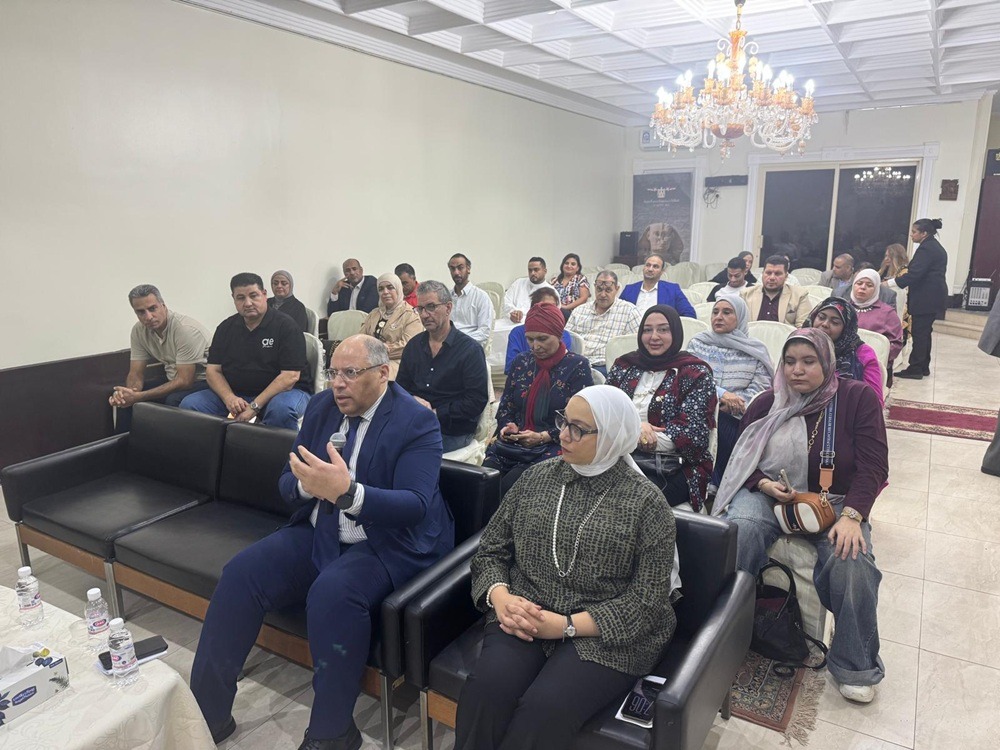
The discussion featured Dr. Ayman Bakr, Professor of Criticism and Literature at Gulf University for Science and Technology; literary critic Dr. Jehan El-Demerdash; and critic and writer Dr. Barak Al-Qaiet.
The speakers examined the relationship between writers, readers and critics, the tools used in literary criticism to analyze novels, and the role of criticism in uncovering the intellectual, aesthetic and symbolic dimensions of literary works.
Dr. Barak Al-Qaiet discussed the distinction between critical reading and impressionistic reading, the criteria for assessing the importance of a novel’s subject and the quality of its artistic treatment, and the influence of personal taste on literary judgment.
He also highlighted ways to develop readers’ critical awareness, enabling them to move beyond simply following a novel’s events and characters towards understanding its artistic structure and deeper meanings.
Dr. Ayman Bakr examined the role of cultural criticism in revealing the social and intellectual patterns and power relationships embedded in novels, while preserving their artistic identity. He also stressed the importance of developing an Arab critical discourse that combines academic rigour with the ability to communicate with general readers, particularly amid the transformations taking place in the forms, techniques and themes of contemporary Arabic fiction.
Dr. Jehan El-Demerdash discussed the influential literary figure of Naguib Mahfouz, exploring the significance of fictional characters and their impact on the literary experience.
In his remarks, Ambassador H.E. Abou El-Wafa said the seminar’s title raised an important question about the relationship between the writer, reader and critic. He explained that writers produce literary works shaped by their human experiences, cultural backgrounds, imagination and creativity, while readers interpret texts through the lens of their own knowledge and personal experiences. Critics, meanwhile, use analytical tools to uncover the intellectual, aesthetic and symbolic dimensions of literary works.
He described the critic as a partner in discovering the meanings of literary works and opening new avenues for their understanding and interpretation.
The ambassador noted that the issue had become increasingly important amid rapid technological advances, particularly the unprecedented development of artificial intelligence applications, which are no longer limited to analyzing texts but can also produce literary and fictional works and imitate different literary styles.
He raised the question of whether artificial intelligence could become a genuine creative force or merely imitate creativity without possessing the human experience that gives literature its depth and spirit. He stressed the importance of exploring ways to use AI in support of human creativity without allowing it to become a substitute for it.
The seminar witnessed active participation from attendees, whose questions and contributions enriched the discussions and reflected growing interest in literary criticism, its relationship with fiction writing and the challenges facing the critical movement amid current cultural and technological transformations.
The discussions produced several recommendations, foremost among them the need for writers to remain open to literary criticism and use it to develop their creative experiences, recognizing criticism as a means of improving and elevating literary works rather than merely passing judgment on them.
Participants also stressed that critics should adhere to established scientific and objective critical methodologies and avoid personal biases and affiliations that could undermine the integrity and impartiality of literary assessments.
The seminar further called on cultural and academic institutions to support and strengthen the Arab literary criticism movement by developing its methodologies and tools.
It emphasized the need to establish an independent Arab school of criticism rooted in the distinctive characteristics of Arab culture and its creative experiences, while drawing consciously on international critical schools rather than simply adopting their approaches without adapting and developing them to suit the region’s cultural and literary realities.