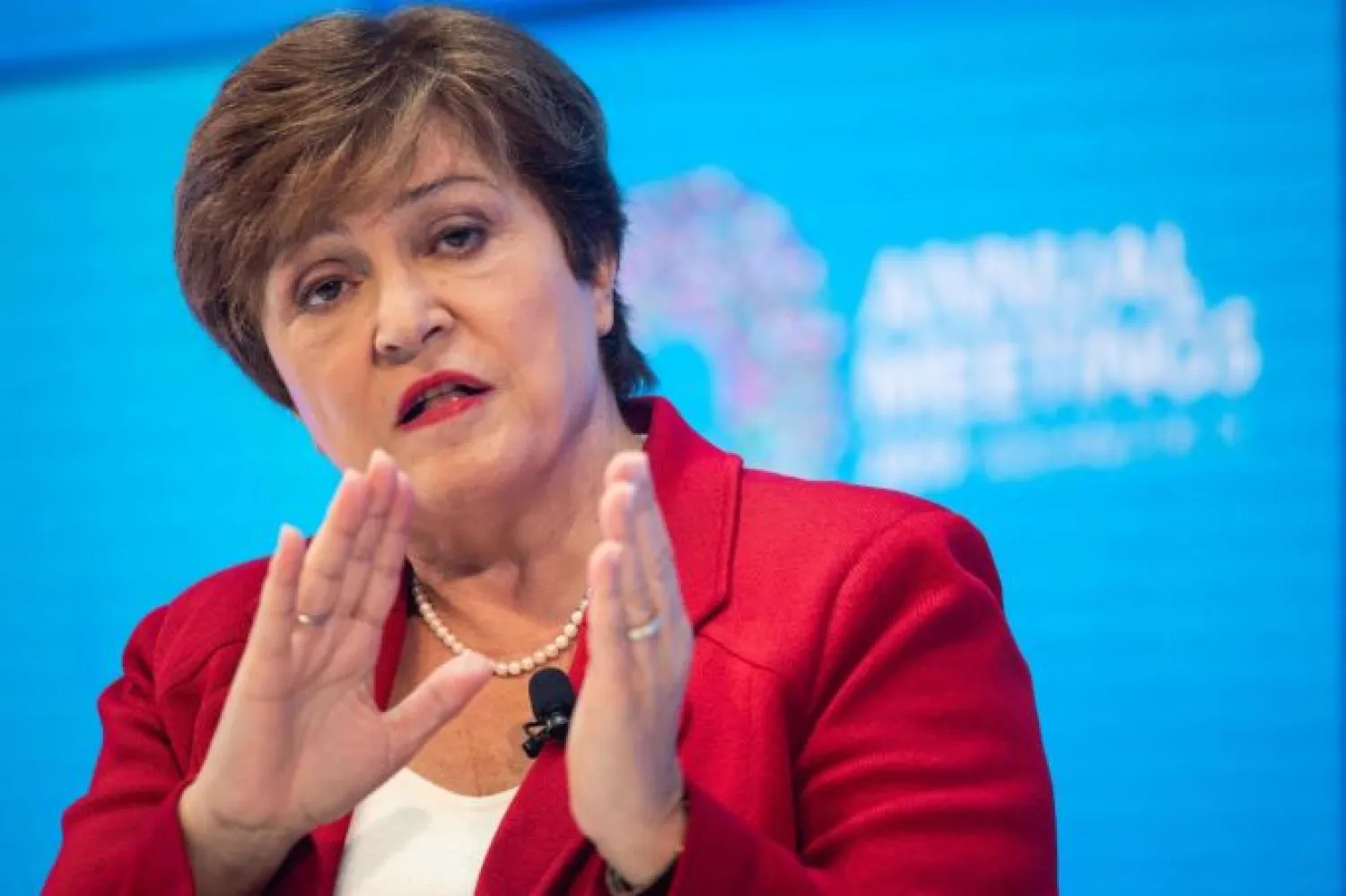
The global economy faces growing risks from persistently high energy prices, record public debt and financial vulnerabilities linked to the rapid expansion of artificial intelligence, International Monetary Fund Managing Director Kristalina Georgieva warned Wednesday.
Speaking ahead of next week’s IMF and World Bank annual meetings in Bangkok, Georgieva said the global economy was being pulled in two directions: a negative energy supply shock caused by conflicts in the Middle East and a positive demand shock from the AI investment boom, which is also contributing to inflation.
She said the impact was uneven across countries, with economies affected by war facing the sharpest growth downgrades. Gulf countries hit by Iranian strikes and reduced energy exports are among those expected to face weaker growth. Georgieva said oil prices remained around $100 a barrel and warned that high energy costs could persist even if the Gulf conflict ends soon. Restricted LNG shipping through the Strait of Hormuz could also add pressure during the winter heating season.
Higher energy prices are feeding into inflation, interest rates and government bond yields, while growing public debt is creating an additional burden on economies. The IMF estimates global public debt is at its highest level since World War Two and could exceed 100 percent of global GDP before 2030.
Georgieva called for credible medium-term fiscal consolidation plans, particularly in heavily indebted advanced economies, warning that governments can no longer rely on stronger economic growth alone to address their fiscal challenges. She also urged central banks to maintain a strong focus on price stability and independence, saying monetary authorities should resist pressure to ease fiscal burdens through policies that could undermine inflation control.
At the same time, Georgieva highlighted the growing economic importance of artificial intelligence. Global investment in AI is expanding rapidly and could eventually exceed investment levels seen during major infrastructure transformations such as railways, electricity grids and telecommunications. The IMF chief warned that the concentration of investment in AI companies creates financial risks if expected productivity and earnings gains fail to materialize. A sharp market reassessment could trigger wider economic and financial disruption.
However, she said IMF research indicates that AI, if properly managed, could add around half a percentage point to global economic growth each year. Georgieva also warned of wider AI-related risks, including disruption to labor markets, cybersecurity threats, financial instability and the possibility of advanced systems operating beyond effective human control.
She called for stronger AI preparedness and regulatory safeguards, alongside measures to improve workforce skills, strengthen energy security and streamline regulations. The IMF’s new global growth forecasts are due to be released during the Bangkok meetings.
Its July forecast projected global growth of 3.0 percent in 2026 and 3.4 percent in 2027, based on assumptions that the Strait of Hormuz would gradually reopen and energy markets would return toward pre-conflict conditions. Georgieva said the combination of energy shocks, high debt, inflation and rapid technological change makes policy choices increasingly important for governments seeking to protect growth and economic stability.