US-Iraq security ties enter new phase after troop withdrawal
Baghdad and Washington shift focus from US-led military operations to long-term bilateral defence and counter-terrorism cooperation
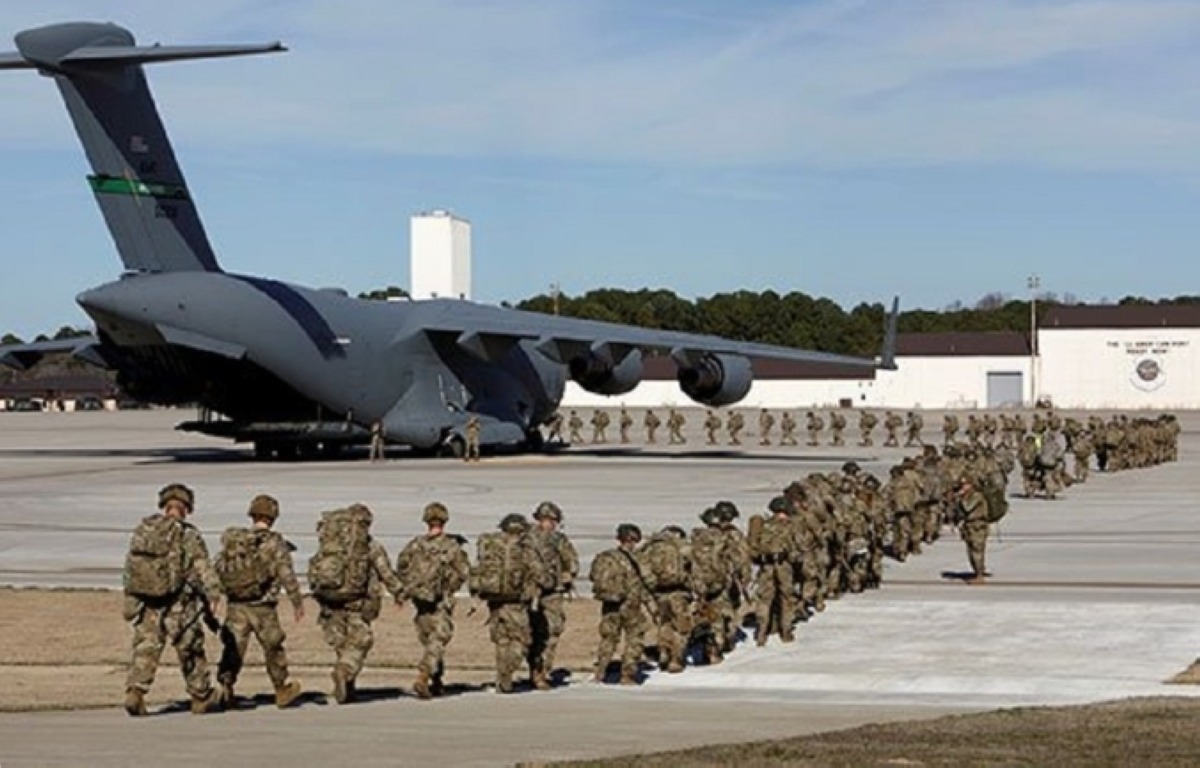
The end of the US-led military mission in Iraq is set to open a new phase in security relations between Baghdad and Washington, with the two countries moving toward a bilateral defence partnership focused on counter-terrorism, intelligence cooperation and strengthening Iraq’s security capabilities.
The United States is completing the withdrawal of its remaining forces from Iraq on September 30, in line with the 2024 agreement between the two governments to end the military mission of the Global Coalition to Defeat ISIS. The move marks the end of the coalition’s combat role, but does not signal an end to US-Iraq security cooperation, according to Reuters.
A new US-Iraq security framework has been under discussion to replace the coalition-based arrangement with a more conventional bilateral defence relationship. UK parliamentary research says the proposed agreement is expected to retain long-term security and counter-terrorism cooperation, while Iraqi officials have indicated that intelligence, information-sharing and arms programmes will remain part of the relationship.
The transition reflects a shift in responsibility toward Iraqi security forces, including the Peshmerga and other Iraqi Kurdistan security forces, which are expected to take the lead in combating terrorist threats inside the country. US officials have also linked the future bilateral defence relationship to a secure environment and greater Iraqi state control over armed groups.
The two sides established a coordination committee in March aimed at intensifying cooperation to prevent terrorist attacks and ensuring that Iraqi territory is not used to launch attacks. The emerging security arrangement therefore places greater emphasis on cooperation between sovereign governments rather than a permanent foreign military presence.
The change comes as Iraq faces a complicated security environment. Although ISIS no longer controls territory as it once did, the group continues to operate through sleeper cells. At the same time, powerful armed factions remain outside full state control, while the government is seeking to bring weapons and security forces under central authority.
For Washington, the new relationship would allow continued security cooperation without maintaining the large-scale military presence that followed the 2003 invasion and the return of US forces in 2014 to fight ISIS. For Baghdad, it offers a framework for maintaining access to US defence capabilities and intelligence while emphasizing Iraqi sovereignty.
The transition also has wider regional implications. Iraq sits between the Gulf, Iran, Türkiye and Syria, making its security arrangements important to the wider Middle East. The departure of US troops is occurring alongside efforts by Baghdad to strengthen control over armed groups and improve its ability to protect national territory and airspace.
The emerging US-Iraq relationship is therefore less about ending security cooperation than changing its structure — from a coalition military mission to a longer-term bilateral partnership centred on Iraqi security forces, counter-terrorism, intelligence and defence cooperation.