Kuwait Municipality clears four Farwaniya areas of state property violations
. . . removes illegal 25-meter encroachment in Sabah Al-Nasser, steps up crackdown on state property encroachments

Kuwait Municipality has declared four areas in the private housing sector of Farwaniya Governorate free of violations involving encroachments on state property, as field teams continue a nationwide campaign to remove illegal structures and extensions.
Mohammed Al-Jalawi, a member of the central team at the office of the Director General of Kuwait Municipality, said the four areas had been handed over after being confirmed free of violations by the municipality’s relevant department. The latest field campaign was carried out in Sabah Al-Nasser as part of the municipality’s “Kuwait Is More Beautiful Without Encroachments” campaign, with supervisory teams continuing inspections and enforcement operations across Kuwait’s governorates.

Al-Jalawi stressed that the campaign to remove old and new encroachments is not temporary and will continue as part of the municipality’s ongoing enforcement responsibilities. He said the presence of municipal teams in Farwaniya reflects the authority’s commitment to enforcing regulations and maintaining public safety, while emphasizing that protecting state property is a shared responsibility.
The municipality’s specialized teams operate according to established regulations and procedures, Al-Jalawi said, adding that enforcement measures are taken under specific controls designed to ensure that violations are addressed without procedural errors.
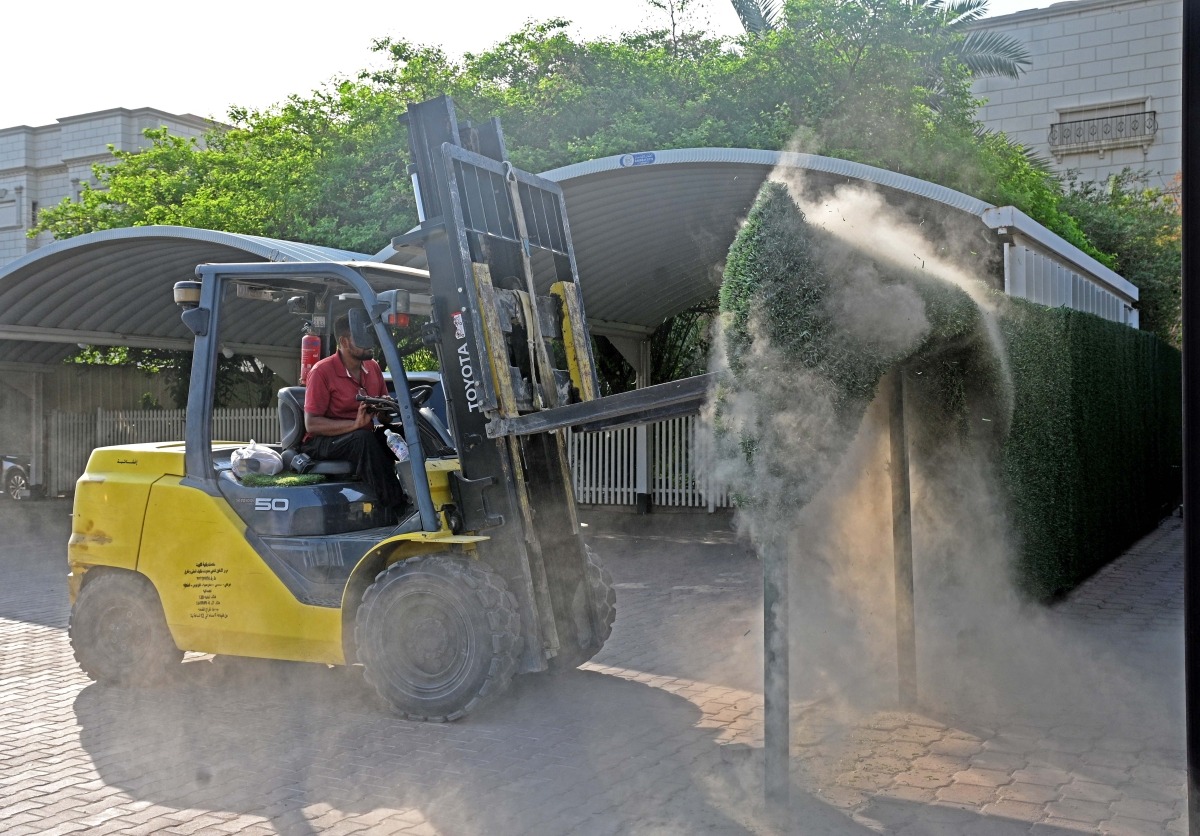
During the inspection in Sabah Al-Nasser, municipal teams detected a facility constructed along a main road within one of the plots without a license and without complying with the setbacks required by the municipality. Al-Jalawi said the facility was removed after inspectors found that it extended 25 meters beyond the property boundaries, making it a significant example of the type of encroachments being targeted by the campaign.
He said greater compliance by property owners and violators has contributed to a reduction in the number of violations detected since the campaign began. The municipality has also been highlighting the most prominent types of violations identified during its field operations to encourage compliance and prevent further encroachments.
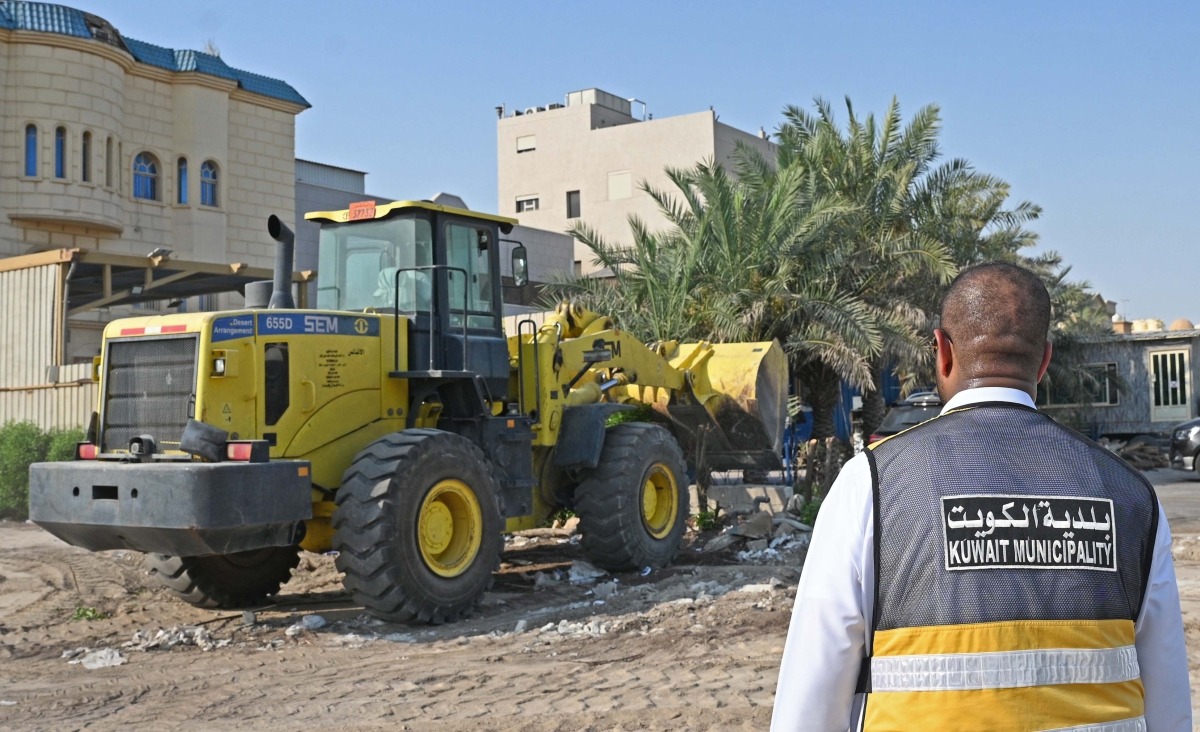
Al-Jalawi said municipal field teams conduct regular inspection campaigns to identify encroachments on state property throughout Kuwait’s governorates. The campaigns aim to prevent unauthorized use of public land, reduce unsightly conditions and curb the accumulation of waste in residential areas.
He added that maintaining public safety for residents remains the municipality’s primary objective, with field teams implementing structured plans across the governorates. Al-Jalawi also praised the support provided by government agencies participating in the campaign, particularly the Ministries of Electricity and Interior and the Environment Public Authority, for their role in enforcement operations.