49 percent of rain surge transforms Kuwait’s desert into a rare ecological revival
Experts say these developments are more than just visually appealing; gives opportunity to strengthen long-term sustainability by harnessing and storing rainwater

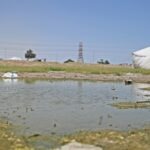
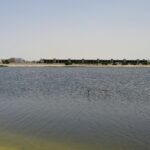
Recent rainfall across Kuwait has dramatically transformed the desert landscape, leaving behind depressions, lakes, and water pools that have reshaped vast plains.
These temporary waterways have created vibrant micro-environments, where plants and flowers have begun to grow, birds have gathered offering striking signs of ecological revival in typically arid terrain.

Experts say these developments are more than just visually appealing. Environmental specialists emphasize that such rainfall events present an opportunity to strengthen long-term sustainability by harnessing and storing rainwater.
They argue that these newly formed lakes and depressions could be utilized as natural reserves to enhance water security in the country.

Environmental activist Fnees Al-Ajmi highlighted the importance of building small dams and rainwater traps to store water underground.
He noted that preserving this water could create strategic reserves for irrigation and even drinking water, while also calling for the rehabilitation of natural sites to turn them into eco-tourism destinations and regulate grazing around them.

Similarly, Mubarak Al-Hajri explained that natural desert formations known as “khubari” act as basins that collect rainwater due to their impermeable layers.
These formations, he said, help recharge shallow groundwater and offer valuable insights into historical climate patterns. He stressed that rainwater harvesting is a key sustainable solution, reducing reliance on desalination and depleted groundwater sources.

Al-Hajri also pointed out the environmental and economic benefits of harvesting rainwater, including reducing water waste, preventing soil salinization, and mitigating flood risks.
However, he warned of geological hazards linked to heavy rainfall, such as flash floods, soil erosion, landslides, and infrastructure damage caused by increased pressure within soil layers.

Researcher Ahmed Mohammed Al-Qasabi noted that rainfall levels in Kuwait and the Gulf have risen by nearly 49% compared to long-term averages. He described the March rains as a turning point that revived the desert ecosystem, triggering rapid vegetation growth, forming temporary aquatic systems, and contributing to groundwater replenishment.
Al-Qasabi added that these changes highlight a deeper environmental response rather than a temporary phenomenon.
He stressed the importance of investing in such natural events through sustainable strategies, including building dams and improving