Women diplomats unite in Kuwait to advance global solutions and leadership
The Times Kuwait Report
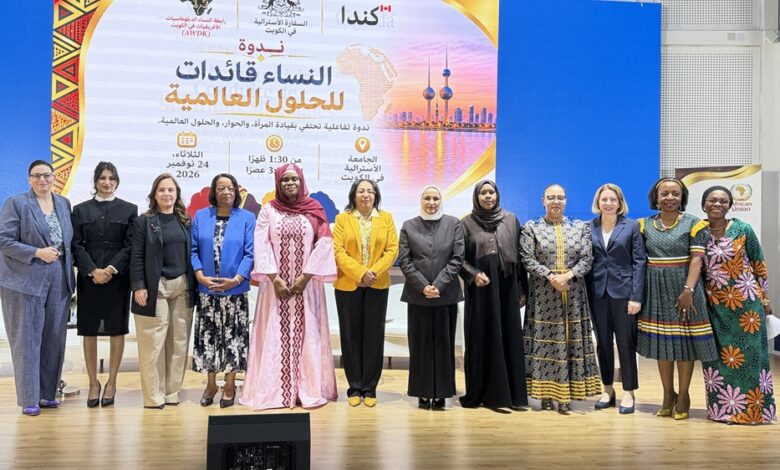
Women diplomats, academics and experts came together in Kuwait to highlight the growing role of women in shaping solutions to global challenges, as the African Women Diplomats in Kuwait (AWDK), in partnership with the Embassies of Canada and Australia, organized a seminar titled Women Leading Global Solutions.
Held on November 24 at the Australian University of Kuwait, the seminar brought together distinguished women leaders and specialists to explore how women’s participation in diplomacy, governance, science and education can translate into meaningful leadership and practical solutions to shared global challenges.
The event underscored the importance of moving beyond women’s participation towards greater representation in decision-making and leadership, while promoting collaboration across cultures, institutions and national boundaries.
Speaking on behalf of AWDK, H.E. Haja Ishata Thomas, Ambassador of the Republic of Sierra Leone, emphasized the importance of the partnership with the Canadian and Australian embassies in advancing education, diplomacy and women-led solutions.
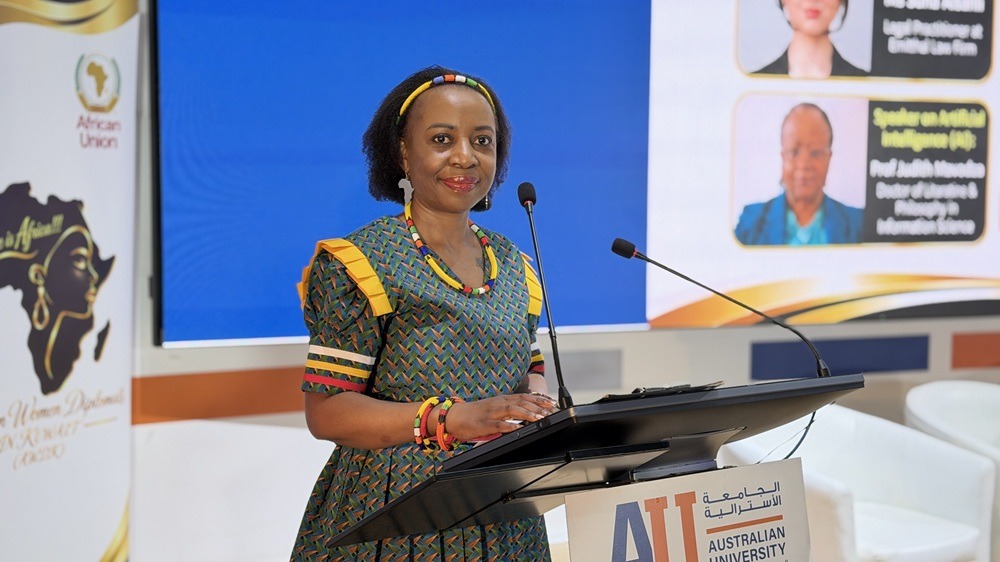
She noted that women are increasingly taking leading roles in addressing global crises and that international cooperation provides an important platform for sharing knowledge, experience and innovative approaches.
Welcoming the participants, H.E. Amanda Riethmuller, Ambassador of Australia to Kuwait, commended AWDK for its initiative and leadership. She highlighted how women around the world are combining their knowledge, creativity and determination to develop and implement solutions to pressing global problems.
The seminar featured six distinguished speakers representing diverse professional backgrounds and areas of expertise. They included Ms Suha Al-Sahil Al-Sahil, Legal Practitioner at Emitthal Law Firm; H.E. Haja Ishata Thomas, Ambassador of Sierra Leone; H.E. Ghada Hatim Eltahir, United Nations Secretary-General’s Representative and Resident Coordinator in Kuwait; Prof. Judith Mavodza, Doctor of Literature and Philosophy in Information Science; Ms Thurayya Bakour, Director of TASTAKEL Organisation; and Dr Fajer Bin Rashed, Assistant Professor at the Australian University.
Their presentations covered a wide range of subjects, including law, diplomacy, renewable energy, climate change, artificial intelligence, reconciliation and peacebuilding, as well as social and emotional learning in higher education.
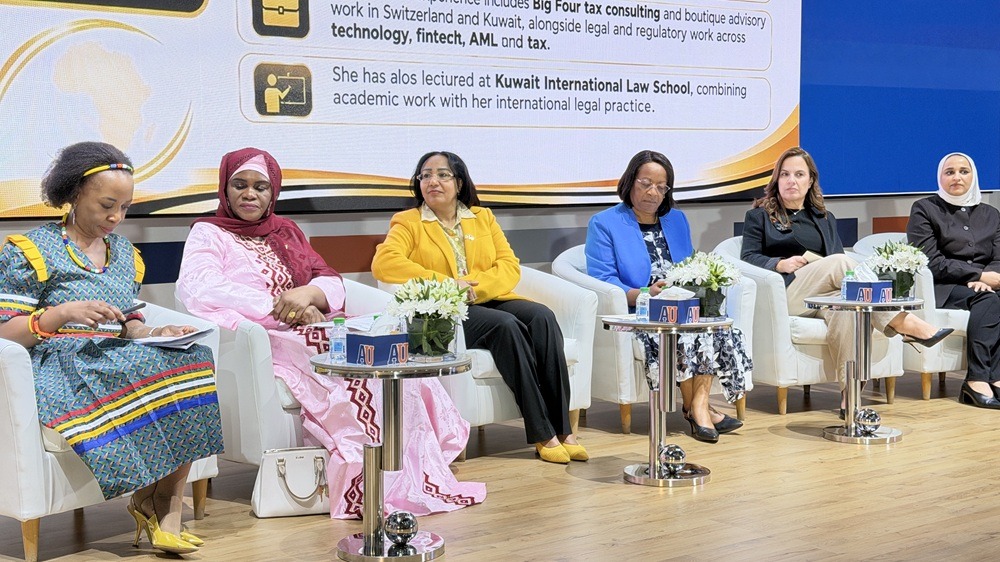
The discussions highlighted the importance of bringing together different areas of expertise to address complex challenges, while emphasizing the contribution women can make through research, innovation, leadership and community engagement.
The seminar also paid tribute to Kuwait’s strategic vision and the pioneering Kuwaiti women diplomats who have made history, recognizing their contribution to strengthening the country’s international engagement and advancing women’s leadership.
An interactive question-and-answer session allowed participants to engage directly with the speakers, exchange perspectives and explore practical approaches to the issues discussed.
Delivering the closing remarks, H.E. Tara Scheurwater, Ambassador of Canada to Kuwait, thanked AWDK for its initiative and leadership, as well as the Australian Embassy, the Australian University of Kuwait, the speakers and participants for their collaboration.
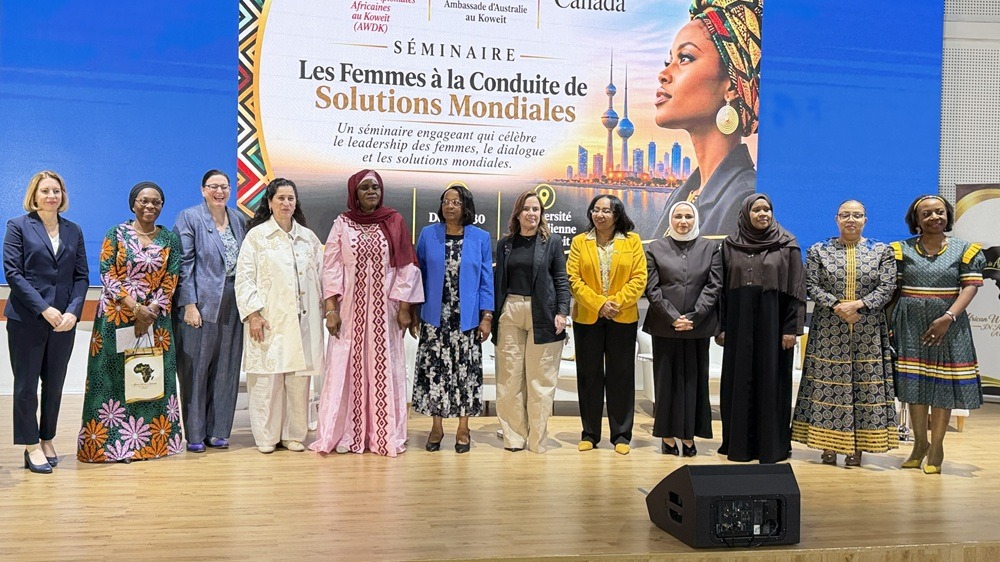
She emphasized that women are not simply contributing to solutions to global challenges but are increasingly leading and shaping them. She reaffirmed Canada’s commitment to supporting women’s leadership, promoting equal opportunities and strengthening partnerships that translate ideas into meaningful action.
The seminar reinforced the importance of cooperation between diplomatic missions, academic institutions and women’s networks in building inclusive approaches to global challenges.
It also demonstrated how platforms such as AWDK can encourage cross-border dialogue, strengthen professional networks and create opportunities for women to contribute their knowledge and leadership to issues extending far beyond national boundaries.
Ultimately, the message emerging from the gathering was clear: empowering women to lead is not merely a question of equality, but an essential part of developing effective, sustainable and inclusive solutions for the world.