Why the World's Wealthiest Travelers Are Trading the Riviera for the Arctic
By Hermoine Macura-Noble
There is a particular kind of hush that settles over Oslo’s Karl Johans gate at dusk – the low gold light skimming off granite facades, the click of a single set of heels on cobblestone, the distant hiss of a floating sauna somewhere exhaling steam into the fjord air. It is, perhaps, the sound of luxury travel changing its mind about what it wants.
For decades, the five-star pilgrimage led south: to marble lobbies on the Côte d’Azur, to infinity pools stitched into cliffsides, to wherever the champagne was coldest and the crowd was loudest. Norway offered none of that. And that, travelers are discovering, is exactly the point.
At the Grand Hotel Oslo, the city’s gilded 1874 landmark, chandeliers throw amber light across an oval lobby that has hosted playwrights, artists, and every Nobel Peace Prize laureate since the prize’s inception in 1901. It remains the city’s beating heart of old-world grandeur – a place where the doormen still seem to know your name before you’ve said it.
The hotel has spent recent years on a careful, ongoing renovation – three separate creative firms each entrusted with a different wing of the property, refreshing restaurants, suites, and public spaces while keeping the pale pink walls and dramatic chandeliers that have watched over the room for 150 years. Featuring 283 rooms, 54 of them suites, the hotel sits directly across from the Norwegian Parliament on Karl Johans gate, with select suites offering views over the plaza to the Royal Palace beyond.
A short walk away, Sommerro performs a different kind of magic: a landmark 1931 Art Deco power station, quietly rewired for modern indulgence, rooftop plunge pool and all. It is heritage without the dust. Designed by Norwegian architects Andreas Bjercke and Georg Eliassen as the headquarters of Oslo’s electric company – its old motto, fittingly, was “Light, Power, Warmth” – the bones are original interwar Oslo and the finish is contemporary Nordic glamour.
Of the hotel’s 231 rooms and suites, guests can book their way up to a penthouse townhouse spanning the top floor. But it is the spa where Sommerro truly performs: beneath the same roof sits Vestkantbadet, Oslo’s original 1930s public bathhouse, painstakingly restored down to tiles re-sourced from the original Italian manufacturer, alongside the city’s first rooftop pool and sauna, with sweeping views over Frogner.
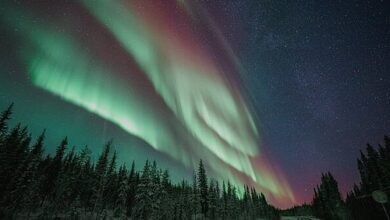
But it is in Arctic Norway where Nordic luxury turns genuinely theatrical. At Snow Resort Kirkenes, tucked along the shores of the Bøkfjord in the country’s remote northeast, Gamme cabins – built in the spirit of traditional Sámi hunting huts – frame a private slice of sky through oversized windows for whenever the aurora decides to perform.
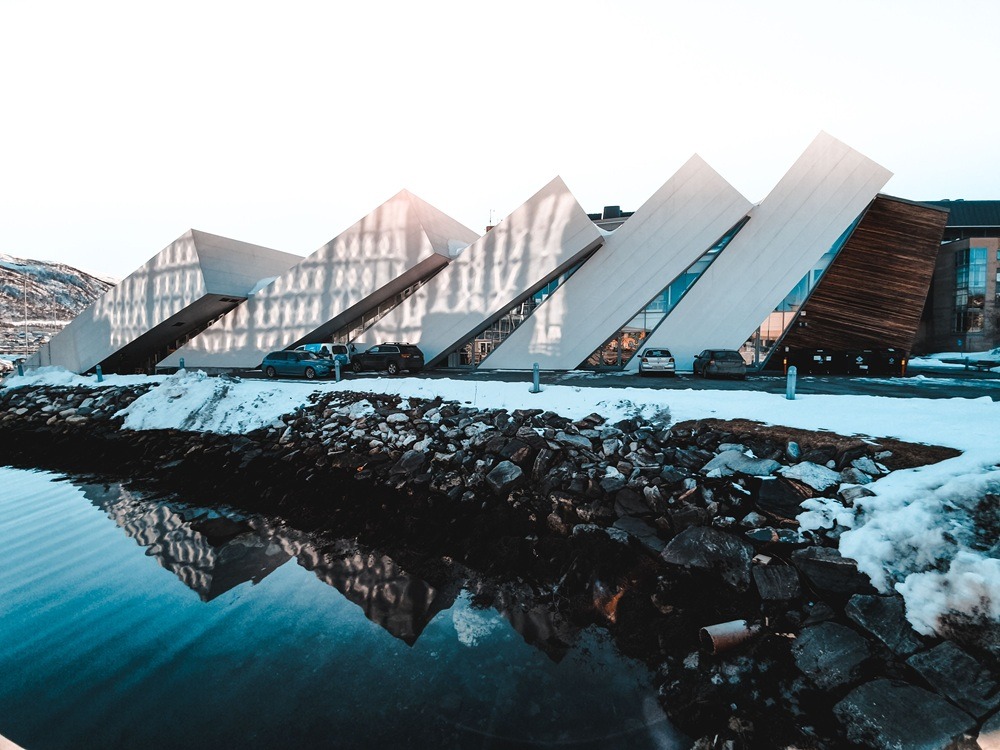
Guests don’t so much sleep here as keep watch. The resort sits minutes from some of the clearest, least light-polluted aurora skies in Norway, alongside its famous Snowhotel, rebuilt from scratch in ice and snow every winter with a new set of hand-carved sculptures. The on-site restaurant, Låven, looks out over the fjord and leans into hearty Arctic cooking built around the region’s signature catch.
For those looking for adventure, the resort arranges husky safaris across the frozen fjord, snowmobile tours in search of the northern lights, reindeer encounters, and king crab safaris on the Barents Sea – a delicacy found in vanishingly few other places on earth.
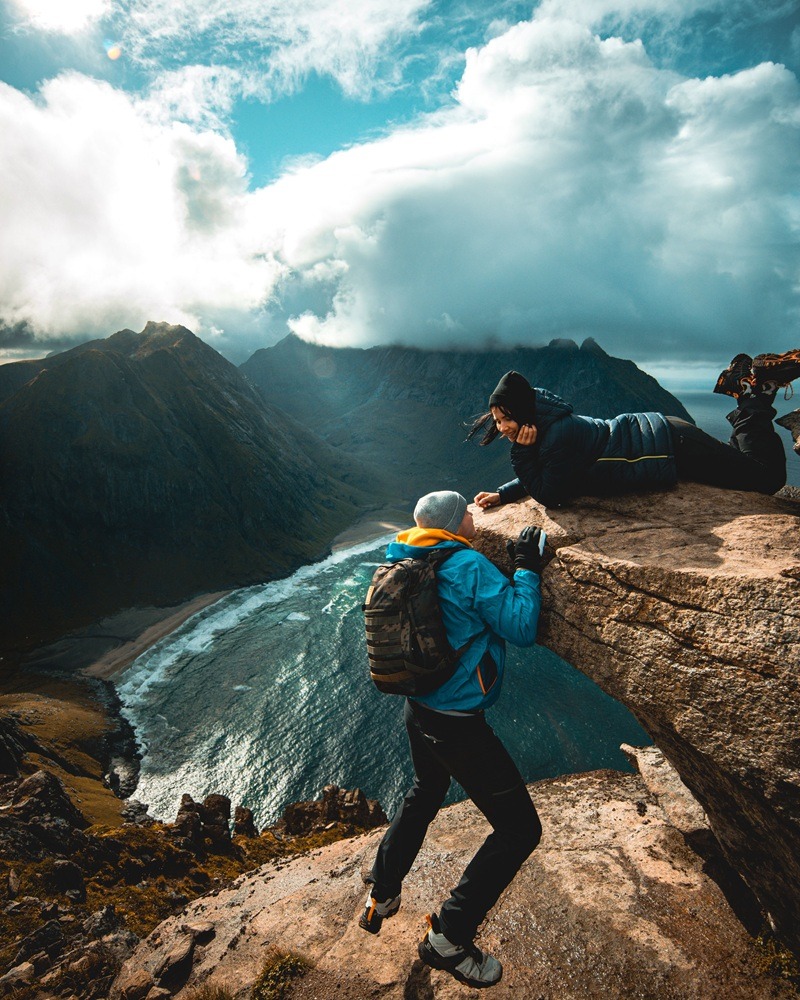
Ask hospitality insiders why Norway has become such fertile ground for quiet luxury, and the answer keeps circling back to one idea: friluftsliv – roughly, “open-air living,” the deeply rooted Norwegian belief that a good life is one spent outdoors, whatever the weather. That ethos runs through everything the country does well, and lately it’s spilled straight into the harbor: Oslo’s fjord is now dotted with dozens of communal floating saunas, a home-grown ritual industry insiders describe less as a wellness amenity than a civic one, something locals invite visitors into rather than sell them.
Norway consistently ranks among the happiest nations on earth, translating that contentment into a hospitality style built on restraint rather than reach. There is no shouting here, no gold-leafed excess for its own sake – only granite, fjord water, timber, and light that in summer refuses to leave at all.
For a certain traveler – one who has done the yachts, the villas, the velvet ropes – Norway offers something rarer than opulence: the sensation of actually slowing down.
In a world addicted to more, Norway has built its luxury economy on less. And increasingly, the world’s most discerning guests are checking in to find out what that feels like.
 By Hermoine Macura-Noble
The first Australian English speaking News Anchor in the Middle East. She is also the Author of Faces of the Middle East and Founder of US-based 501c3 charity – The House of Rest which helps to ease the suffering of victims of war. For more from our Contributing Editor, you can follow her on Instagram, here.