Veto must not stand in the way of UN Charter goals, says Kuwait
. . . urges UN to put peace, security and civilian lives first
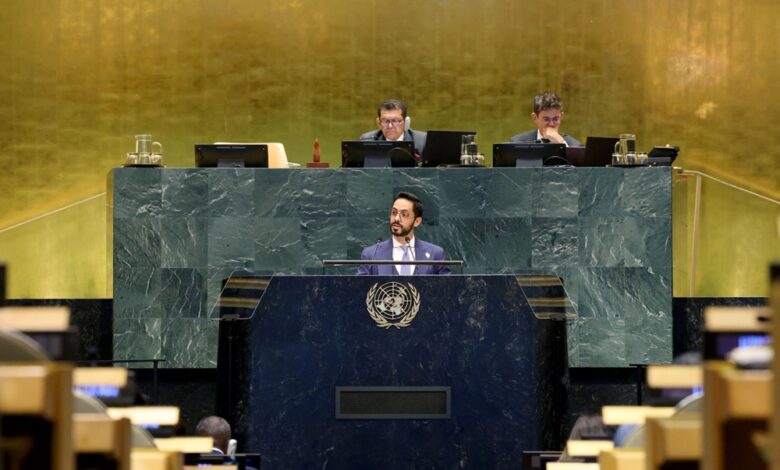
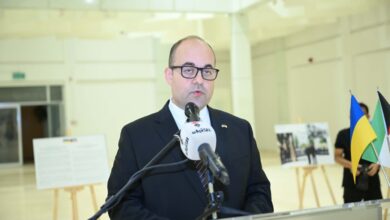
Kuwait said on Monday that while the veto is a right enshrined in the UN Charter, it should not become an obstacle to achieving the purposes for which the Charter was established. This came in a speech delivered by Second Secretary at Kuwait’s Permanent Mission to the UN Fahad Al-Ajmi before the UN General Assembly during its discussion of agenda item 62.
Al-Ajmi affirmed that the Security Council’s responsibility to maintain international peace and security entails obligations toward all countries and peoples. Kuwait’s call aims to enhance the Council’s effectiveness and uphold the spirit of the Charter, he said, stressing the need to exercise the utmost restraint when using the veto, particularly when civilian lives, international peace and security are at stake.
He noted that the Council had failed to adopt a draft resolution submitted by Bahrain in coordination with GCC states and Jordan on protecting maritime navigation in the Strait of Hormuz due to the use of the veto.
This came after the adoption of Resolution 2817, which condemned the brutal and unjustified Iranian attacks against Kuwait, GCC states and Jordan, and called for an immediate halt to these attacks, he said.
On Palestine, Al-Ajmi highlighted that draft resolutions on a ceasefire, the protection of civilians and the delivery of humanitarian aid had been blocked in the Security Council due to the use of the veto.
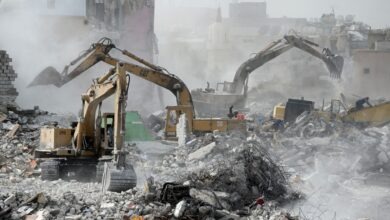
He stressed that the children who lost their lives in Gaza were not parties to disputes within the Security Council, and that civilians waiting for food and medicine were unconcerned with the justifications for blocking its resolutions.
Al-Ajmi noted that the General Assembly is not a substitute for the Security Council, nor does it seek to undermine its powers. “When the Council is unable to act, the international community must not be unable to raise its voice,” he said.
He added that the General Assembly serves as a forum where all countries have an equal voice, regardless of their size, and can, within the powers granted to it under the Charter, keep critical issues at the forefront of the international conscience and advance fair and sustainable solutions.
Source: KUNA