The Times Kuwait Report
Forty-two Palestinian women, spanning generations and professional fields, took centre stage at a cultural event in Kuwait that celebrated their achievements, resilience and contribution to preserving national identity, while paying tribute to the late Palestinian artist Sliman Mansour and his enduring artistic legacy.
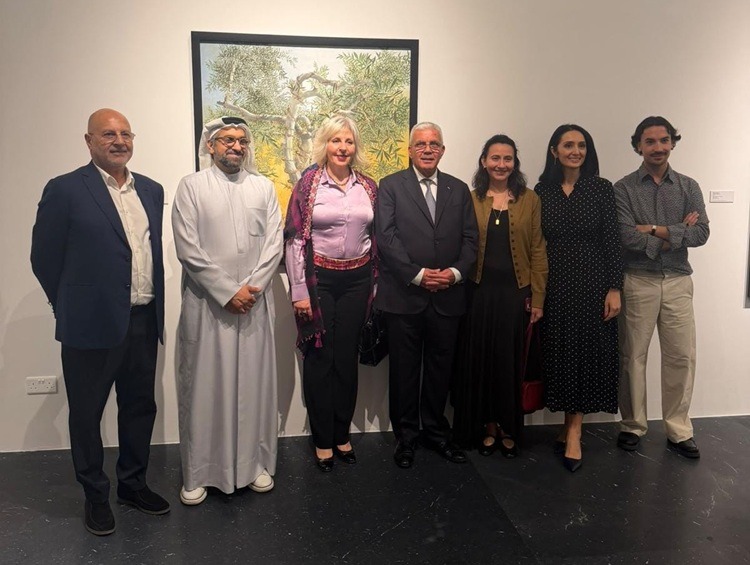
Held at the Contemporary Art Platform on Monday to mark Palestinian Women’s National Day, observed on October 26, the event brought together stories of women who have overcome adversity, pursued their ambitions and helped strengthen their communities.
Organised in collaboration with the Embassy of the State of Palestine, the event highlighted the connection between women’s empowerment, cultural identity and the preservation of collective memory.
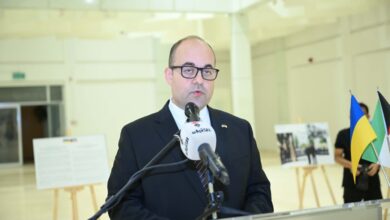
Palestinian Ambassador to Kuwait H.E. Rami Tahboub described women as the foundation, strength and spirit of Palestinian society, stressing that their rights could not be separated from the Palestinian people’s struggle for freedom, dignity and national liberation. He said there could be no genuine national freedom without justice and equality for women.
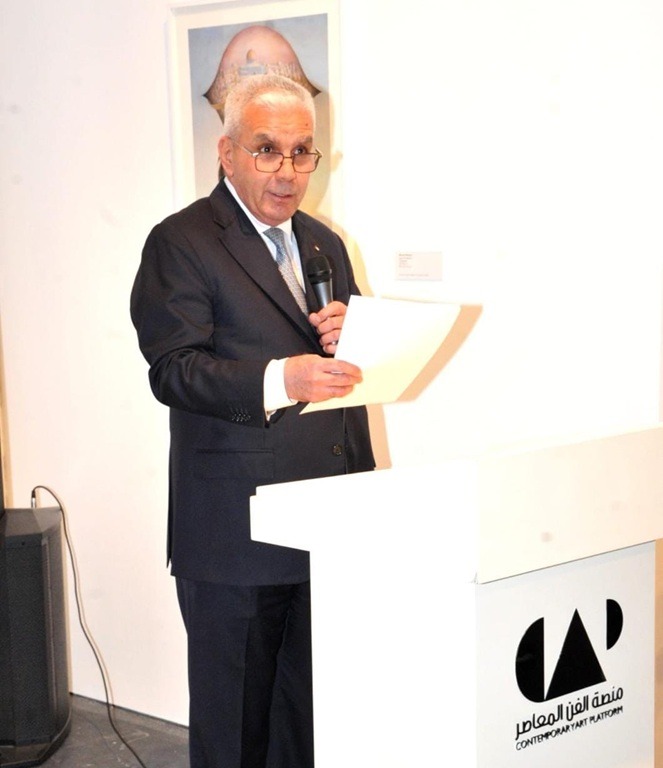
Ambassador Tahboub recalled that Palestinian Women’s National Day commemorates the first Palestinian Women’s Congress, held in Jerusalem in 1929, which marked an important milestone in organising women’s activities and strengthening their political participation in the face of occupation. The occasion, he said, recognises women’s historic struggle and their central role in social development, national liberation and sustaining community resilience.
He also highlighted the progress Palestinian women have made in education, citing a literacy rate of around 97 percent, while noting that significant barriers remain to their economic participation amid the effects of occupation and high unemployment. Social challenges and stereotypes, he added, continue to undermine women’s standing despite their enduring contributions.
Beyond hardship: 42 stories of strength
Reema Khalidi, wife of the Palestinian ambassador, said Palestinian women should not be defined solely by suffering. Their stories, she stressed, are also about strength, generosity, achievement and the determination to build their communities.
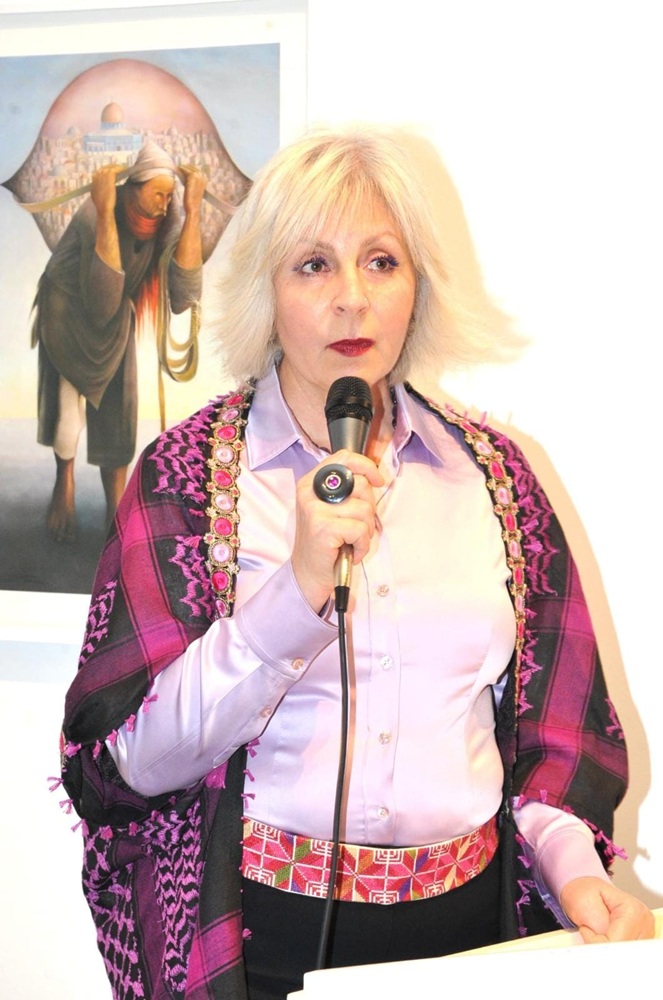
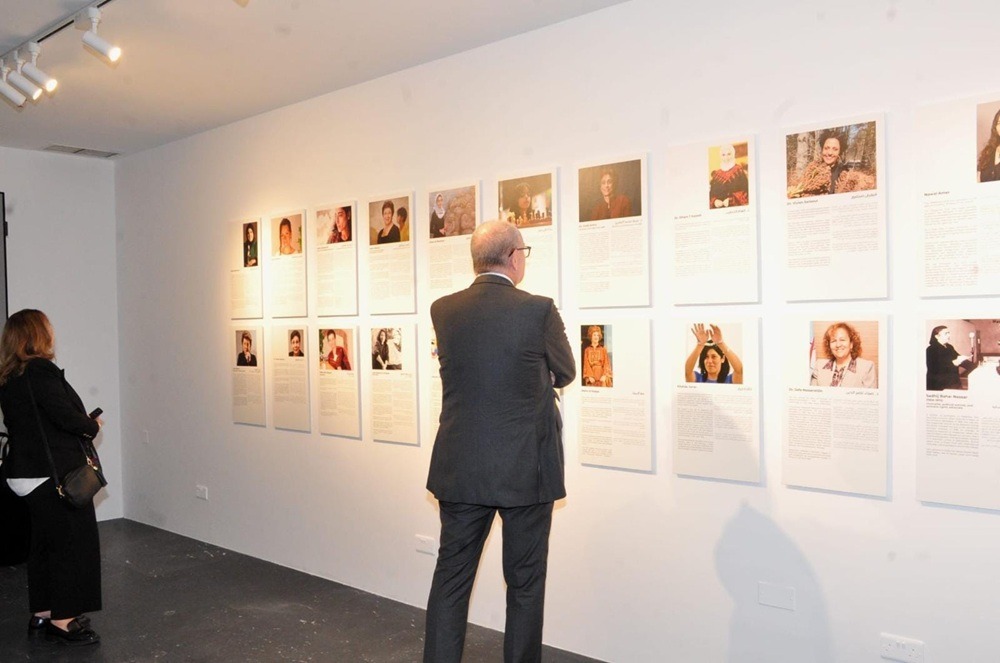
Khalidi selected 42 Palestinian women whose lives span the period from the British Mandate to the present day. Representing different ages, backgrounds and professional fields, their experiences offered an opportunity to explore the breadth of women’s contributions to Palestinian society.
She said she hoped the event would challenge the stereotypes that can emerge when relentless news coverage reduces Palestinian lives to daily reports stripped of their human dimension. The aim, she explained, was to bring women’s achievements and personal journeys into focus rather than portray Palestinians only as victims.
Drawing on her own family history, Khalidi spoke of being born to Palestinian parents in Jerusalem and of how the Nakba and Naksa were more than historical milestones for her family. The experiences and memories of displacement and upheaval had affected her grandparents and parents and continued to be passed down through generations.
She also highlighted the restrictions that shape everyday Palestinian life, including the difficulties of travelling between Jerusalem, Gaza and the West Bank. Families divided between different cities face additional challenges, while parents continue to worry about their children’s safety during journeys to school.
Palestinian art as a living memory
The programme also honoured the late Sliman Mansour, a leading figure in Palestinian art whose work drew deeply on the land, heritage and collective experiences of his people.
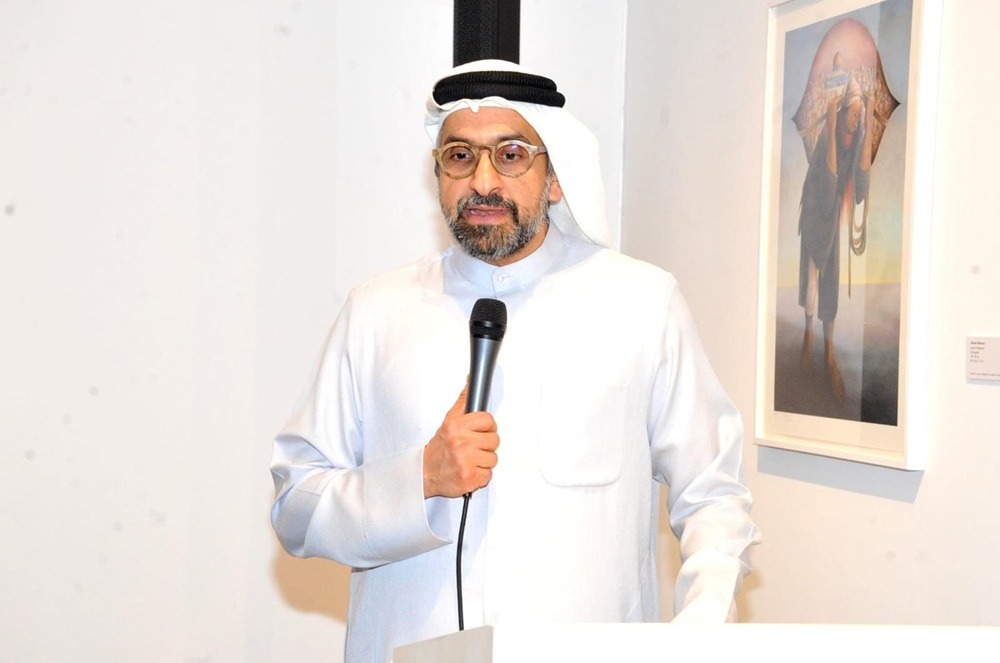
Emirati writer, researcher and art collector Sheikh Sultan bin Saud Al Qasimi described Palestinian art as a collective memory and a testament to resilience and resistance. He praised Mansour for continuing to create despite the restrictions and practical difficulties faced by Palestinian artists, including periods when obtaining art materials was challenging.
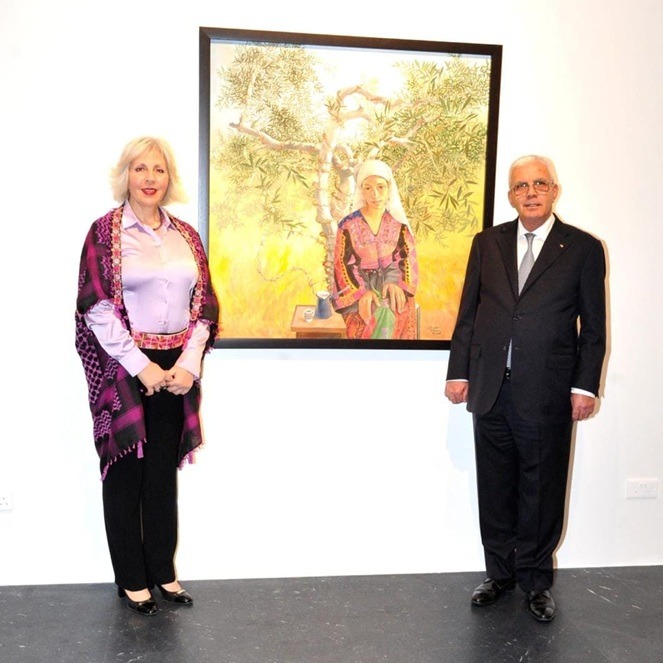
Al Qasimi noted that Mansour had received wide recognition and honours from institutions and leaders in several countries, including Türkiye, Egypt and Jordan. His work, he said, offered audiences a way to understand Palestine through its art, history and culture.
He also reflected on the symbolism of Palestinian imagery in Mansour’s work, particularly the tree as a symbol of steadfastness and traditional embroidery as an expression of cultural identity. These motifs, he explained, go beyond visual decoration: they preserve collective memory and communicate the experience of a people confronting physical and psychological displacement.
Inviting the audience to look closely at the details of Palestinian embroidery in Mansour’s paintings, Al Qasimi referred to Sad Tunes (1977) and A Quiet Morning, highlighting the way art and heritage carry Palestinian identity across generations.
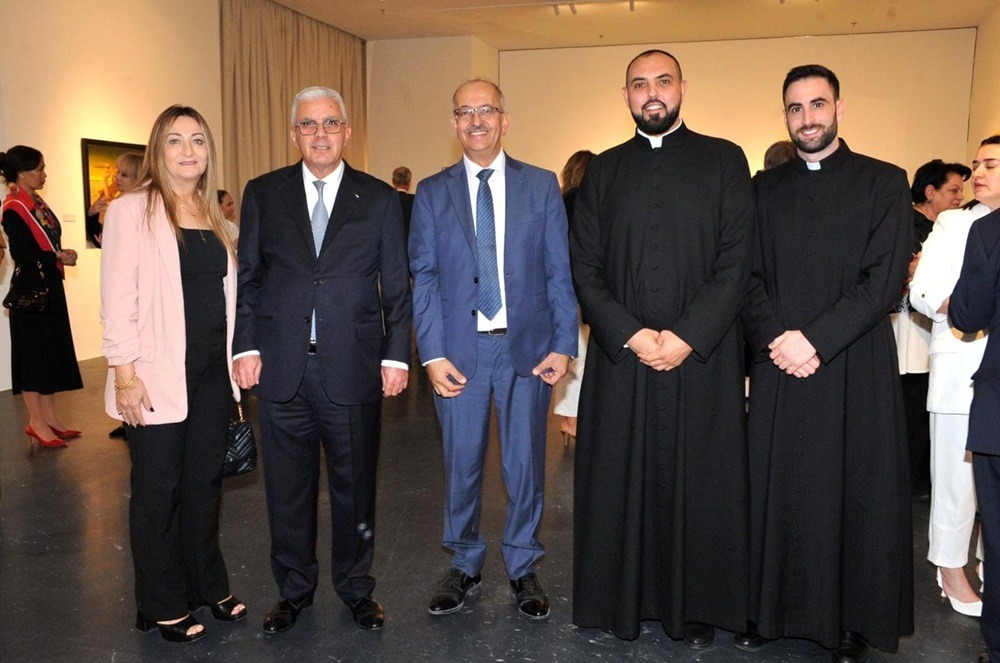
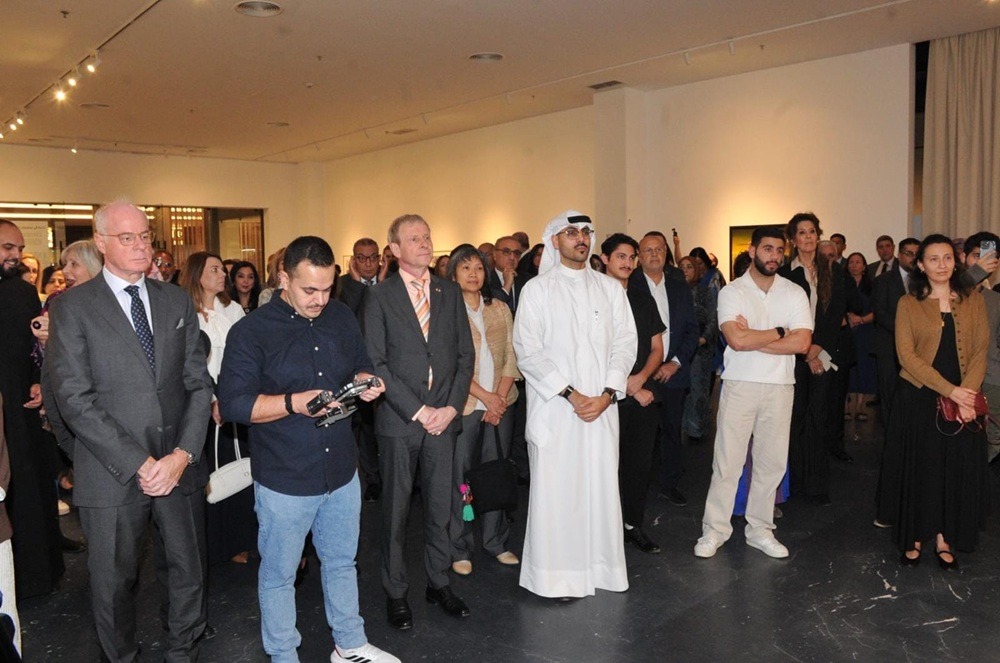

The event brought together two complementary narratives: the personal achievements of Palestinian women and the enduring power of Palestinian art to preserve memory. Through the 42 women’s stories and Mansour’s artistic legacy, the gathering underscored the importance of recognising Palestinian life not only through its hardships, but also through its creativity, determination and contributions to society.