By Rabih Kallas
Special to The Times Kuwait
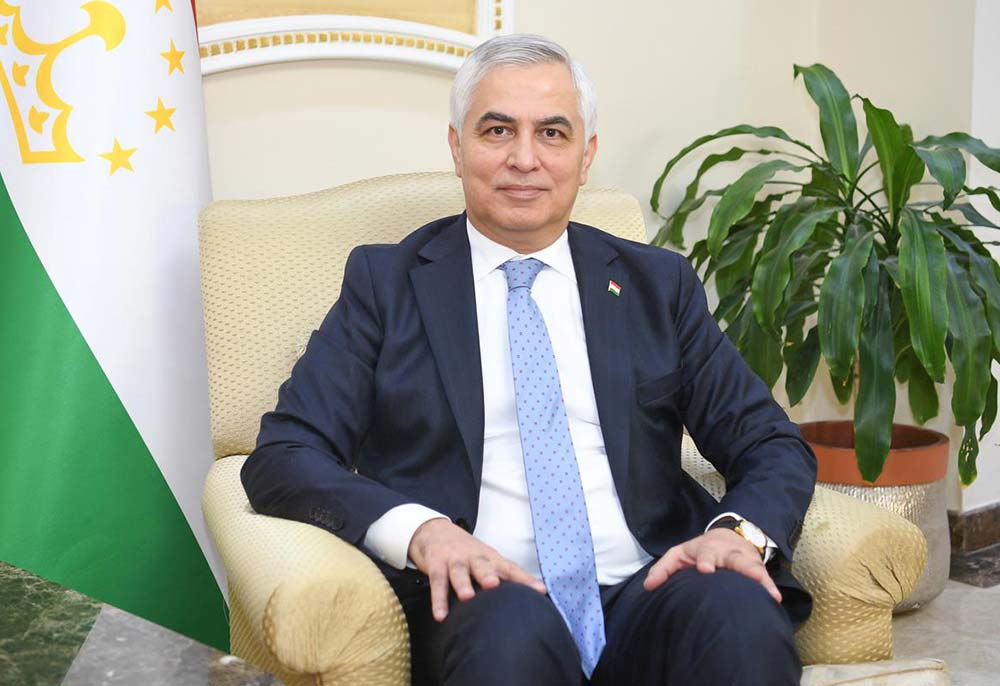
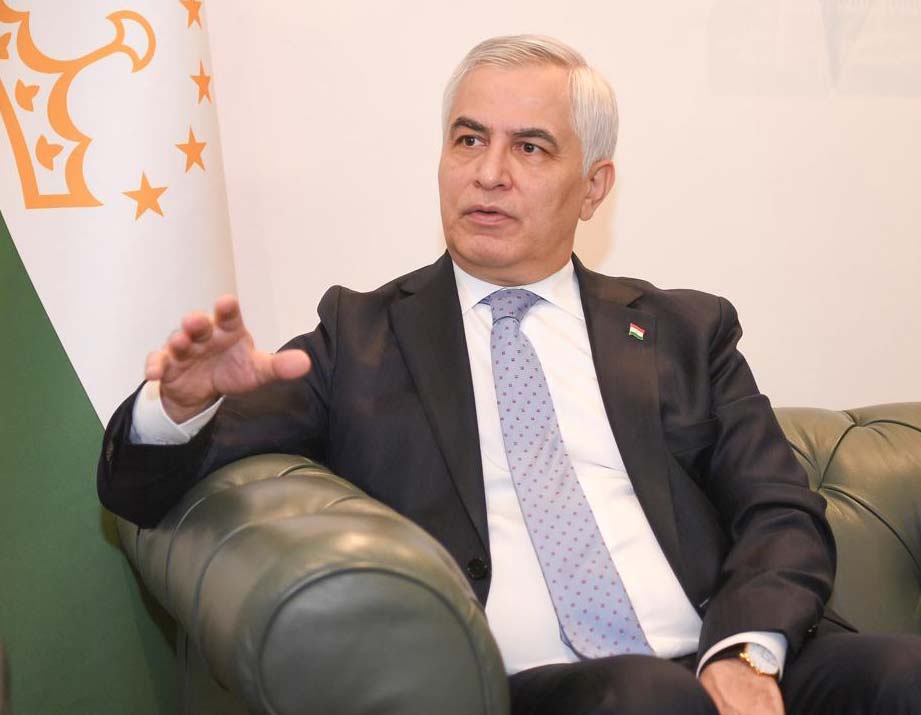
Tajikistan is seeking to translate its strong political relations with Kuwait into tangible economic and investment partnerships, with opportunities spanning water security, agriculture, renewable energy, tourism and infrastructure, Ambassador of Tajikistan to Kuwait H.E. Khusrav Noziri has said.
In an interview the ambassador stressed that the two countries have considerable scope to expand bilateral trade, encourage private-sector investment and turn existing agreements into practical projects that deliver mutual benefits.
He described Kuwait as an important partner for Tajikistan in the Gulf region, praising its contribution to development cooperation and international dialogue. Diplomatic relations between Kuwait and Tajikistan were established on March 31, 1995. A significant milestone came during the official visit of Tajikistan President Emomali Rahmon to Kuwait from November 3 to 5, 2024, when the two countries signed nine cooperation documents covering various fields.
The opening of Kuwait’s embassy in Dushanbe and the appointment of its first resident ambassador to Tajikistan have further strengthened institutional ties and created opportunities for closer engagement.
Noziri said the priority now is to activate bilateral cooperation mechanisms, particularly the joint intergovernmental committee, strengthen direct links between businesses and investors, and translate agreements into commercially viable projects.
Water management and security represent promising areas for bilateral cooperation, with Tajikistan’s abundant freshwater resources complementing Kuwait’s experience in seawater desalination and water distribution systems.
The ambassador identified two practical avenues for cooperation: exporting bottled drinking water from Tajikistan to Kuwait and establishing joint ventures for water production, bottling and marketing with Kuwaiti investors. He noted that Tajikistan’s natural and mineral water products could offer opportunities for Kuwaiti importers and distributors, provided that quality standards, transport and storage costs, pricing and market demand are carefully assessed.
He proposed beginning with direct contacts between Tajik producers and Kuwaiti importers, followed by technical assessments and trial shipments before considering larger investments.
Large-scale water transportation through pipelines or dedicated transport systems would require more extensive technical, economic and environmental studies.
Noziri also highlighted the potential for cooperation in water infrastructure, hydropower and sustainable resource management. Tajikistan’s experience in hydropower and reservoir management could complement Kuwait’s expertise in desalination and water conservation.
He pointed to the involvement of the Kuwait Fund for Arab Economic Development in financing the Rogun hydropower project as an example of the existing partnership in the energy and infrastructure sectors.
During his meeting with Minister of Electricity, Water and Renewable Energy Dr. Subaih Abdulaziz Al-Mukhaizeem on October 15, 2026, the ambassador discussed opportunities to expand cooperation in water and energy and strengthen engagement between the relevant institutions.
Agriculture and food security
Food security is another priority, with Tajikistan seeking to increase agricultural exports and attract Kuwaiti investment into food production and processing. The country produces a range of agricultural products, including apricots, grapes, cherries, raisins, nuts and honey. Noziri identified dried fruit as a practical starting point for exports to Kuwait because of its relatively long shelf life and ease of storage.
Cooperation could subsequently expand to fresh fruit and vegetables, subject to market requirements and the availability of suitable transport and refrigeration facilities. Beyond exports, the ambassador welcomed Kuwaiti investment in orchards, greenhouses, cold-storage facilities, sorting and packaging centres, and food-processing industries.
He said discussions with Kuwait Chamber of Commerce and Industry Deputy Director-General Imad Al-Zaid on September 29, 2026, covered ways to strengthen business links and promote Tajik products in Kuwait. The discussions also included proposals for a joint business forum and an exhibition of Tajik products in Kuwait.
Tajikistan adopted its Law on Investment and Promotion of Investment Activity in May 2025 to strengthen the legal framework for investment and government support. Noziri said potential incentives and facilities could be examined in accordance with applicable legislation and the nature of individual projects.
Tourism potential and visa facilitation
The ambassador also invited Kuwaitis to discover Tajikistan, describing it as a destination combining spectacular natural landscapes, rich cultural heritage and traditional hospitality. Located in Central Asia, Tajikistan is known for its high mountains, clear lakes, rivers and scenic landscapes. Its tourism offerings include nature-based holidays, ecotourism, adventure travel and family trips.
The capital, Dushanbe, features parks, museums and cultural attractions, while destinations such as Iskanderkul Lake, the Fann Mountains, Khujand, Panjakent and the ancient archaeological site of Sarazm offer opportunities to explore the country’s natural and historical heritage.
A major advantage for Kuwaiti travellers is visa-free entry for stays of up to 30 days, according to the ambassador. Direct flights operated by Jazeera Airways between Kuwait and Dushanbe also provide an important link for tourists and business travellers, subject to current schedules and availability. The embassy is working to raise awareness of Tajikistan’s tourism attractions through engagement with Kuwaiti media, tourism authorities and travel companies.
Noziri said preparations were being pursued for a Tajikistan-Kuwait tourism forum that would bring together tour operators, travel agencies, airlines and tourism-sector representatives to explore joint holiday packages and other opportunities. The proposed programmes could combine stays in Dushanbe with visits to lakes, mountains and historic sites, alongside experiences of Tajik cuisine and local hospitality.
The launch of direct flights between Kuwait and Dushanbe by Jazeera Airways on December 29, 2022, marked an important step in improving connectivity and supporting tourism, business travel and commercial exchanges. During a meeting with Jazeera Airways Chief Executive Officer Bharathan Pasupathy on August 24, 2026, Noziri discussed prospects for aviation cooperation and the role of direct connectivity in strengthening bilateral relations.
He said increasing flight frequencies or extending services throughout the year, where justified by passenger demand, commercial viability and operating conditions, could provide additional support for tourism and investment.
Logistics remain a challenge for bilateral trade, particularly because of geographical distance, transportation costs and the need for efficient supply chains. Agricultural and food products require particular attention to shipping times, storage and refrigeration.
The ambassador said air freight could be considered for products requiring rapid delivery, while integrated land and sea transport options could be assessed for other goods. He emphasised that stronger direct links between exporters, importers and economic institutions would be essential to expanding trade.
Investment opportunities for Kuwaiti businesses
Noziri identified agriculture, food processing, tourism, renewable energy, mining, manufacturing, transportation and infrastructure as sectors offering potential for Kuwaiti investors.
He highlighted the Kuwait Fund for Arab Economic Development as an important example of development cooperation between the two countries. Since 2001, the fund has supported development projects in Tajikistan through loans and grants across various sectors.
In June 2026, an agreement was signed for a KD 6 million loan to finance the development of 10 schools in different regions of Tajikistan, supporting education and human development.
The ambassador said he had also discussed new opportunities in economic development, infrastructure, energy and transportation with Acting Director-General of the Kuwait Fund Rashid Al-Bader on September 24, 2026.
For private investors, he encouraged the development of joint projects with Tajik companies, particularly in agriculture, food industries, tourism, logistics and renewable energy. He said the next step would be to identify priority projects, prepare clear information on investment requirements and economic feasibility, and connect project developers with Kuwaiti investors and financing institutions.
Hydropower and the green transition
Hydropower remains one of the pillars of Tajikistan’s energy sector, supported by the country’s substantial water resources. Noziri said Tajikistan’s hydropower capabilities could complement Kuwait’s experience in modern energy projects, including solar power, creating opportunities for technical cooperation, investment and knowledge exchange. He welcomed the participation of Kuwaiti companies in studying, financing and implementing energy projects in Tajikistan, either through direct investment or partnerships with local institutions.
Cooperation could also include technology transfer, professional training and improvements to energy infrastructure, contributing to broader sustainable-development and green-economy objectives. Beyond economic relations, Tajikistan attaches importance to strengthening ties with the Gulf Cooperation Council countries, particularly Kuwait, which the ambassador described as an important partner in promoting regional stability and international cooperation.
He said Tajikistan’s foreign policy is based on respect for national sovereignty and territorial integrity, non-interference in internal affairs, peaceful settlement of disputes and adherence to international law.
The ambassador highlighted the growing importance of cooperation between Central Asia and the Gulf in addressing security challenges, including terrorism, extremism, transnational organised crime and illicit drug trafficking. He pointed to the high-level international conference on strengthening international cooperation against terrorism and building effective border-security mechanisms, hosted by Kuwait on November 4 and 5, 2024, under the Kuwait phase of the Dushanbe Process.
The conference resulted in the adoption of the Kuwait Declaration on Border Security and Management, reflecting the importance of international cooperation in addressing shared threats. Noziri said continued coordination through the United Nations, the Organisation of Islamic Cooperation and other international and regional forums would help strengthen mutual trust, reduce tensions and promote peaceful solutions.
Turning agreements into tangible results
Looking ahead, the Tajik embassy’s priorities include following up on the agreements reached during President Rahmon’s November 2024 visit, preparing for the next session of the joint intergovernmental committee in Dushanbe and strengthening political consultations between the two foreign ministries.
The embassy also intends to encourage business forums, expand cultural exchanges and explore the possibility of organising Kuwaiti cultural days in Tajikistan, alongside greater cooperation between media and tourism institutions. Noziri said the ultimate objective is to ensure that the strength of political relations is reflected more clearly in economic and investment projects, expanded trade, increased business engagement and stronger tourism and cultural exchanges.
He emphasised that success should not be measured solely by the number of meetings held or agreements signed, but by the ability to translate them into employment opportunities, investments and sustainable development projects that benefit both countries and their peoples.