Strait of Hormuz – why the world’s energy lifeline matters in times of war, global disruption
Tensions in the Strait of Hormuz threaten energy, food, and healthcare systems worldwide; Hormuz crisis matters for global trade, prices, and everyday life -- Al-Shemali
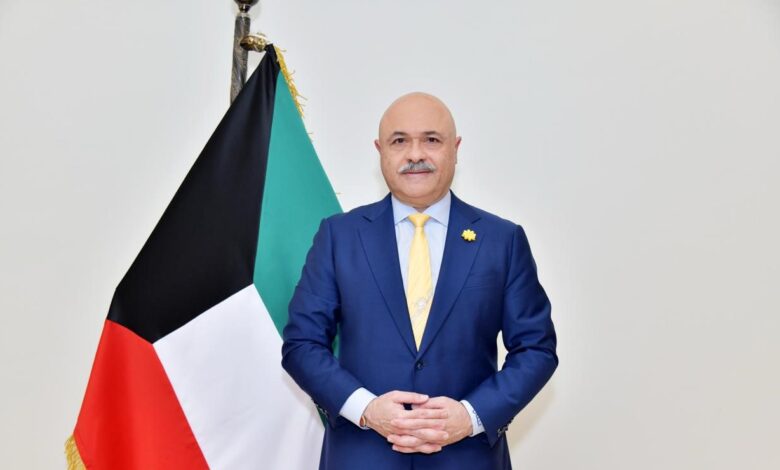
By H.E. Meshal Mustafa J Al-Shemali
Ambassador of the State of Kuwait to India
Special to The Times Kuwait
The Strait of Hormuz is a narrow waterway described as one of the most important strategic maritime passages in the world. It is a global energy lifeline, through which the most vital commodities of international trade — such as oil, natural gas, petrochemicals, and key raw materials essential to major industries across the world — are transported.
Approximately 20 million barrels of oil and petroleum products pass through it, accounting for about 20% of global oil and gas production.
The continued atmosphere of war and ongoing conflict in the Gulf region among the warring parties, along with the persistent threat to close the shipping lane in the Strait of Hormuz — a vital waterway and maritime passage for the Gulf states — has adversely affected the global economy, disrupted international trade flows, and had broader repercussions on global energy markets.
The suspension of oil and gas shipments from the Gulf states has significantly impacted the daily lives of many countries. This has been particularly evident among the vast majority of middle and low-income individuals, who have faced difficulties in securing cooking gas for their daily needs.
Furthermore, the agricultural season has been adversely affected due to the disruption in biological fertilizer shipments, threatening the collapse of an entire food production season for the nations that depend on these materials, potentially leading to substantial increases in food prices.
Moreover, the continued use of the Strait of Hormuz as a bargaining tool would drive energy, petrochemical, and petroleum prices to unprecedented levels, increase shipping costs, and significantly raise the overall cost of living.
In addition, early signs of disruption to global supply chains have already impacted the entire pharmaceutical sector, particularly medicines and therapeutic drugs that contain petrochemical components, leading to remarkable delays in surgical procedures in a large number of hospitals.
As for the position of my country — the State of Kuwait — regarding the imposition of restrictions on the freedom of maritime navigation in the Strait of Hormuz, the State of Kuwait reiterates its firm and consistent stance on maintaining the status of the Strait of Hormuz as a natural maritime passage, in accordance with the principles established under international law and the United Nations Convention on the Law of the Sea (UNCLOS) 1982, which guarantees the right of safe passage through the strait.
Kuwait also emphasizes its rejection of any unilateral measures or attempts to introduce or impose a new status quo that contravenes international laws governing global waterways.
Furthermore, the State of Kuwait emphasizes the need to intensify diplomatic efforts to ensure the freedom, security, and safety of maritime navigation through the Strait of Hormuz.
It also stresses the importance of the Islamic Republic of Iran’s compliance with United Nations Security Council Resolution 2817, and its full adherence to the rules and provisions of international law and the United Nations Convention on the Law of the Sea, 1982.
Thus, the Strait of Hormuz is not merely a waterway, but a vital artery for the global economy, and the continued interference by multiple parties poses a threat to the very fabric of human life and the key pillars of the global energy.
Maritime security in the Gulf region is therefore a shared international responsibility, and resolving the tensions within it requires dialogue and regional and international coordination in order to avoid greater future catastrophes.