- Cali, Pereira and Manizales among worst-hit areas
- Buildings collapsed, thousands made homeless, scores trapped under rubble as rescue operations continue
At least 132 people have been killed and more than 570 injured after a powerful magnitude 7.4 earthquake struck western Colombia, with rescue teams continuing to search collapsed buildings for survivors as authorities assess the scale of the destruction.
The earthquake struck at around 07:34 local time on Monday at a depth of about 103-107 kilometres, with the epicentre near San José del Palmar in Chocó province, according to seismic authorities.
The latest death toll is higher than the initial figures released in the hours after the quake, and officials have warned that casualties could rise further as emergency crews reach damaged and collapsed structures.

President Abelardo de la Espriella has declared a national disaster situation, giving the government additional powers to redirect resources and funds towards rescue and relief operations.
More than 1,500 homes have been damaged, while earlier government figures recorded dozens of destroyed homes, collapsed buildings and damage to schools and health facilities.
Cali, Pereira and Manizales among worst-hit areas
Pereira has been among the hardest-hit cities, with widespread structural damage and collapsed buildings. Rescue workers have been searching buildings where people may still be trapped.

In Cali, authorities reported numerous collapsed structures and requested additional rescue personnel from Bogotá and Medellín.
Earlier local figures reported dozens of deaths in the Valle del Cauca region, while Risaralda, including Pereira, also suffered significant casualties.
In Chocó, where the earthquake was centred, authorities reported deaths and dozens of injuries. Manizales also reported fatalities and damage, including damage to a tower of the city’s cathedral.
Colombia quake death toll rises to 132; rescuers sift through collapsed buildings for survivors
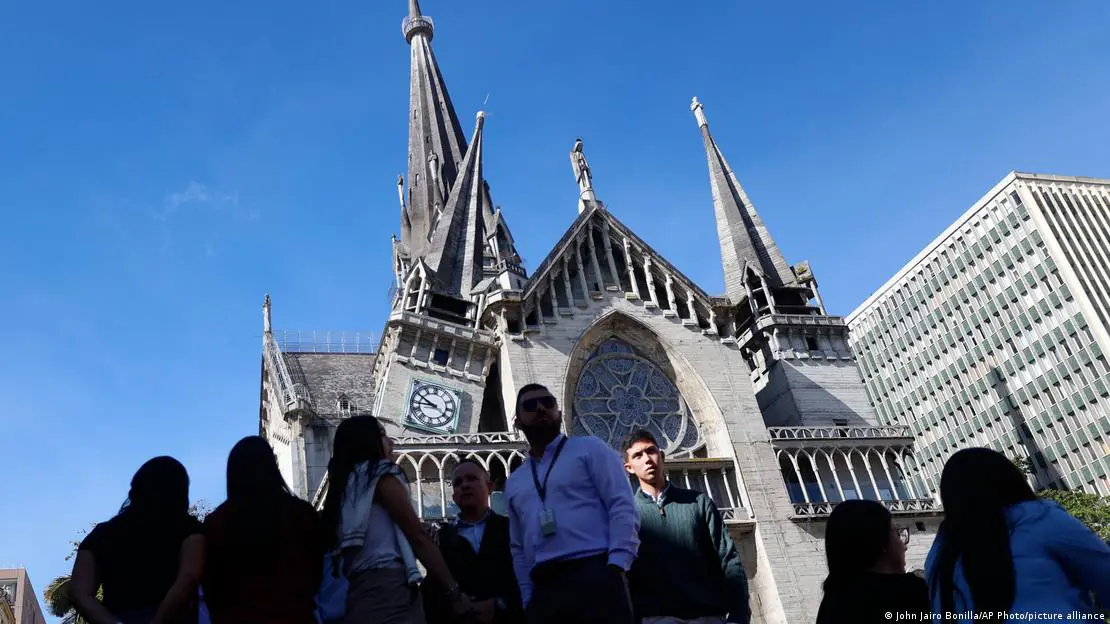
The earthquake was felt across a huge area of western and central Colombia, including Bogotá and Medellín, while tremors were also reported in neighbouring Ecuador, Panama and Venezuela.
Airports suspend operations
The earthquake disrupted air travel across the affected region.
Colombia’s civil aviation authorities temporarily suspended operations at several regional airports, including those serving Pereira, Manizales, Quibdó, Armenia, Cartago and Buenaventura, while engineers inspected runways, terminals and other infrastructure for structural damage.
Cali’s airport was also affected as authorities carried out precautionary inspections.

Aftershocks add to rescue challenges
A magnitude 5.0 aftershock was recorded less than an hour after the main earthquake, raising concerns for residents and emergency workers operating around damaged buildings.
The US Geological Survey estimated that about 1.5 million people experienced shaking close to magnitude 7.
Because the earthquake occurred at considerable depth, experts say its effects were felt across a wide area. Emergency authorities continue to warn residents to remain alert for further tremors and avoid entering damaged buildings.
International support offered
International offers of assistance have followed the disaster.
US Secretary of State Marco Rubio said Washington was closely monitoring the situation and was prepared to support Colombia.
European Commission President Ursula von der Leyen said the European Union’s Copernicus satellite service had been activated to assist rescue and emergency operations.
El Salvador has also offered personnel and equipment to help with the response.
Rescue operations continue
The earthquake struck in a seismically active part of Colombia near the Pacific Ring of Fire, one of the world’s major earthquake and volcanic zones.
For emergency teams, the immediate priorities remain finding survivors, treating the injured, securing damaged structures and restoring essential services.
With the latest death toll already reaching 132 and hundreds injured, authorities are continuing to assess damage across several provinces while rescue crews search collapsed buildings for anyone still trapped beneath the rubble.