Monsoon fury kills over 100 across India; floods, landslides displace thousands
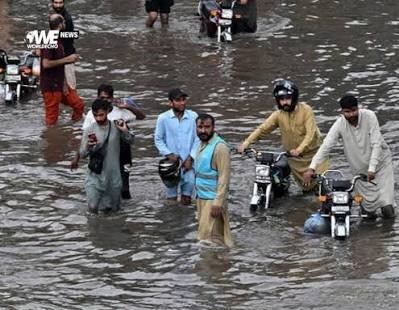
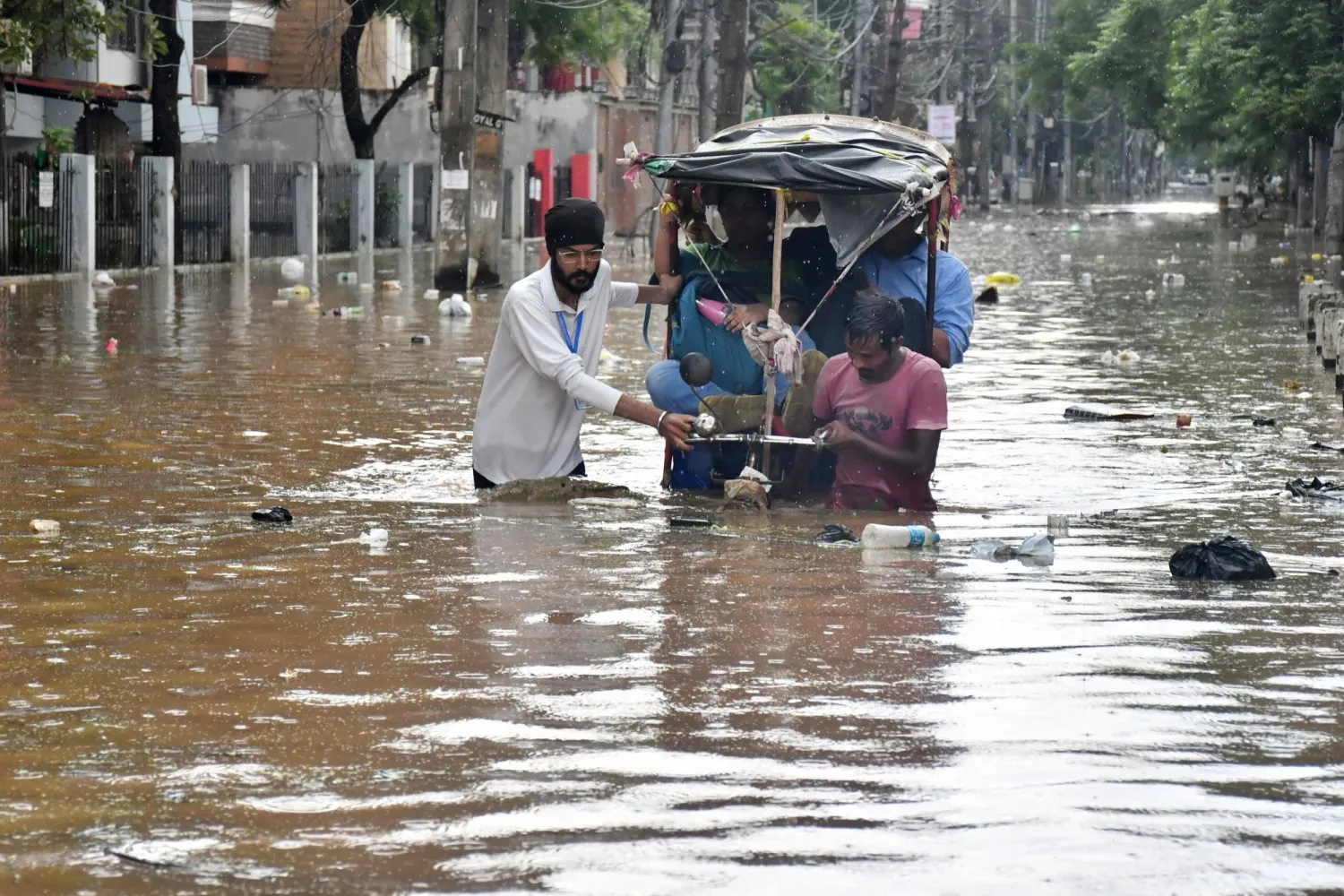
Torrential monsoon rains have claimed the lives of more than 100 people across India since July, triggering devastating floods, landslides, and lightning strikes that have displaced thousands and inundated entire communities.
Officials say the north-eastern state of Assam has borne the brunt of the disaster, while Kerala, Jammu and Kashmir, Bihar, and Jharkhand have also reported significant casualties.
Scientists warn that climate change is making South Asia’s annual monsoon increasingly erratic and destructive, intensifying extreme weather events that threaten lives, livelihoods, and infrastructure.
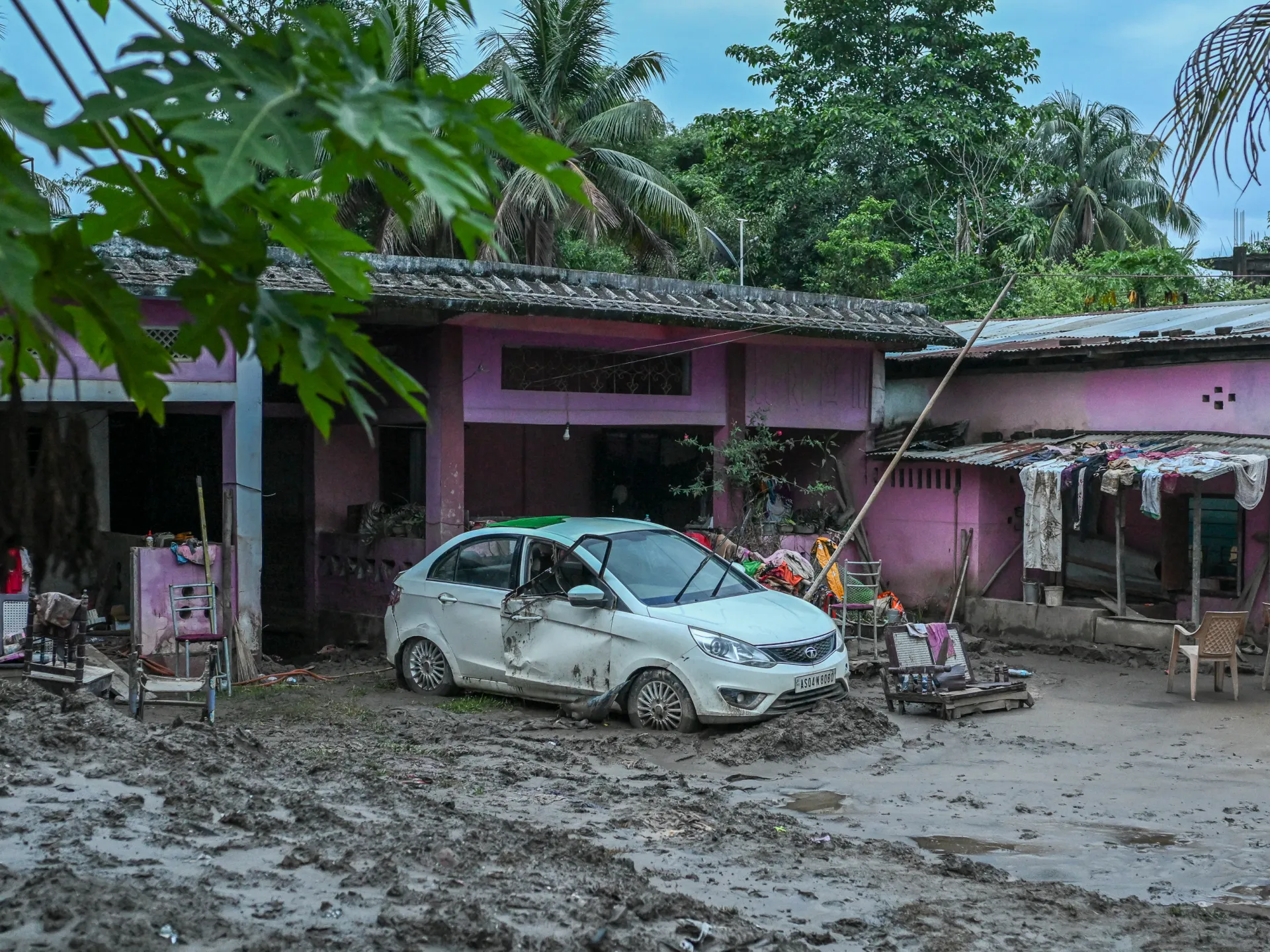
Authorities across the affected regions have launched large-scale rescue and relief operations as thousands remain in emergency shelters and floodwaters continue to submerge towns and villages.
In Assam, at least 87 people have died, with Sivasagar district reporting the highest toll of 47 fatalities. Chief Minister Himanta Biswa Sarma described the destruction as unprecedented and appealed for public donations to support relief and rehabilitation efforts.
“The devastation here is unlike anything these areas have witnessed before,” Sarma said, adding that while damaged property can be rebuilt, “no compensation can replace a loved one.”
In Kerala, at least 15 people were killed and seven remain missing after days of relentless rainfall triggered landslides and caused rivers to overflow. More than 300 relief camps are now sheltering over 10,000 displaced residents.
The Himalayan territory of Jammu and Kashmir has recorded at least 31 deaths following intense cloudbursts, while lightning strikes in Bihar and Jharkhand have killed at least 22 people, including four children, most of them farmers and cattle grazers caught outdoors.
The severe weather has also affected neighbouring Sri Lanka, where heavy monsoon rains have killed at least eight people and forced around 12,000 residents from their homes.
Meanwhile, eastern parts of the island nation are battling severe drought, prompting authorities to truck in drinking water.
Experts attribute the worsening weather extremes to climate change and the influence of the 2026 El Niño phenomenon, which has altered rainfall patterns across the region, increasing the risk of both devastating floods and prolonged droughts.