Minister Al-Yousef leads Kuwait delegation at UN Crime Prevention Congress in Abu Dhabi
. . . calls for stronger global cooperation to combat crime; pledges stronger cooperation on crime and criminal justice

First Deputy Prime Minister and Minister of Interior Sheikh Fahad Yousef Saud Al-Sabah headed Kuwait’s delegation at the 15th United Nations Congress on Crime Prevention and Criminal Justice, which opened Saturday in Abu Dhabi with the participation of representatives from countries, international organizations, experts and specialists.
In a statement issued by the Ministry of Interior, Al-Yousef said Kuwait’s participation in the Abu Dhabi Conference 2026 reflects the country’s keenness to maintain an active presence at international forums focused on security and criminal justice.
He stressed Kuwait’s support for joint international efforts and stronger cooperation and coordination among countries to confront security challenges, combat crime and enhance security and stability.
Al-Yousef expressed Kuwait’s appreciation to the UAE government and President Sheikh Mohammed bin Zayed for hosting the conference, its organization and hospitality. The conference is addressing a range of security and judicial issues, including combating organized crime and terrorism, strengthening criminal justice systems and the rule of law, developing crime prevention strategies and ensuring the responsible use of modern technologies.
It is also examining ways to strengthen international cooperation and partnerships and exchange experiences and practices to build capabilities in confronting evolving patterns of crime and improve access to justice amid rapid digital transformation.

Kuwait highlights integrated approach
In Kuwait’s statement to the conference, Ministry of Justice Undersecretary Awatif Al-Sanad said combating crime has become an international responsibility requiring integrated efforts, updated national legislation and stronger cooperation mechanisms among countries.
Al-Sanad said the conference is being held under exceptional circumstances, referring to what she described as Iranian aggression against GCC countries and some Arab countries, targeting vital facilities, airports, infrastructure and residential areas, and violating international laws, norms and principles of good neighborliness.
She said Kuwait, within the framework of Kuwait Vision 2035, has adopted policies to combat crime and enacted laws addressing drugs and psychotropic substances, domestic violence, beneficial ownership and commercial concealment. Kuwait has also given particular attention to combating cybercrime and cross-border crimes through the Information Technology Crimes Law, while supporting international efforts to combat illegal electronic uses, regulate digital trade and protect consumer rights, she said.
Al-Sanad added that Kuwait has strengthened its legislative framework for mutual legal assistance, combating terrorism, money laundering and terrorist financing through specialized national legislation and mechanisms, supporting cooperation at both the local and international levels.
She expressed hope that the conference would lead to understandings and decisions that strengthen international cooperation in preventing and combating crime and advancing criminal justice to promote security and safety for peoples.
Kuwait holds security meetings
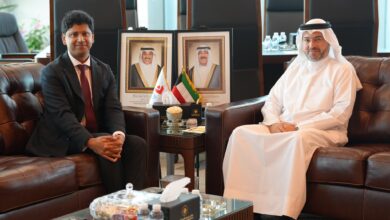
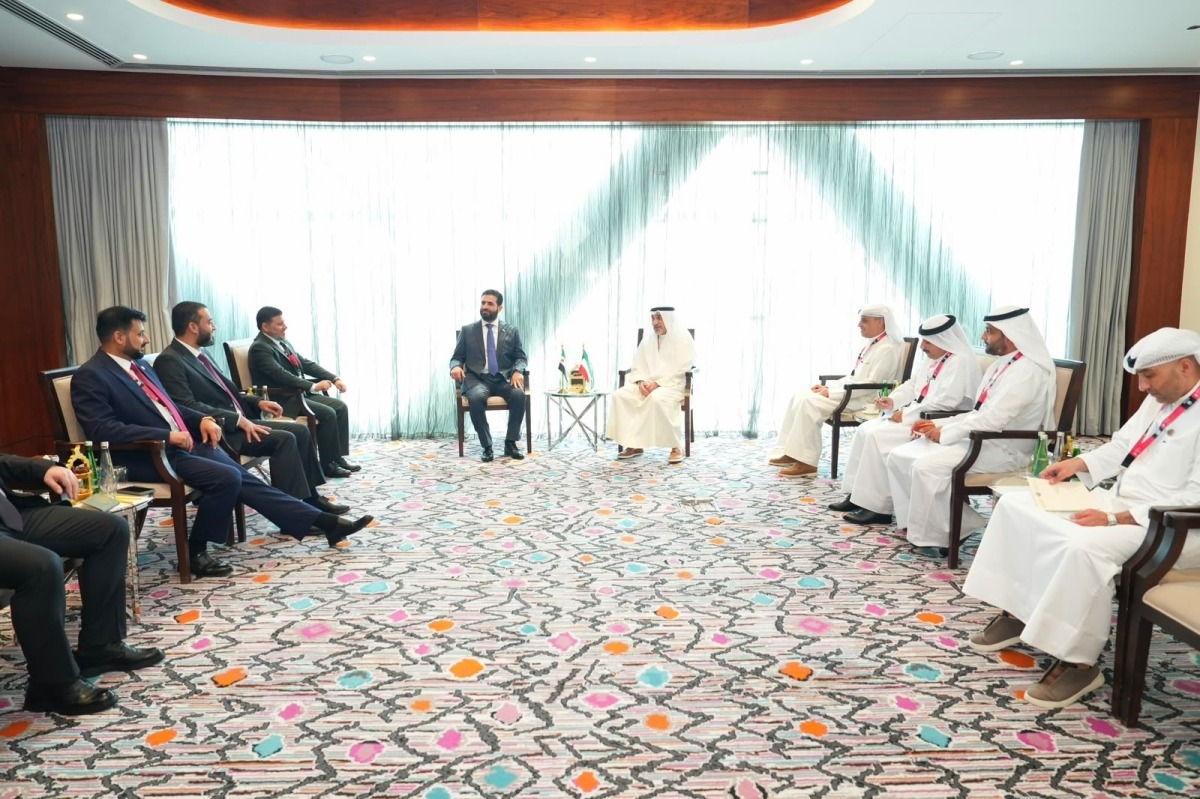
On the sidelines of the conference, Al-Yousef held separate meetings with Syrian Minister of Interior Engineer Anas Khattab and Malaysian Minister of Interior Datuk Seri Saifuddin Nasution, along with their accompanying delegations. The meetings discussed ways to strengthen security cooperation, exchange expertise and coordinate on areas of common interest.
Kuwait’s delegation, headed by Al-Yousef, includes Al-Sanad, Kuwait Ambassador to the UAE Jamal Al-Ghunaim, Financial Investigations Unit Head Dr. Hamad Al-Makrad, Criminal Security Affairs Sector Head Brigadier Fahd Al-Badr, and a number of officials and specialists.
Al-Sanad also thanked the UAE and its President for hosting the conference and praised Japan’s efforts in supporting the principles and strategies established by the Kyoto Declaration over the past five years.
She welcomed Uzbekistan’s announcement that it will host the 16th United Nations Congress on Crime Prevention and Criminal Justice, stressing that the Congress represents an important platform for shaping international policies and directions in combating crime and limiting its repercussions, particularly amid the emergence of new crimes and changing methods of committing them.