Kuwait reaffirms support for IAEA’s peaceful nuclear energy mission
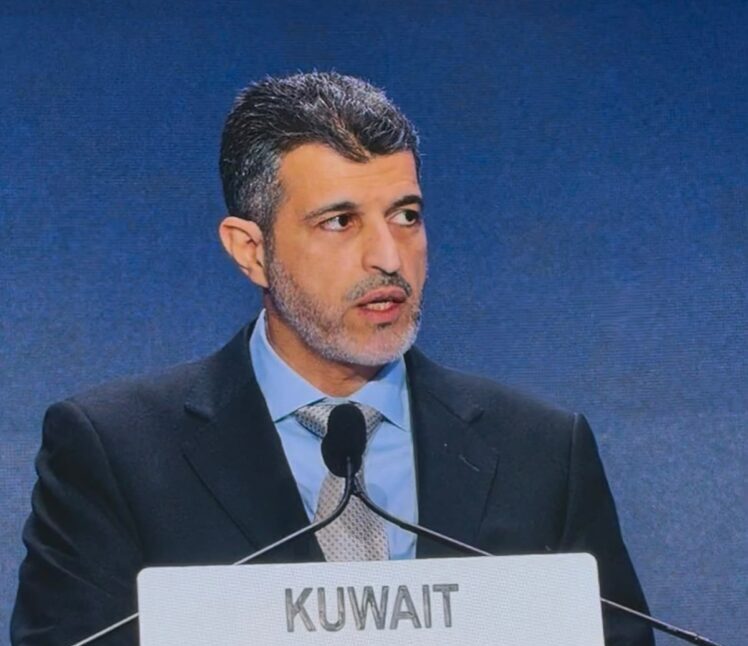
Kuwait has reaffirmed its commitment to international cooperation on the peaceful uses of nuclear energy, with a focus on energy security, water desalination, scientific research and the development of national expertise.
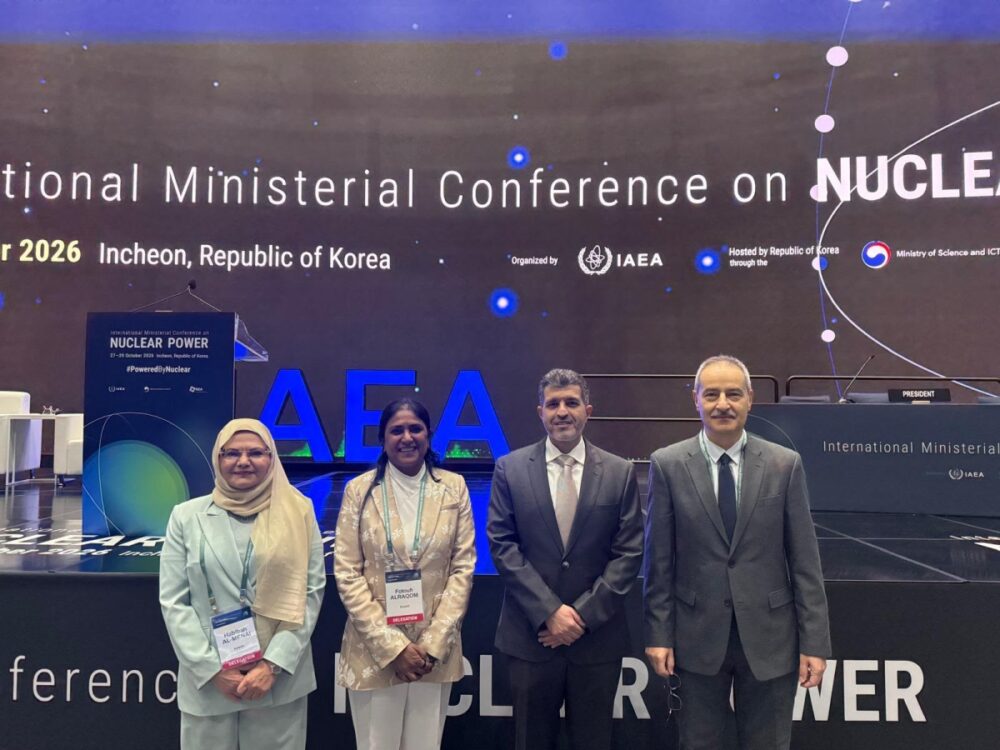
Dr. Faisal Al-Humaidan, Director General of the Kuwait Institute for Scientific Research (KISR), made the remarks during the International Ministerial Conference on Nuclear Energy 2026, held in Incheon, South Korea, from October 27 to 29.
Al-Humaidan said Kuwait’s participation in the conference coincided with its membership on the International Atomic Energy Agency’s (IAEA) Board of Governors for the 2026–2028 period, reflecting the country’s commitment to contributing to the agency’s work and strengthening international cooperation in peaceful nuclear applications.
He noted that countries were seeking to strengthen energy security, meet rising demand, reduce emissions and support sustainable development amid rapid changes in the energy sector. However, he stressed that no single energy pathway suited every country, as choices must reflect national needs, available resources and priorities.
Al-Humaidan highlighted the close link between energy and water security in Kuwait. Rising electricity demand and the country’s reliance on energy-intensive water desalination make long-term energy planning essential.
Kuwait is closely monitoring advances in nuclear technology, particularly small modular reactors and their potential applications in electricity generation and water desalination, he said. Any future assessment of the technology would consider national needs, safety and security requirements, nuclear safeguards, economic feasibility and sustainability.
He reaffirmed Kuwait’s support for the IAEA’s role in promoting peaceful nuclear applications, citing the country’s contributions to the agency’s laboratory development programme in Seibersdorf, the Peaceful Uses Initiative and the IAEA nuclear fuel bank.
Kuwait is also strengthening cooperation with the agency under the Fourth Country Programme Framework for Technical Cooperation for 2026–2035, signed on September 15, 2025. The framework identifies technical cooperation priorities and supports the transfer of nuclear technology and capacity-building in line with national development goals.
Al-Humaidan said the longstanding partnership between Kuwait and the IAEA provided a foundation for scientific cooperation and the development of national capabilities. Kuwaiti institutions are participating in the agency’s coordinated research projects on sustainable energy and hybrid systems combining nuclear and renewable energy.
Cooperation also covers capacity-building, health, water and food security, environmental monitoring, and nuclear and radiological safety and security. Al-Humaidan stressed that countries must develop the expertise needed to understand and assess technologies before deciding whether to adopt them.