Kuwait enacts sweeping ban on chemical weapons
. . . offenders face up to 15 years in jail
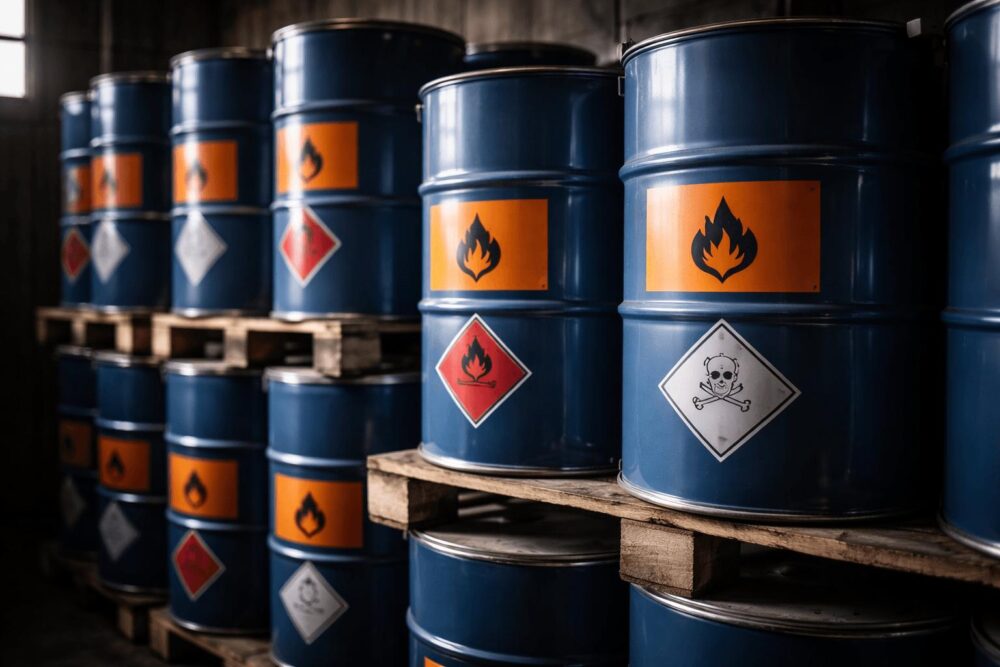
Kuwait has introduced a comprehensive legal framework prohibiting the development, production, possession, stockpiling, transfer and use of chemical weapons, with offenders facing up to 15 years in prison and fines of up to 10,000 dinars.
The new legislation also establishes strict controls over toxic chemicals, strengthens regulatory oversight and provides for the confiscation of materials involved in related offences.
Decree Law No. 138 of 2026 gives domestic legal effect to Kuwait’s obligations under the international Chemical Weapons Convention, reinforcing the country’s commitment to preventing the development, manufacture, acquisition, storage and use of chemical weapons.
According to the explanatory memorandum, Kuwait had approved the Convention on the Prohibition of the Development, Production, Stockpiling and Use of Chemical Weapons and on their Destruction under Law No. 3 of 1997. The convention was signed by Kuwait on January 27, 1993.
The memorandum explains that the adoption of specific national legislation became necessary to implement the country’s international obligations and ensure compliance by both individuals and legal entities.
Under Article 3, the law prohibits any natural or legal person from directly or indirectly developing, producing, acquiring, storing, consuming, possessing, retaining or transporting chemical weapons, as well as using or threatening to use them.
Article 4 establishes strict controls over toxic chemicals, prohibiting their import, export, transportation, storage, manufacture, trade, possession or use without a licence from the National Committee for the Prohibition of Chemical Weapons. It also expressly prohibits the establishment of factories, laboratories or warehouses for activities involving such chemicals.
To oversee implementation, Article 5 provides for the establishment of a National Committee for the Prohibition of Chemical Weapons, in accordance with the requirements of the international convention. The competent minister will issue a decision forming the committee, comprising representatives of relevant government authorities, and determine its chairmanship, working procedures and responsibilities.
Article 6 allows the use of chemical substances for purposes exempted under the decree-law, while maintaining an absolute prohibition on their use as a method of warfare. Their use for security purposes, including controlling domestic riots, is permitted subject to applicable regulations and the conditions set out in the law’s executive regulations. The legislation establishes severe criminal penalties for violations.
Under Article 7, anyone involved in developing, producing, possessing, acquiring, owning, using, transferring or storing chemical weapons, or assisting, inciting or conspiring to commit such offences, faces imprisonment ranging from five to 15 years and a fine of between 3,000 and 10,000 dinars.
The same article criminalises attempts to undertake military or other preparations with the intention of using chemical weapons, prescribing the same penalties as those applicable to the completed offence. Confiscation of materials involved in the crime is mandatory in all cases.
Article 8 sets out separate penalties for offences involving chemical substances, including their production, development, possession, acquisition or use, as well as trading in or transporting such materials. Violators face imprisonment of between three and five years, fines ranging from 3,000 to 6,000 dinars and confiscation of the seized items.
The law also provides for tougher punishment when offences are committed by an organised criminal group or by a public official exploiting their position or influence. Under Article 13, both the minimum and maximum penalties are doubled, although the resulting prison term cannot exceed life imprisonment.
Article 14 provides incentives for cooperation with the authorities through exemptions from punishment. A person who reports an offence before it is committed and before the competent authorities begin search and inspection procedures is eligible for mandatory exemption.
Courts may also grant exemptions when information is provided after the offence but before investigations begin, or when the accused assists authorities in arresting other perpetrators or identifying locations where chemical weapons or substances are stored.
Article 15 further strengthens enforcement by stipulating that criminal proceedings for offences covered by the decree-law are not subject to limitation or extinguishment. It also requires the confiscation and disposal of seized materials in accordance with procedures established under the executive regulations.