Kuwait Draws the Line on Nature Reserve Violations, Fines Reach KD 50,000
Kuwait is drawing a firm legal line around its natural heritage, with environmental offenders facing jail terms and fines of up to 50,000 dinars for damaging protected ecosystems, trading in endangered species or violating nature reserve regulations.
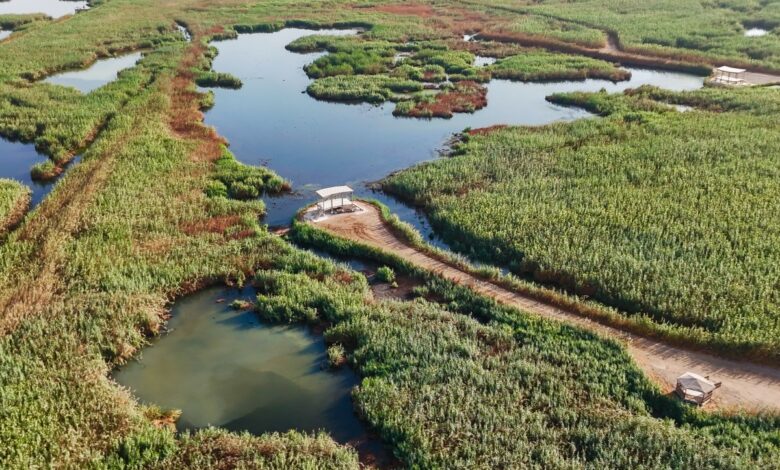
• With 227 bird species recorded in the country and its reserves serving as vital sanctuaries for rare wildlife and marine life, authorities are enforcing strict protections to prevent these irreplaceable natural assets from falling prey to human encroachment and environmental abuse.
Kuwait’s nature reserves are vital environmental assets that protect biodiversity, restore damaged terrestrial and marine ecosystems and provide safe habitats for rare wildlife. The country is also an important international bird migration corridor, with 227 bird species recorded in the latest statistics.
Article 105 of the Environmental Protection Law prohibits 14 categories of activities within nature reserves, including fishing, shrimping, hunting, disturbing wildlife, grazing, collecting shells and coral, starting fires, damaging vegetation, unauthorised vehicle movement, construction, camping, damaging reserve fences, excavation, quarrying and dumping waste. It also prohibits activities that damage marine and terrestrial habitats.
Violators face imprisonment of up to one year and fines ranging from 500 to 5,000 dinars under Article 150. Article 149 imposes similar penalties for hunting, killing or disturbing wildlife and birds or damaging their nests, with confiscation of the animals and equipment involved.
Penalties are higher for serious environmental offences. Under Article 151, trading in endangered species can result in imprisonment of one to three years and fines ranging from 5,000 to 50,000 dinars.
Article 148 provides for imprisonment of up to one year and fines of 2,000 to 20,000 dinars for damaging soil layers or extracting gravel and sand within reserves and along their coasts. Under Article 147, fines for water pollution and illegal waste disposal range from 50 dinars to 50,000 dinars or more, depending on the violation.
Dr Mubarak Al-Hajri, Chairman of the Kuwait Society for Earth Sciences, told Al-Rai that reserves are the first line of defence for geological and biological diversity. He cited the Kuwait Geopark project as an example of how protecting natural sites from encroachment and vandalism can turn them into important environmental and tourism destinations.
Environmental activist Dr Fnees Al-Ajmi stressed that reserves are an essential natural resource amid rising temperatures, desertification, water scarcity and pollution. He described them as repositories of seeds, plants, birds, insects and reptiles, warning that their protection is vital to environmental and public well-being.
Environmental activist Faisal Malik, known as Ibn Qaruh, highlighted the importance of marine reserves, particularly Qaruh Island, whose coral reefs provide food and shelter for fish, sea turtles and other marine life.
He said conservation efforts have helped coral reefs recover, increased fish populations and supported the return of rare marine species. Citizens and residents were urged to respect reserve boundaries, avoid unauthorised entry and help prevent damage to wildlife and vegetation.