Women bring a humane dimension to diplomatic work
Successful diplomats combine flexibility with decisiveness, integrity with sound judgement, and are able to communicate and build relationships even in multicultural environments
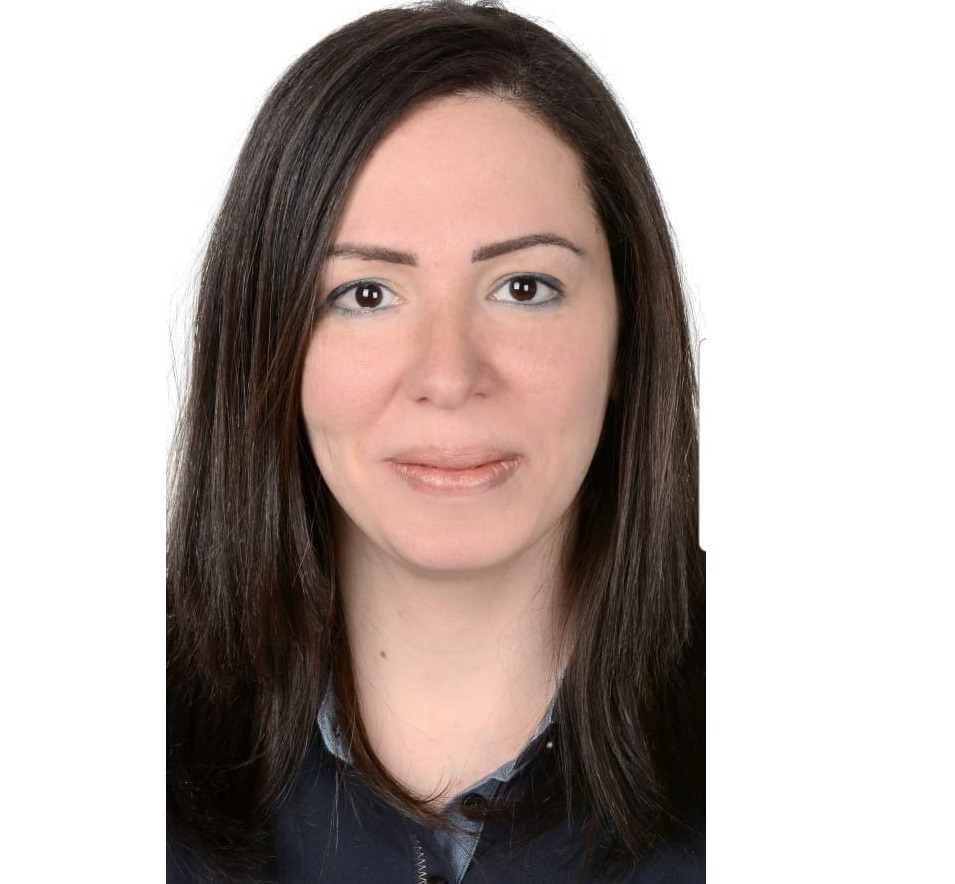
Deputy Head of the Egyptian Mission in Kuwait, Noura Abdul Hadi
The Times Kuwait Report
Diplomacy is built on the meeting of cultures and the balancing of national interests, carried out by individuals who represent their countries with commitment and integrity. A shining example of this dedication to effective diplomacy is Deputy Head of the Egyptian Mission in Kuwait, Noura Abdul Hadi, who continues to advance in her diplomatic career with steady confidence, guided by her interest in global understanding and the principles of dialogue and openness.
From a young age, Hadi was drawn to exploring civilizations and promoting cultural exchange, a path that naturally led her to diplomacy, which she describes as “a profession that unites reason with emotion, and intellect with empathy.”
Despite her successive successes, her path in diplomacy has not been free of challenges, particularly when it comes to stereotyping attitudes in some societies on the role of women. She points out that “male bias is still present in certain environments, which requires women to exert extra effort to prove their competence.
However, I have always believed in the power of perseverance and in building professional relationships based on mutual respect, and the results have been encouraging and rewarding.”
She believes women add a vital humane dimension to diplomatic work through their intrinsic compassion and empathy for others, their ability to listen effectively, build trust, and adopt a collaborative approach suited to contemporary challenges. Hadi adds that both men and women have unique qualities, but women today are demonstrating that they are an indispensable part of modern diplomacy.
Commenting on a significant milestone in her professional career, Hadi recalls a humanitarian moment that left a lasting impact. She participated in facilitating an urgent relief initiative in a neighboring country, which provided thousands of families with support. She explains that seeing the direct impact of those efforts on people’s lives is what gives this work its true meaning.
Hadi believes that a successful leader in this field must combine flexibility with decisiveness, integrity with sound judgment, and the ability to communicate and build relationships in multicultural environments, even under the most complex circumstances.
Regarding the importance of diplomacy to reflect the diversity of society, she emphasizes the need to empower women and disadvantaged groups to join the diplomatic corps, and ensure that the foreign policy of their nation represents the entirety of people, not just the elite.
In a message to aspiring young women, Hadi advises anyone seeking to enter the diplomatic field to cultivate a passion for international affairs, maintain a constant willingness to learn, and never hesitate to express their opinion. She concludes, “Change begins with youth, and strong representation begins from within.”
Reflecting on her time in Kuwait, Hadi described it as one of the most enriching periods of her career, saying, “It was a remarkable experience on both the professional and personal levels. Kuwait is a traditionally hospitable country, and interactions with my Kuwaiti colleagues was constructive and rewarding. I always felt valued and supported by all parties. This experience will remain a shining milestone in my diplomatic journey.”