KISR develops advanced polymer fibres to strengthen concrete, improve durability
Kuwaiti research project combines polypropylene and polyethylene to enhance crack resistance, impact performance and the lifespan of concrete structures
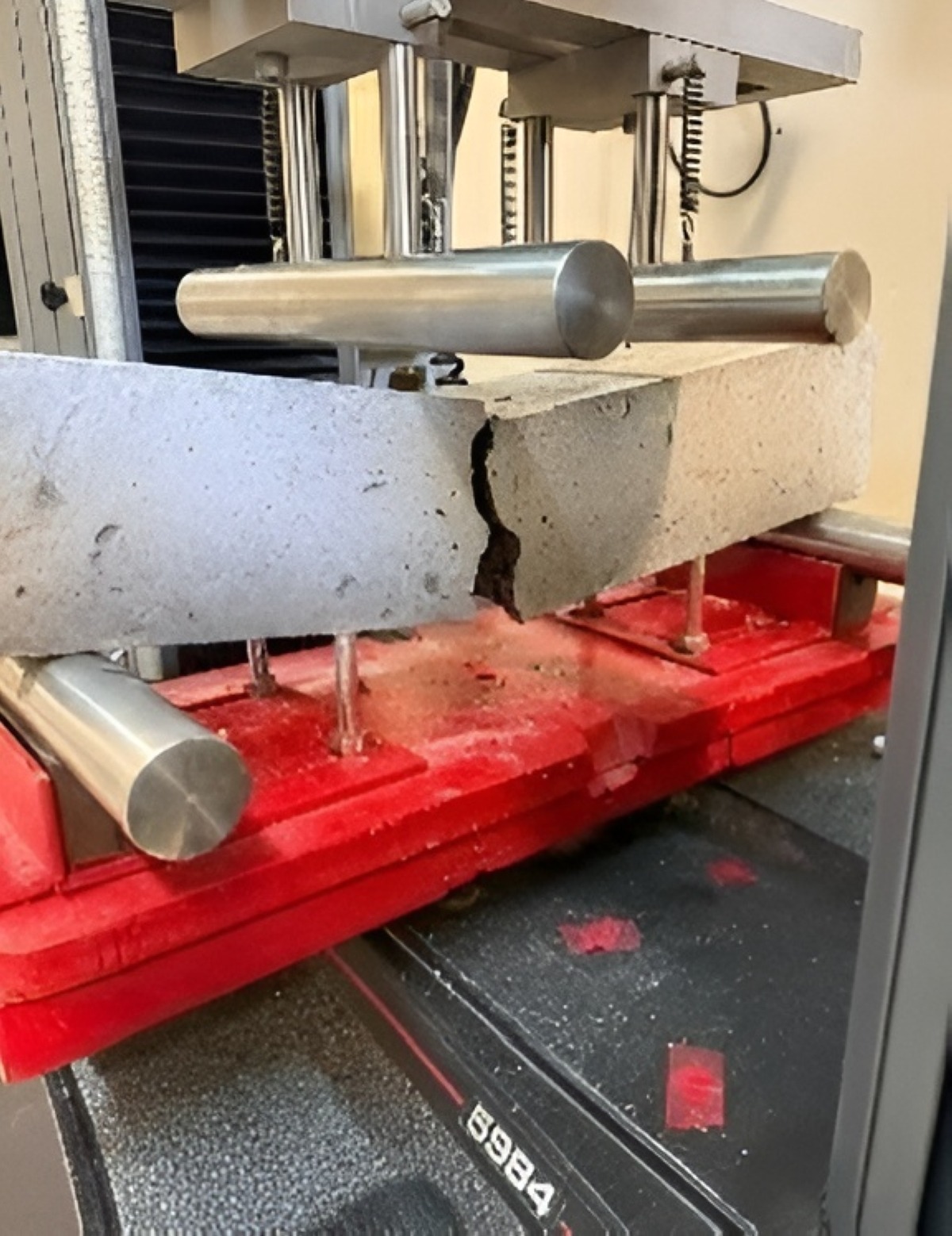
The Kuwait Institute for Scientific Research (KISR) has completed a research project to develop advanced synthetic polymer fibres designed to improve the strength, durability and performance of reinforced concrete, potentially supporting wider applications in Kuwait’s construction and industrial sectors.
The project, titled “Development, enhancement and implementation of a blend of advanced synthetic polypropylene and polyethylene fibres to improve the properties of reinforced concrete,” was undertaken by KISR’s Petroleum Research Center under the leadership of Dr. Salah Al-Enezi, Director of the Petrochemicals and Materials Technology Program, in cooperation with EQUATE Petrochemical Company and with support from the Kuwait Foundation for the Advancement of Sciences.
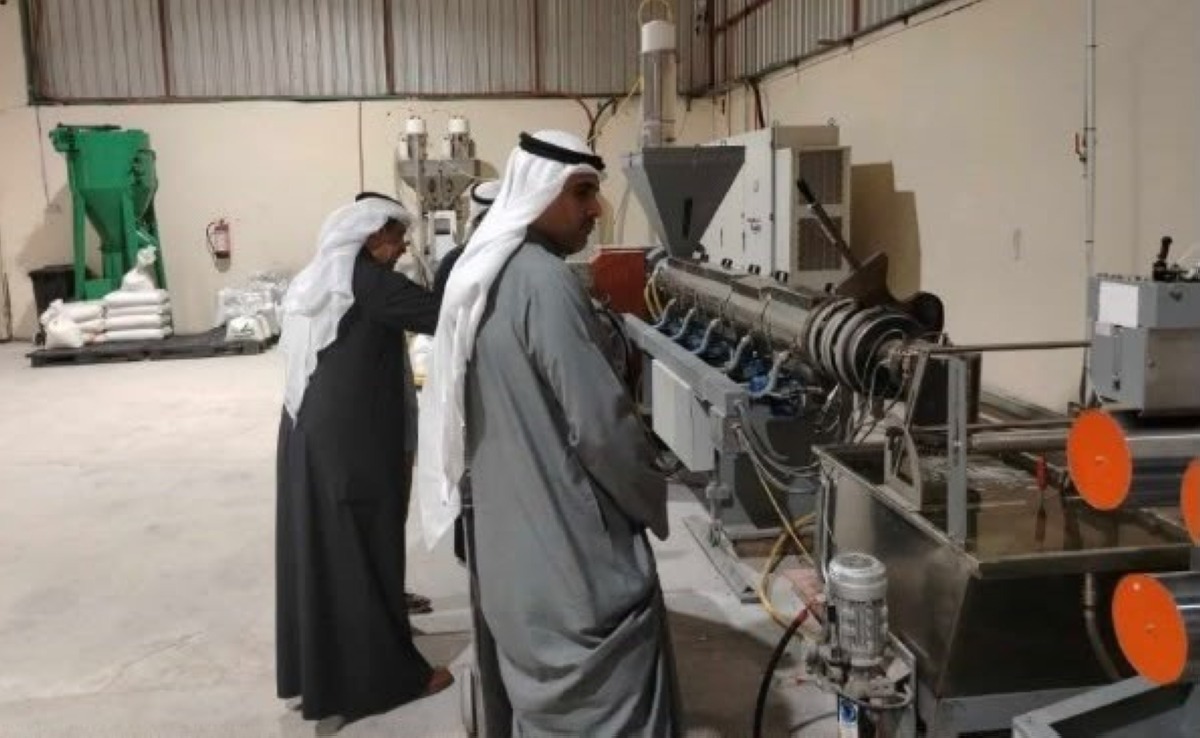
The research focused on developing synthetic fibres using combinations of polypropylene and polyethylene to enhance concrete’s mechanical properties, improve its resistance to impact and cracking, and extend the service life of concrete structures.
An important objective was to increase the added value of locally available polymers by converting them into specialised engineering products with practical applications in construction and national industries. The initiative also sought to develop innovative research solutions that encourage the use of local materials and strengthen cooperation between scientific research institutions and industrial companies.
Improved impact resistance and post-cracking performance
The project successfully developed polymer fibres using a blend of polypropylene and linear low-density polyethylene (PP/LLDPE), establishing their suitability for manufacturing and incorporation into concrete.
Research findings demonstrated that the fibre-reinforced concrete achieved improved impact resistance, greater durability and enhanced load-bearing capacity after cracking. The fibres had only a limited effect on the material’s compressive strength.
The findings also identified potential applications for the developed fibres in industrial flooring, road pavements and precast concrete components, opening opportunities for their use in different construction applications.
As part of the research outcomes, a scientific paper was submitted for publication in the internationally peer-reviewed Journal of Building Engineering.
The project forms part of KISR’s broader efforts to develop innovative scientific and technological solutions for the construction sector, promote the utilization of locally available resources and products, strengthen national industrial capabilities and support Kuwait’s sustainable development objectives.