- Iranian missile strikes hit Qatar’s Ras Laffan, damaging the world’s largest LNG hub and igniting major fires.
- Doha condemns a “blatant” sovereignty breach and expels Iranian military attachés in a swift diplomatic escalation.
- No casualties reported, but multiple facilities were struck, compounding damage across the critical energy complex.
- Global energy markets face prolonged pressure as tensions threaten supply stability across Europe and Asia.
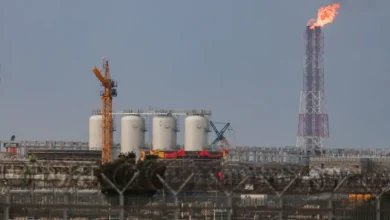
In a dramatic escalation that underscores the widening fallout of the regional conflict, Qatar has confirmed that Iranian missile strikes inflicted significant damage on the strategic Ras Laffan Industrial City — the beating heart of its global gas empire.
In a sharply worded statement, Qatar’s Ministry of Foreign Affairs condemned what it described as a “blatant and dangerous attack”, accusing Tehran of violating the country’s sovereignty and igniting fires that tore through critical infrastructure at the facility.
Despite the scale of the assault, authorities moved swiftly to contain the situation. The Ministry of Interior confirmed that the fires were largely brought under control, while QatarEnergy assured that all personnel were accounted for and no casualties had been reported.
However, the situation deteriorated further. In a subsequent update, QatarEnergy revealed that additional LNG facilities had been struck, triggering wider fires and compounding the damage across the industrial complex.
The strikes came on the heels of explicit Iranian threats to target energy infrastructure across the Gulf, in retaliation for attacks on its South Pars gas field amid the intensifying confrontation involving the United States and Israel, reports Al-Jazeera daily.
In a decisive diplomatic response, Doha declared the Iranian embassy’s military and security attachés persona non grata, ordering their departure within 24 hours. The move signals a sharp rupture in relations and reflects Qatar’s view that Iran’s actions constitute a direct threat to national security.
“Such escalatory policies risk dragging the entire region to the brink,” the Foreign Ministry warned, cautioning that countries not party to the conflict are now being pulled into its expanding cycle of instability.
The gravity of the situation prompted urgent international engagement. French President Emmanuel Macron confirmed consultations with Qatar’s Amir, Tamim bin Hamad Al Thani, and U.S. President Donald Trump, calling for an immediate halt to strikes targeting civilian and energy infrastructure.
Ras Laffan — located roughly 80 kilometers northeast of Doha — is no ordinary facility. It is the world’s largest liquefied natural gas hub, responsible for nearly 20 percent of global LNG supply, making it indispensable to energy markets from Europe to Asia.
While production had already been suspended earlier this month following prior attacks, analysts warn the implications could be long-lasting.
Supply disruptions may be avoided in the immediate term, but prolonged instability threatens to keep global energy prices elevated and strain regional power systems.
The ripple effects are expected to be felt most acutely in import-dependent economies. From Europe — still recalibrating after the loss of Russian gas — to major Asian consumers such as Japan and India, the stakes are high. For developing economies, rising LNG costs could prove especially punishing, potentially triggering demand shocks and economic stress.
As tensions surge, the attack on Ras Laffan marks a critical inflection point — not only for Gulf security, but for the fragile equilibrium of global energy markets.