Inside Kuwait’s secret anti-smuggling frontline, 157 elite dogs hunt drugs, explosives and hidden cash
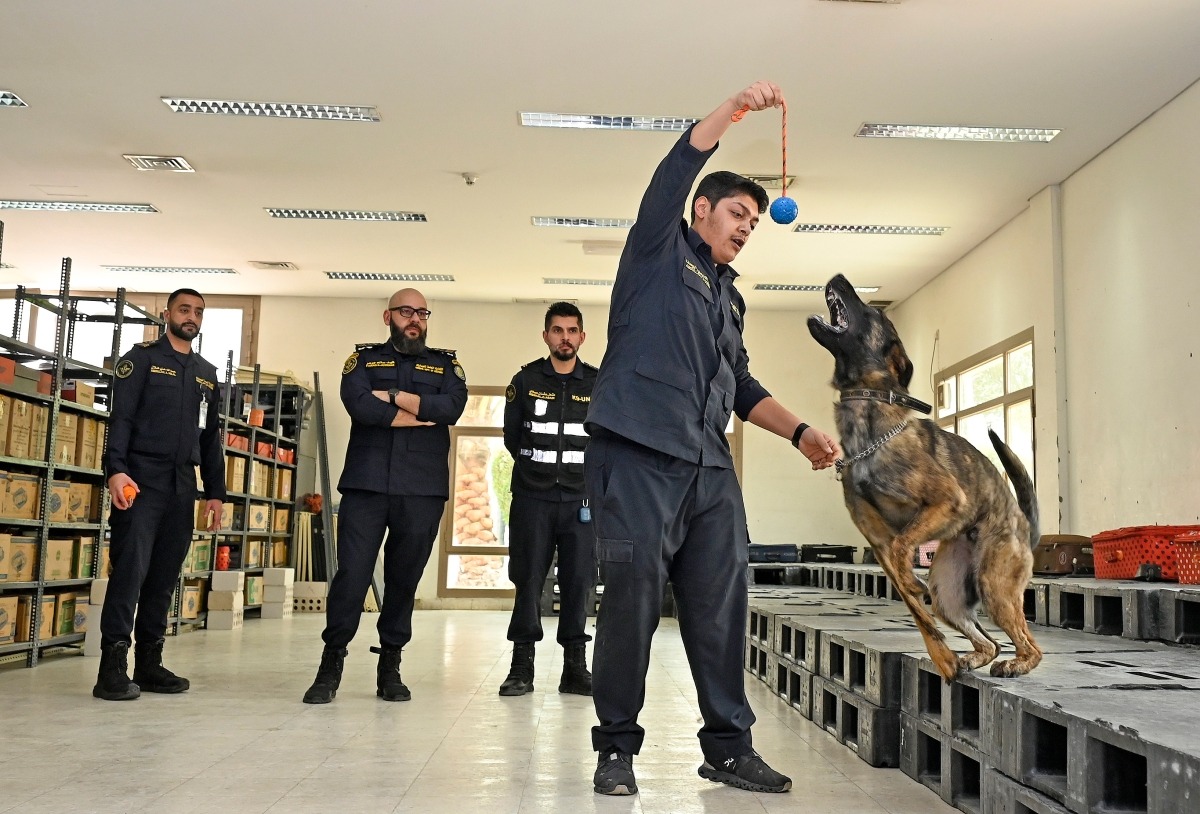
Around 140 Kuwaiti customs inspectors oversee operations and supervise the company responsible for providing logistical support, including trained dogs, handlers, medical care and housing facilities.
While Kuwait’s military and security forces defend the nation’s borders, the Tracking Division of the General Administration of Customs has emerged as a powerful internal shield protecting the country from drug trafficking, explosives and smuggling operations.

Operating across land, sea and air ports, the elite customs unit relies heavily on highly trained police dogs and specialized inspectors to uncover prohibited materials and safeguard society, particularly young people, from narcotics.
During a field tour of the Tracking Division headquarters in Al-Sulaibiya, officials highlighted the extensive work carried out by the unit, which was established in 2006 under the Customs Investigation and Research Office.
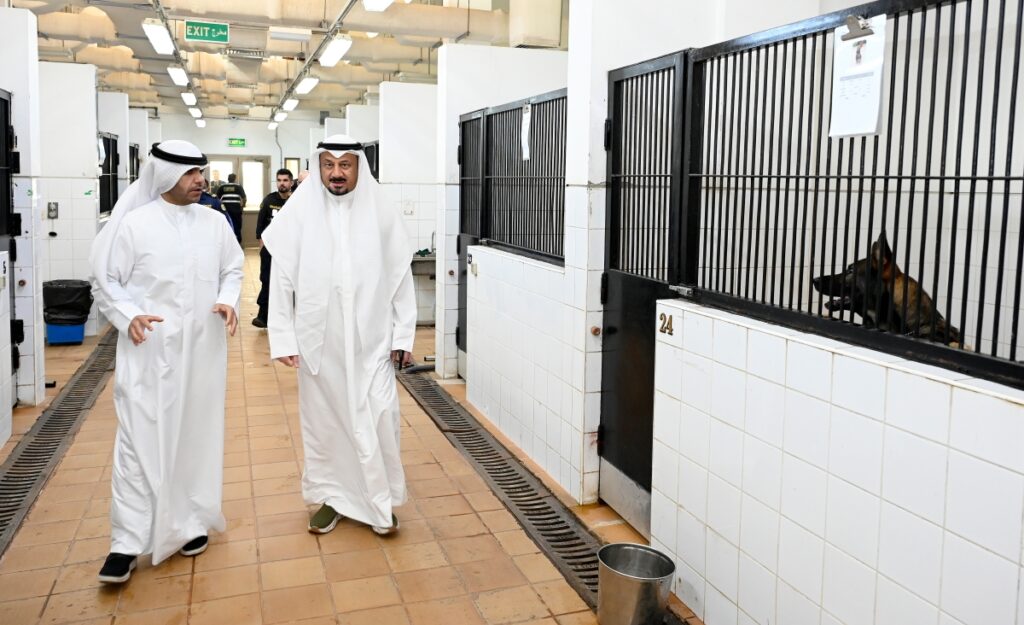
The division cooperates closely with security agencies inside and outside Kuwait and has contributed to uncovering numerous smuggling cases through intelligence-sharing and joint investigations with regional and international authorities.
According to the head of the Customs Tracking Unit, Hamad Ali Al-Damkhi, the administration currently operates seven tracking centers spread across Kuwait’s land, sea and air entry points, in addition to the main Al-Sulaibiya center.
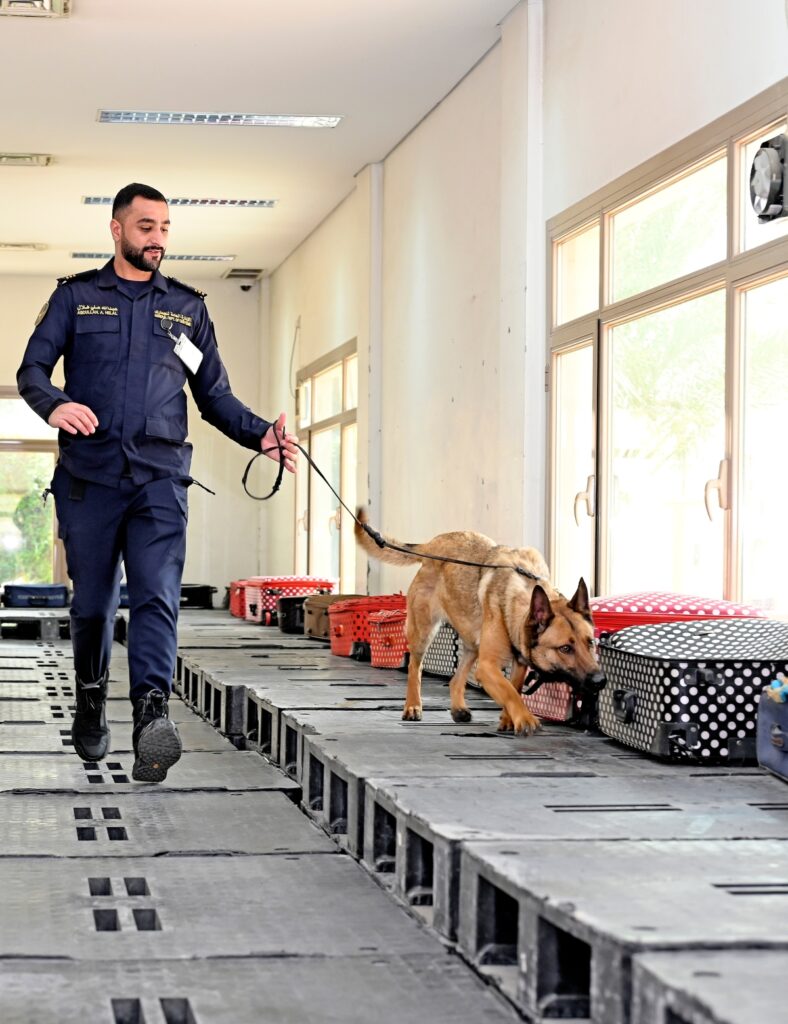
Around 140 Kuwaiti customs inspectors oversee operations and supervise the company responsible for providing logistical support, including trained dogs, handlers, medical care and housing facilities.
The unit’s primary mission is to inspect cargo, vehicles and passengers using specially trained dogs capable of detecting drugs, explosives and smuggled money.
Officials emphasized that inspectors undergo continuous specialized training inside Kuwait and abroad to stay updated on the latest smuggling techniques and concealment methods used by traffickers.
The division currently operates 157 police dogs of various breeds, including German Shepherds, Belgian Malinois, Labradors and Cocker Spaniels.
Officials noted that German Shepherds are favored for their intelligence and fast learning abilities, while Malinois dogs are widely used for inspecting high trucks due to their agility.
Most dogs are imported from Germany, Hungary and the Netherlands and begin training at six months old before serving until around seven years of age.
The customs administration also revealed that smugglers use increasingly sophisticated camouflage techniques, including mixing narcotics with pepper, flour or onions, and hiding them inside carpets, towels, gas cylinders and wooden structures.
However, officials stressed that continuous training and intelligence exchange allow both dogs and handlers to detect such concealment methods effectively.
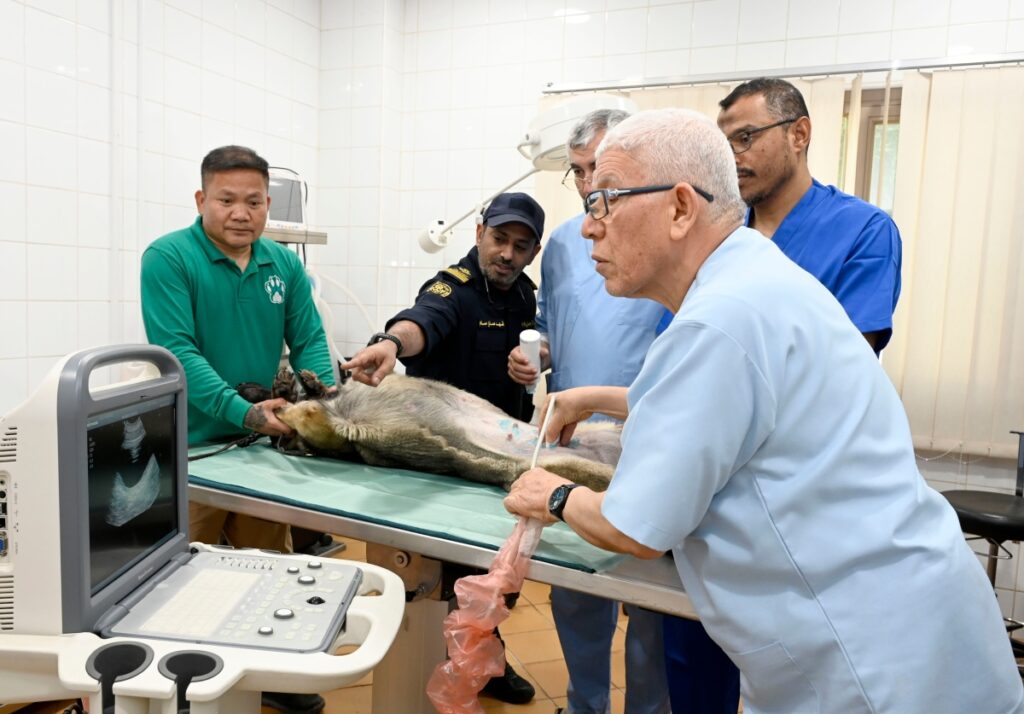
Authorities highlighted the extensive medical and technical care provided to the dogs through a fully equipped veterinary clinic that includes radiology units, operating rooms and pharmacies.
Officials also denied rumors that detection dogs become addicted to narcotics, explaining that the dogs are trained only to identify scents without direct exposure to drugs themselves.
Despite the success of the unit, inspectors acknowledged the demanding nature of the job, which includes long working hours and injuries caused by dog bites during operations and training, Al-Rai daily reports.
Nevertheless, the Tracking Division continues to play a crucial role in Kuwait’s national security framework, with officials revealing that the unit uncovered 10 major smuggling cases in 2025 alone, reaffirming its position as one of the country’s strongest lines of defense against organized smuggling networks.