






India: A Journey Beyond The Ordinary
India doesn't simply give travellers places to see. It gives them stories to take home.
The Times Kuwait Report
India is not a country you simply visit. It is a country you experience often in ways you did not expect.
You can begin a journey in the shadow of the Himalayas and, days later, find yourself surrounded by coconut palms in Kerala. You can walk through a centuries-old fort in Rajasthan, watch wildlife in a national park, sit quietly in a Himalayan monastery or lose yourself in the colours and sounds of an Indian market.
Few countries can offer such extraordinary variety within a single destination. That is perhaps India’s greatest tourism advantage. It doesn’t offer just one holiday. It offers a lifetime of journeys.
More than monuments
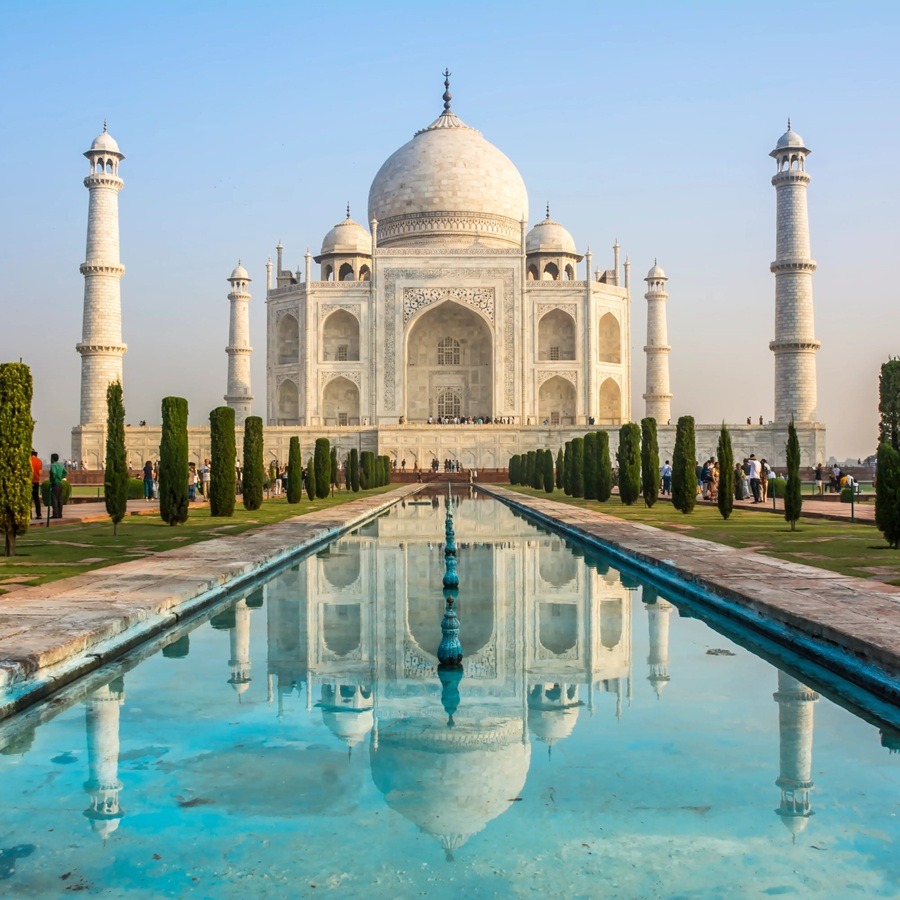
For decades, India’s tourism image was built around a handful of famous attractions the Taj Mahal, the forts and palaces of Rajasthan, the beaches of Goa and the backwaters of Kerala. Those places remain enormously popular. But the India that travellers are discovering today is much bigger than its most photographed landmarks. Increasingly, people are coming to India not simply to see something, but to experience something.
They want to eat where locals eat. They want to stay in a heritage home. They want to learn about traditional crafts, walk through historic neighbourhoods, experience a festival, travel through the countryside or simply spend time with people whose lives may be very different from their own.
India’s tourism story is gradually shifting from seeing places to experiencing them. And that change matters far beyond tourism.The economic power of a visitor. Tourism can sometimes appear to be about hotels, airlines and sightseeing.
In reality, its reach is much wider. Think of a traveller arriving in India. They book a room, take a taxi, eat at a restaurant, buy something from a local shop, hire a guide and perhaps purchase a handmade product to take home. Each of those transactions supports someone. It may be a family running a homestay in Ladakh, a boatman taking visitors through Kerala’s backwaters, a camel guide in Rajasthan, a tea estate worker in Assam or an artisan in Kutch.

Behind every holiday is therefore an entire network of people whose livelihoods are connected to tourism. That is one reason tourism has become such an important economic engine for India. And unlike industries concentrated in major cities, tourism can bring economic activity to smaller towns, villages and remote regions that may have fewer opportunities.
A tourist may see a beautiful destination.
For a local family, that visitor can represent income, opportunity and a reason for the next generation to continue a traditional livelihood. One country, countless journeys. Perhaps the easiest way to understand India’s tourism appeal is simply to look at the range of experiences available.
For adventure seekers, there are Himalayan trekking routes, white-water rivers, paragliding opportunities and the coral-rich waters of the Andaman and Nicobar Islands.
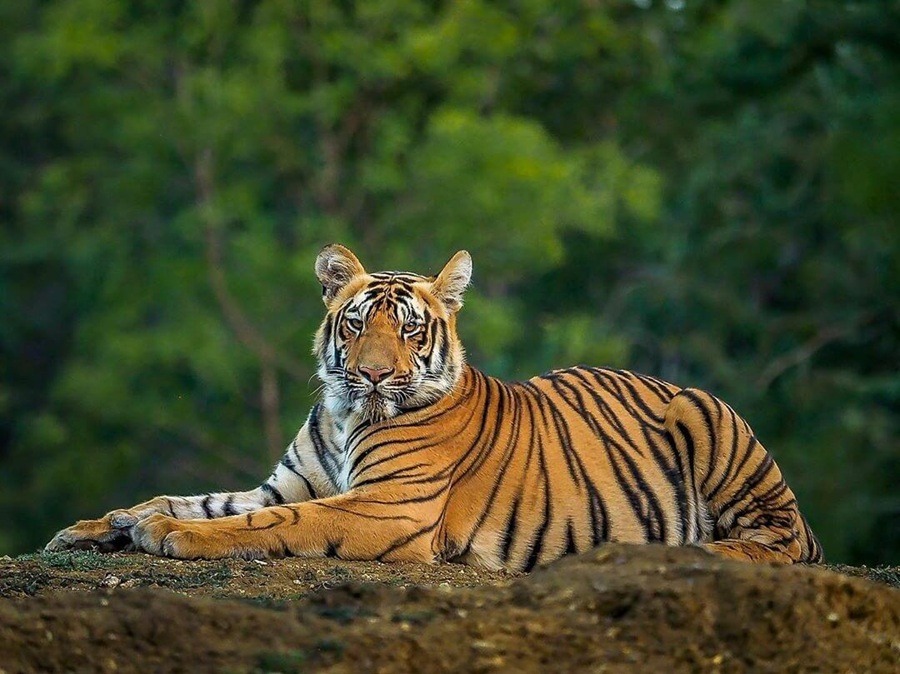
For wildlife lovers, India’s forests offer encounters with Bengal tigers, Asiatic lions, one-horned rhinoceroses, elephants, snow leopards and hundreds of bird species.
For history lovers, the country is almost an open-air archive.
Ancient temples, Mughal monuments, medieval forts, colonial buildings and archaeological sites tell stories spanning more than five thousand years of civilization.
And then there are the quieter experiences the ones that may not make the front page of a travel brochure but often stay with people the longest.
When a holiday becomes something more
Long before wellness became a global travel trend, India had traditions built around the idea of balancing the mind, body and spirit. Today, travellers arrive in Rishikesh for yoga, Kerala for Ayurveda, the Himalayas for meditation and places such as Varanasi, Bodh Gaya and Amritsar in search of spiritual experiences.
For some, it is simply a chance to slow down. For others, it becomes something much deeper. That is an important part of India’s tourism appeal. A journey here does not always end with a photograph. Sometimes it leaves a person thinking differently, feeling refreshed or reconnecting with something they had lost touch with.
That is why wellness tourism has become an increasingly important part of India’s travel economy. You cannot talk about India without talking about food Ask someone about their memories of India and, sooner or later, food will probably enter the conversation.
And Indian food is not one cuisine. It is hundreds of culinary traditions shaped by geography, history, climate and culture. Hyderabad has its biryani. Kerala has its seafood. Gujarat has its distinctive vegetarian traditions. Punjab is known for its robust flavours. Chettinad brings its own intensity, while Delhi and Mumbai offer street food that has become famous far beyond India’s borders. Bengal has its own world of sweets and delicacies.
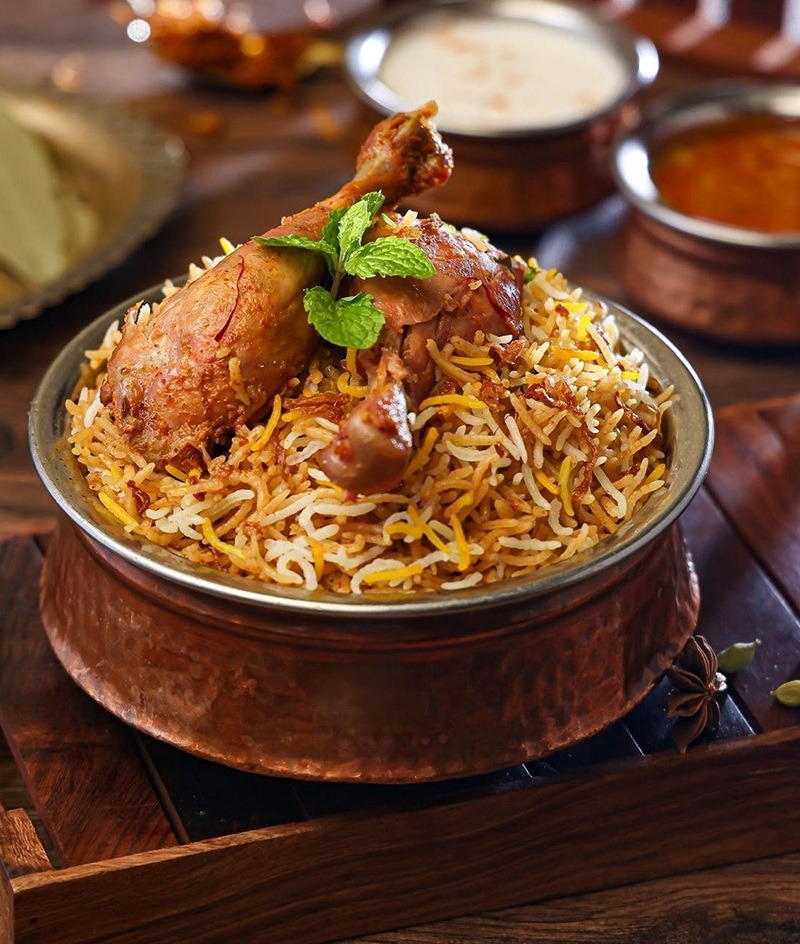
For an increasing number of travellers, food is no longer something that happens between sightseeing stops. It is the reason for the trip. People are planning journeys around regional cuisine, local markets, cooking classes and traditional food experiences.
And in India, every meal can become a history lesson. When an entire city becomes a celebration. India’s festivals offer another experience that is difficult to replicate elsewhere. During Holi, streets explode with colour. Diwali transforms homes and cities with light.
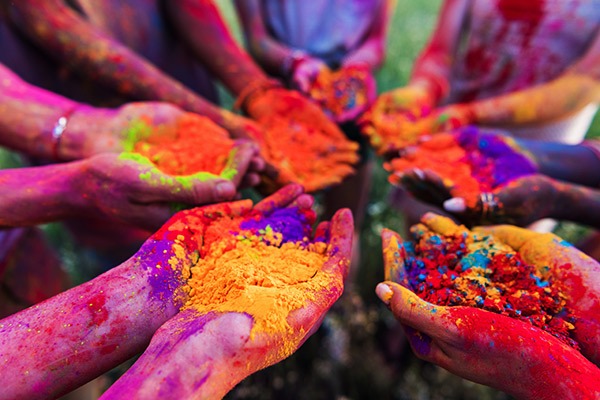
Durga Puja brings communities together in elaborate celebrations, while Ganesh Chaturthi fills streets with processions and music. Pongal and Baisakhi celebrate harvest traditions, while Rajasthan’s camel fairs and desert festivals bring another side of India’s cultural heritage to life.
These are not performances staged simply for tourists. They are living traditions. Visitors are invited to experience them from within rather than simply observe them from a distance. And that is precisely what modern travellers increasingly want.
The rise of experience tourism
Travel has changed. Many travellers today are less interested in simply ticking famous attractions off a list. They want experiences that feel personal, authentic and memorable. India is well placed for that kind of tourism.
Eco-tourism, rural stays, heritage walks, cycling tours, river cruises, plantation visits, tribal cultural experiences, luxury trains and culinary trails are giving travellers new ways to discover the country.
A restored haveli can become a hotel. A village can become a destination. A family recipe can become a culinary experience. A traditional craft can become something a visitor learns rather than simply buys. When local communities become active participants in tourism, the benefits can go beyond income. They can also help preserve architecture, crafts, traditions and ways of life that might otherwise disappear.
India’s most powerful tourism asset
There is an interesting thing about travelling in India. People often arrive with an itinerary. They leave with stories. They remember the unexpected conversation with a stranger. The meal they had never tasted before. The train journey. The festival they happened to witness. The village they had not planned to visit. The warmth of a family they met along the way.
That is why tourism has become more than an economic sector for India. It has become a form of soft diplomacy. Visitors experience the country directly through its people, food, culture, music and hospitality. And when they return home, they carry those experiences with them.
A speech can tell people about a country. A personal experience can make them remember it. The journey is changing, but the attraction remains. India’s tourism infrastructure is changing rapidly. Modern airports, improved highways, digital travel services, luxury hotels, heritage conservation and better connectivity are making more parts of the country accessible to travellers.
But India’s greatest tourism asset is not an airport, a hotel or even a monument. It is its diversity. Every few hundred kilometres, something changes the language, the food, the landscape, the architecture, the traditions and the stories.
That means no two journeys through India need to be the same. And perhaps that is the secret of India’s enduring appeal. A visitor may come looking for the Taj Mahal, the Himalayas, a beach or a palace. But somewhere along the way, they often discover an India they were never expecting.
And that discovery is what brings many of them back. India doesn’t simply give travellers places to see. It gives them stories to take home.