Health Minister opens Dasman Diabetes conference, stresses research and innovation
Kuwait steps up fight against diabetes with AI, early intervention and global partnerships
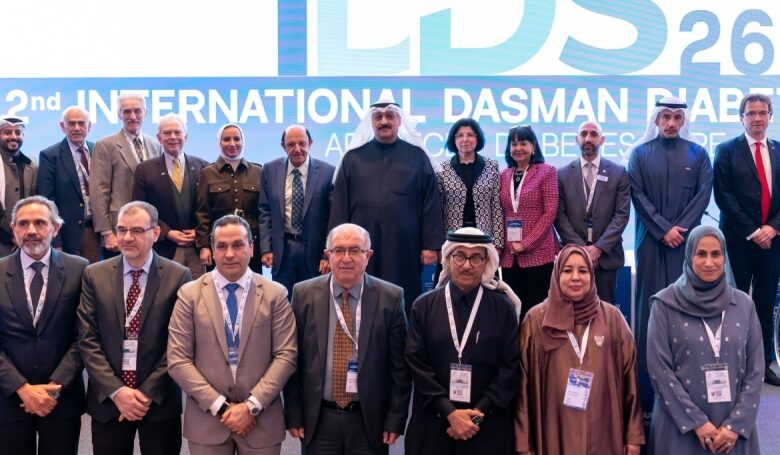
Minister of Health Dr. Ahmed Al-Awadhi reaffirmed Kuwait’s commitment to developing the healthcare system, strengthening preventive medicine, supporting scientific research and innovation, and expanding scientific partnerships with local and international institutions, in line with global best practices and with the patient at the center of the healthcare process.
The minister made the remarks in his opening address on Friday at the launch of the Second Dasman International Diabetes Conference (IDDS 2026), organized by the Dasman Diabetes Institute.
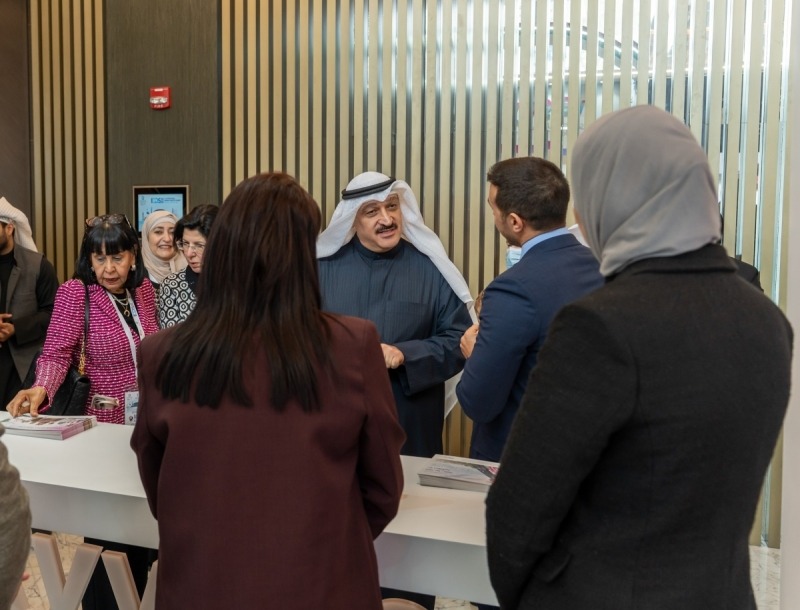
He said the second edition builds on the strong success of the first, confirming the conference’s scientific credibility and its role as an international platform that enhances understanding of diabetes, promotes prevention, and highlights the latest innovative treatments and effective strategies for managing complications, reports Al-Rai daily.
Al-Awadhi noted that this year’s conference features an integrated scientific program reflecting growing awareness of the scale of current challenges, including advanced diabetes treatments, early intervention, and the role of modern technologies such as artificial intelligence and smart medicine in improving the quality, efficiency and sustainability of healthcare.
He added that the program places special focus on managing complex complications, particularly diabetic foot, describing it as one of the most serious health challenges affecting patients’ quality of life.
The minister praised the Dasman Diabetes Institute as a leading national institution in research, education and training, commending its tangible contributions to developing scientific knowledge, raising the efficiency of healthcare professionals and improving the quality of services in this vital field.
In statements to reporters following the opening, Al-Awadhi said the participation of doctors and scientists from around the world and their direct engagement with patients would have a positive impact on improving healthcare services in Kuwait.
He also underlined the national vision to build a more efficient and sustainable health system, particularly through the application of new research and artificial intelligence technologies.
For his part, Dr. Faisal Al-Rifai, Acting Director of the Dasman Diabetes Institute, said the impact of the 2025 conference was evident in the quality of scientific discussions as well as the professional relationships and partnerships formed.
He explained that researchers gained new opportunities to develop their work, while physicians exchanged practical experiences that positively influenced patient care. “The level of communication and cooperation exceeded our expectations,” he said, adding that the 2026 edition builds on these foundations through specialized workshops, in-depth scientific sessions and the participation of a distinguished group of international experts.
Al-Rifai stressed that the conference’s growing stature reflects its focus on applied research, advanced medical practices and tangible impact on healthcare quality.
He also highlighted the importance of local partnerships, particularly with the Ministry of Health, describing them as a model for integrating scientific research, education and clinical application to improve national health outcomes.