- The EU is waking up to an energy crisis and asking people to reduce energy consumption, as fears of a supply crunch set in. Energy analysts are calling for concrete measures and a boost in investments for renewables.
The European Commission has called on more than 400 million Europeans to reduce travel, work remotely, and conserve energy as the war involving Iran enters its second month, triggering mounting concerns over energy security and economic stability across the bloc.
The appeal reflects growing urgency within European institutions as the conflict begins to disrupt global energy flows and drive up costs across multiple sectors.
German Chancellor Friedrich Merz warned that the economic fallout could rival the shocks experienced during the COVID-19 pandemic and the early stages of the Ukraine war, when Europe rapidly reduced its reliance on Russian energy, dw.com reports.
EU Energy Commissioner Dan Jorgensen urged citizens to cut fuel consumption, particularly diesel and jet fuel, following an emergency meeting of EU energy ministers in Brussels focused on safeguarding energy supplies.
He also called on Europeans to adopt practical measures recommended by the International Energy Agency, including increased use of public transport, car-sharing, and more efficient driving habits.
However, analysts caution that such measures may not be sufficient to shield the European economy from the broader consequences of the crisis.
Experts warn that the disruption will not only raise fuel prices but also hit industrial output, fuel inflation, weaken demand, and push food prices higher.
Energy analyst Ana Maria Jaller-Makarewicz said the full scale of the crisis has yet to be felt, predicting that its impact will become clearer in the coming weeks as supply pressures intensify.
She noted that liquefied natural gas shipments are already being diverted toward Asia, signaling intensifying competition between Europe and Asian markets for limited supplies.
The crisis has been exacerbated by disruptions in the Strait of Hormuz, a critical artery through which around 20% of global oil and gas shipments pass.
Since the outbreak of hostilities, oil and gas prices have surged by up to 70%, while maritime traffic through the strait has sharply declined due to security risks and military escalation.
European Commission President Ursula von der Leyen revealed that the first 10 days of the conflict alone added €3 billion to the EU’s fossil fuel import bill, highlighting the immediate financial strain on the bloc.
A report by the Bruegel warned that a doubling of gas prices could add up to €100 billion in additional import costs over the next year, further burdening economies already facing inflationary pressures.
Although the EU initially appeared less vulnerable—given that only about 8% of its LNG imports came via Qatar—prolonged disruptions are raising fears of supply shortages, especially if Asian buyers outbid European importers for available cargoes.
The EU has diversified its energy sources in recent years, increasing imports from the United States and Norway to replace Russian supplies. However, rising global competition is now putting that strategy under strain.
Reports indicate that several LNG shipments originally bound for Europe have already been redirected to Asia, tightening supply further.
Compounding the challenge is the EU’s planned phaseout of Russian LNG imports by 2027, which could further constrain supply options in the coming years.
Within Europe, debate is intensifying over how to respond. Some voices have called for restoring access to cheaper Russian energy, but EU officials have firmly rejected such proposals.
Instead, policymakers are considering alternatives such as targeted subsidies, market interventions, or support for energy-intensive industries including steel, cement, and fertilizers.
Industry groups have warned that the crisis could disrupt fertilizer supply chains, with potential knock-on effects for agriculture and food security across the continent.
The crisis is also expected to ripple through manufacturing sectors such as chemicals, plastics, aluminum, and glass, while the aviation industry faces rising fuel costs and declining demand.
Some experts caution against imposing price caps on energy, arguing that such measures could distort markets, increase consumption, and delay the transition to cleaner energy sources.
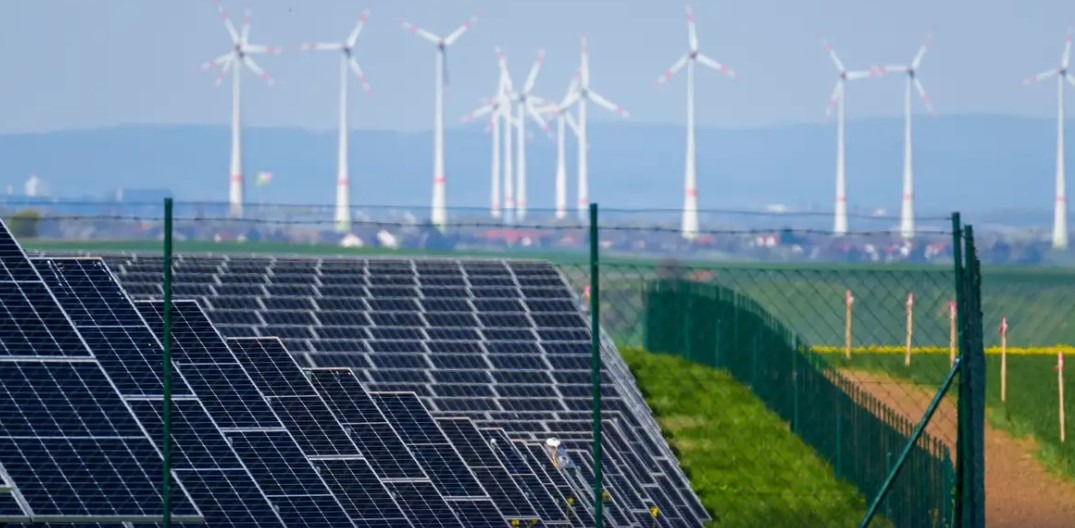
Others argue that the crisis presents an opportunity to accelerate investment in renewable energy and electrification technologies, reducing long-term dependence on fossil fuels.
Analysts suggest measures such as reducing heating in public buildings, limiting official travel, and investing in local green industries like heat pumps and electric vehicles.
The Bruegel report emphasized that the war has once again exposed Europe’s structural vulnerabilities in energy, urging faster deployment of renewable solutions.
Even if the conflict were to end soon, experts warn that recovery in supply chains would take time, particularly after damage to key infrastructure such as Qatar’s Ras Laffan gas facility.
Jorgensen stressed that the crisis is unlikely to be short-lived, noting that ongoing damage to regional energy infrastructure continues to threaten global supply stability.