European Union lawmakers have come to an agreement to strengthen the bloc’s supply of essential medicines and reduce its heavy dependence on pharmaceutical imports from outside Europe.
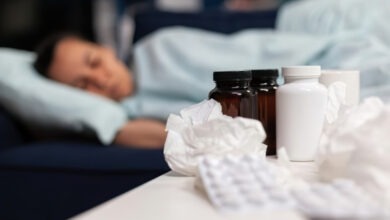
The decision comes amid growing concern over repeated shortages of critical drugs, including antibiotics, painkillers and children’s fever medications, which have disrupted pharmacies and hospitals across member states in recent years.
The agreement, reached by EU negotiators on Tuesday, is designed to reinforce Europe’s pharmaceutical resilience by encouraging local production of key medicines and their ingredients. It also seeks to reduce vulnerability in global supply chains, particularly after disruptions exposed during the COVID-19 pandemic, the dw.com reports.
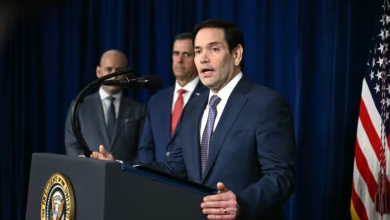
Announcing the deal, Cypriot Health Minister Neophytos Charalambides said the initiative represents a practical step toward ensuring citizens no longer face uncertainty when seeking essential treatments. He stressed that the reforms aim to guarantee stable access to medicines in pharmacies and hospitals across Europe.
A central feature of the new framework is the prioritization of medicines produced within the European Union in public procurement processes. This means governments will be encouraged to favor locally manufactured drugs when purchasing supplies for national health systems.
The rules also introduce the concept of “strategic projects,” which would receive accelerated regulatory approval and faster access to public funding. This is intended to stimulate investment in pharmaceutical manufacturing and strengthen domestic production capacity.
In addition, the agreement allows EU countries to jointly purchase essential medicines, particularly those used to treat rare diseases. Officials say this collective approach will help address gaps in the market where individual national demand is too small to attract sufficient supply.
The European Commission, which proposed the reform package in 2025, identified several structural weaknesses in the current system. These include supply bottlenecks in active pharmaceutical ingredients and over-reliance on a limited number of manufacturing hubs worldwide.
According to EU data, between 80% and 90% of medicines used in Europe are produced in Asia, particularly in China. This dependence has raised concerns about supply security, especially during periods of global disruption.
Despite the bloc employing around 900,000 people in its pharmaceutical sector, officials warn that production concentration outside Europe leaves the region exposed to shortages and price volatility.
EU leaders say the new measures are intended to build a more resilient and self-sufficient pharmaceutical system, ensuring that essential medicines remain consistently available and reducing the risk of future supply crises.