Electronic linkage project boosts Gulf customs integration, trade facilitation
Continued coordination with the Customs Union Authority and relevant GCC bodies to complete future phases of the project in accordance with approved plans, will achieve the strategic objectives of the GCC Customs Union and reinforce the region’s position as a leading hub for trade and logistics services.
- The project is among the strategic initiatives approved by the Customs Union Authority to enhance coordination and integration across member states.
- The electronic linkage represents a key step toward building an integrated digital customs system that enables the secure electronic exchange of customs declaration data and supporting documents.
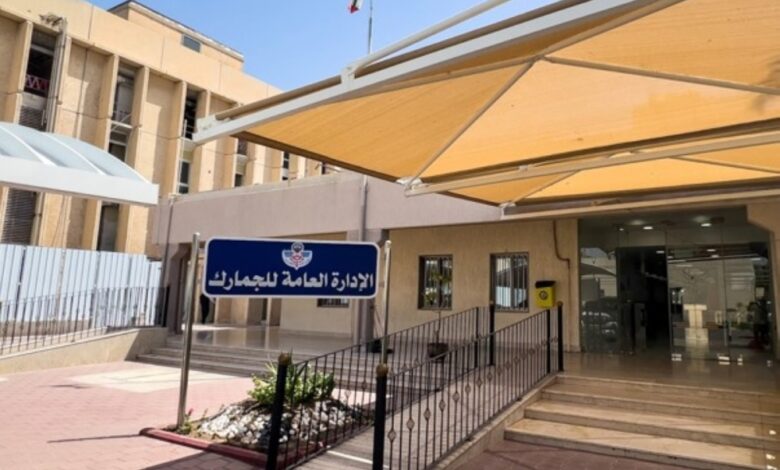
The General Administration of Customs announced on Friday the launch of the first phase of the electronic linkage project with the Customs Union Authority of the Gulf Cooperation Council (GCC), to enable the electronic exchange of customs declaration data and accompanying documents among GCC customs administrations.
In a press statement, the Customs Authority said the initiative forms part of ongoing efforts to strengthen the integration of Gulf customs and support the objectives of the GCC Customs Union through the unified Gulf network, reports Al-Jarida daily
The project is among the strategic initiatives approved by the Customs Union Authority to enhance coordination and integration across member states.
The Authority explained that the launch of this phase reflects its commitment to modernizing the customs work system and strengthening institutional cooperation with counterpart agencies in GCC countries.
The project is expected to contribute to unifying customs procedures, facilitating intra-Gulf trade, and achieving higher levels of efficiency and operational readiness, in line with the regulatory frameworks of the GCC Customs Union.
The electronic linkage represents a key step toward building an integrated digital customs system that enables the secure electronic exchange of customs declaration data and supporting documents.
This will enhance auditing procedures, facilitate clearance at first points of entry, reduce shipment processing times, improve supply chain efficiency, and raise the quality of services provided to business partners.
According to the statement, the project will also enhance coordination among GCC customs administrations and improve the accuracy and reliability of exchanged data. This supports risk management, strengthens customs control, protects national economies, and ensures compliance with applicable laws and regulations.
The initiative aligns with the comprehensive digital transformation strategy adopted by the General Administration of Customs, which focuses on adopting advanced technologies, applying international best practices, reducing paper-based procedures, enhancing governance and transparency, and improving overall operational efficiency and institutional sustainability.
The Authority emphasized that electronic linkage with the Customs Union Authority is a cornerstone of efforts to unify customs procedures across GCC countries.
It facilitates the smooth flow of goods through customs ports, supports legitimate trade, and enhances the commercial and investment environment, thereby strengthening the competitiveness of GCC economies at both regional and international levels.
Continued coordination with the Customs Union Authority and relevant GCC bodies to complete future phases of the project in accordance with approved plans, will achieve the strategic objectives of the GCC Customs Union and reinforce the region’s position as a leading hub for trade and logistics services.