Eco-friendly ways to celebrate the Festival of Lights
Diwali, the Festival of Light, which is celebrated across India and in countries around the world where Indian communities live and work, is traditionally held over a five-day period. Religious rituals are undertaken and social gatherings are held, as families gather together to celebrate the Diwali festival.
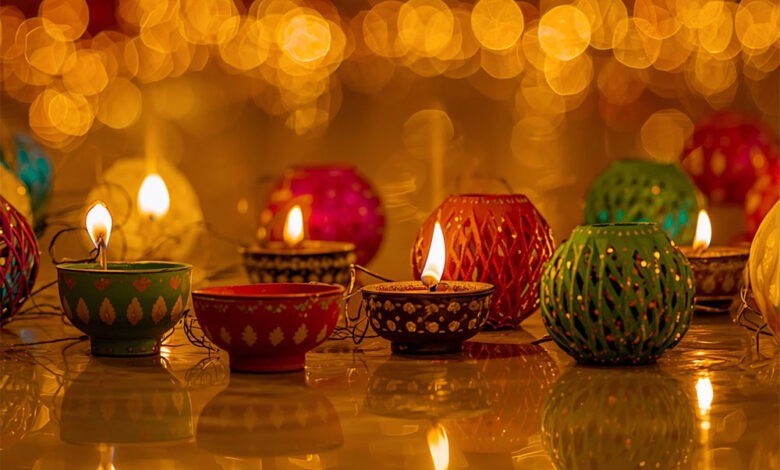
Diwali, the Festival of Light, which is celebrated across India and in countries around the world where Indian communities live and work, is traditionally held over a five-day period. Religious rituals are undertaken and social gatherings are held, as families gather together to celebrate the Diwali festival.
The solemn prayers and rituals that mark the days leading up to, and on Diwali morning, takes on a fun and festive mood as the sun goes down on Diwali day. In the evening, homes get brightly lit with the traditional oil lamps lighting the interior and exterior, celebrants engage in songs and dances and the air gets rent with the sound of crackers as the sky lights up in myriad colors from fireworks going off everywhere.
As usual, many people are preparing to welcome the festival of lights with unbridled abandon, singing, dancing, dining and ending the festivities with fireworks and loud bangs of bursting crackers.
Fireworks and firecrackers, a hallmark long associated with Diwali celebrations, is now also linked to an increase in noise and air pollution. With several Indian cities having the unenviable reputation of poor air-quality through much of the year, environmental activists and many citizens in these places and in other cities are calling for a ban on fireworks during Diwali.
They point out that at a time when the world is engaged in combating the existential threat of climate change, we all have a responsibility to play a role and contribute to helping reduce our individual carbon footprint on the planet. This includes celebrating a greener, more eco-friendly Diwali.
Nonetheless, if you are still inclined to mark the festival of light with ‘sound and fury’, especially under compulsion of the kids, opt for eco-friendly versions. These ‘green’ crackers, a concept designed by the Indian National Environmental Engineering Research Institute, use recycled paper and do not contain harmful chemicals, especially barium nitrate that produces much of the heavy smoke and emissions. The sound produced from these crackers are also less than the 160 decibels of more associated with traditional crackers and is as per the defined limits of the Noise Pollution Control Board.
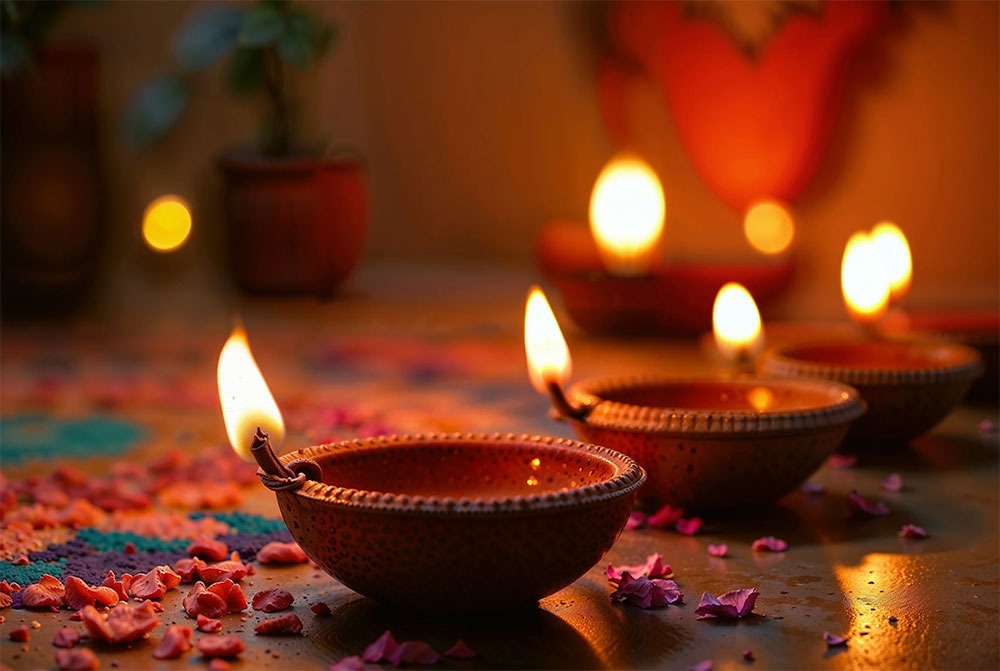
Some other eco-friendly options that you could introduce in your home this Diwali and help reduce your carbon footprint on the planet include lighting up the home and yard with small earthen lamps called diyas, in place of the electric bulbs that are now in vogue. Though earthen lamps need oil for illumination, the pollution is negligible and electricity consumption is nil.
Substituting candles and electric diyas with the good old earthen oil-diyas that are made from clay and other ‘green’ materials also helps in conservation as they can be used many times over. Remember, the candle diyas now popular can be used only once and are petroleum based. They also release toxins while burning which affects air quality.
Decorate the entrance floor with colorful patterns (rangolis) using natural dyes in place of chemical colors. Instead of the artificial rangoli color powders that are readily available in the market, make a rangoli out of fresh flowers or make the floor designs with traditional and natural ingredients, such as rice paste or dry rice flour. Also, use energy conserving LED and CFT lamps instead of incandescent bulbs inside homes.
Employ your creativity to design handcrafted decorative door hangings (torans) including using bright and colorful dupattas and sarees, rather than the plasticky choices available now, are definitely better options to celebrating this festival of light in an eco-friendly manner.
Here are a few more ways to go green this Diwali without dimming the brilliance and glitter of the festival in any significant way.
Green alternatives to crackers: Use colored balloons in festive colors of red, yellow, green and orange, and fill them with glitter and small bits of colored paper. Burst the balloons and dance in the glitter rain with your family and friends. It may not have the bang of traditional fireworks but it also leaves no environmental damage.
Reduce use of plastic bags: When exchanging gifts make sure not to pack them in plastic backed gift wrappings or carry them in plastic gift bags, instead use your creativity to come up with natural wrapping and present the gifts in cloth bags.
Make sweets at home: Spend a little extra time in the kitchen before the festivities start and make the sweets and other delicacies at home. Share them with your neighbors and friends in steel and glass plates. It may be more convenient to just buy them from the sweet shop next door, but think about the wasteful packaging that comes with it and the artificial colors and dressings used on them.