The Times Kuwait Report
Diwali, the Festival of Lights, continues to illuminate lives across the world, bringing together communities through a shared message of hope, renewal and the triumph of good over evil. From the vibrant streets of India to homes and public spaces across the globe, the festival has evolved beyond its traditional boundaries, becoming a celebration of cultural heritage, family bonds and universal human values.
Rooted in Hindu traditions, Diwali, also known as Deepavali, symbolizes the victory of light over darkness and knowledge over ignorance. Its message of kindness, compassion and unity resonates across cultures, making it one of the most widely celebrated festivals worldwide.
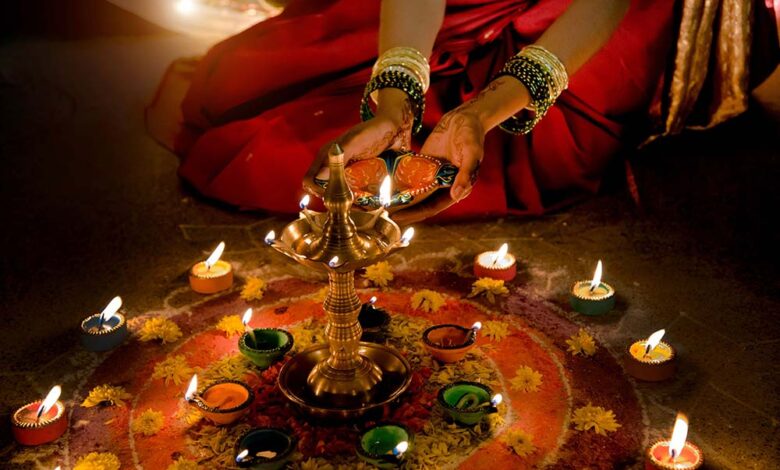
In India, the festival transforms cities and villages into colourful displays of lights and decorations. Families illuminate their homes with traditional oil lamps, create intricate rangoli designs and gather for prayers, festive meals and the exchange of sweets and gifts. Prayers to Goddess Lakshmi, associated with wealth and prosperity, form an important part of the celebrations.
The festival is equally significant across South Asia, where local traditions reflect its rich cultural diversity. In Nepal, Diwali is celebrated as Tihar, a five-day festival honouring deities, animals and birds. In Sri Lanka, members of the Tamil community mark the occasion through temple rituals, family gatherings and the lighting of lamps, symbolizing the victory of good over evil.
Beyond the Indian subcontinent, Diwali has become an important cultural celebration in countries with significant Indian communities. In Trinidad and Tobago and Guyana, the festival reflects the enduring cultural heritage of generations of Indian-origin communities. Singapore and Malaysia welcome the occasion with illuminated streets, festive markets and cultural performances, highlighting the harmony of their multicultural societies.
Mauritius and Fiji, where Indian traditions have become an integral part of national life, also celebrate Diwali with enthusiasm. Families decorate their homes, exchange sweets and participate in community gatherings, with the festival serving as a reminder of the values of peace, togetherness and mutual respect.
In Western countries, including the United Kingdom, the United States, Canada and Australia, Diwali has grown into a major cultural event. Public celebrations, temple gatherings and spectacular light displays attract people from diverse backgrounds, offering opportunities to experience Indian traditions and celebrate cultural inclusion.
Across these different settings, the festival retains its central message: that light can overcome darkness, goodness can triumph over evil, and hope can emerge even in challenging times.
For millions of people, Diwali is an occasion to strengthen family ties, renew spiritual commitments and reflect on the importance of generosity and compassion. Its celebrations also provide an opportunity for communities to share their traditions, fostering understanding and appreciation across cultural and religious boundaries.
As the festival continues to reach new audiences around the world, its significance extends beyond the lamps, decorations and festivities. Diwali serves as a reminder that the values of kindness, love, harmony and the triumph of good are universal, transcending borders and bringing people together in the spirit of shared humanity.