- Nepal Prime Minister Balendra Shah has urged international action on climate change, warning that rising climate risks are increasingly threatening the Himalayan region.
- Prime minister’s appeal underscores the need for sustained international attention to the climate pressures confronting one of the world’s most environmentally sensitive regions.
- The reported death toll has risen above 1,000, while thousands of people remain missing. The scale of damage has also raised concerns about the financial burden of recovery and reconstruction that could cost billions of dollars.
- For Nepal and other Himalayan nations, the challenge is not only responding to individual disasters but also preparing for a changing environment.
Nepal has called for stronger international action on climate change as rising temperatures and environmental changes increase the risks facing communities across the Himalayan region.
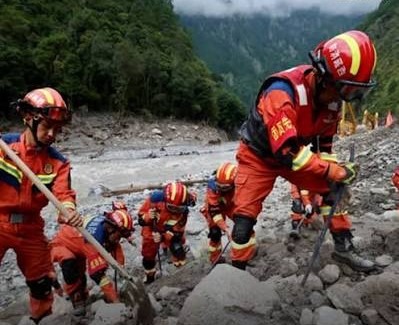
Prime Minister Balendra Shah said the recent disaster along the Buti Koshi River in Rasuwa district should be viewed against the wider backdrop of growing climate-related threats confronting the Himalayas.
In a social media post, Shah said the event was not an ordinary natural disaster and described it as one of the major disasters to affect the region. He stressed that the scale of the risks facing the Himalayan region is increasing alongside climate change and called for continued vigilance across the region, warning that Himalayan countries must remain prepared as climate-related risks intensify.
“It is time for us to strongly raise the issue of the disasters we are experiencing as a result of climate change before the international community,” Shah said, urging greater global attention to the challenges facing the region.
His remarks highlight the growing international concern over the impact of climate change on the Himalayas, a region that is particularly vulnerable to changes in temperature and weather patterns.
The Himalayas are home to some of the world’s highest peaks and contain extensive glaciers that are experiencing accelerated melting as global temperatures rise, according to scientists. Changes in the Himalayan environment have implications far beyond Nepal.
The mountain range is a major source of freshwater for millions of people across South Asia, making its changing climate conditions a regional and international concern. For Nepal, the increasing risks also raise questions about disaster preparedness, infrastructure resilience and the resources required to protect communities in vulnerable mountain areas.
Shah’s appeal comes as Nepal faces the aftermath of a disaster that has caused significant loss of life and widespread disruption. The reported death toll has risen above 1,000, while thousands of people remain missing. The scale of the damage has also raised concerns about the financial burden of recovery and reconstruction. Kathmandu has warned that rebuilding could cost billions of dollars.
Nepal’s call for international action reflects a broader demand from climate-vulnerable countries for greater global attention to the consequences of a warming planet, particularly in regions where environmental changes can have far-reaching effects.
The Himalayan region is increasingly at the centre of discussions about climate resilience, as rising temperatures affect glaciers, water systems and communities dependent on the mountain environment.
Shah’s message therefore goes beyond the immediate disaster, placing Nepal’s experience within the wider global climate debate. He urged the international community to recognise the growing risks and strengthen efforts to address the consequences of climate change.
For Nepal and other Himalayan nations, the challenge is not only responding to individual disasters but also preparing for a changing environment. The prime minister’s appeal underscores the need for sustained international attention to the climate pressures confronting one of the world’s most environmentally sensitive regions.